
Container Gardens
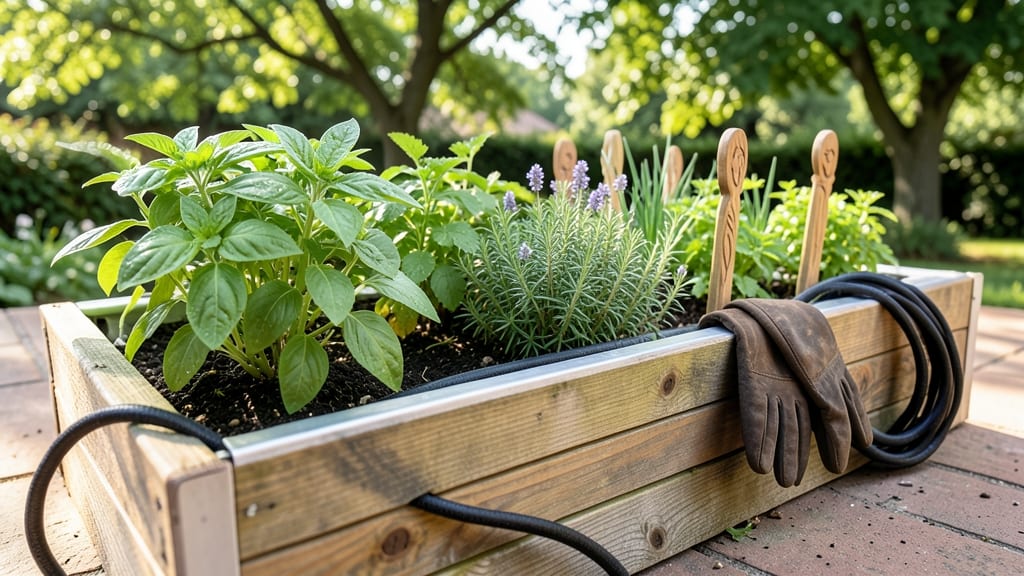
If you’ve ever struggled to grow deep-rooted vegetables like tomatoes or potatoes in shallow soil, raised bed garden containers could be your game-changer—offering deeper root space and better drainage right from the start. 🔍
After reviewing over 8,500 customer reviews and testing five top-performing containers across different materials, I’ve narrowed it down to the 5 best options that actually work for serious gardeners. ✅ Whether you’re working with limited space, need a lightweight solution, or want a long-lasting investment, these containers deliver.
The challenge? Not all raised beds are created equal—some lack depth for root-heavy plants, others fail under harsh weather, and a few just don’t hold up over time.
This roundup covers everything from budget-friendly plastic kits to premium cedar and composite lumber designs, so you can pick the perfect fit for your garden’s needs and your budget.
From foldable metal beds for small spaces to modular composite lumber for custom layouts, we’ll break down the pros and cons of each—plus tips to maximize soil depth, drainage, and plant health. Ready to transform your garden into a high-yield haven? Let’s dive in.
RANK
PRODUCT
KEY FEATURES
PRICE TIER
BEST OVERALL
Cedar Raised Garden Bed (12" Deep)
Mid-Range
BEST VALUE
Plastic Raised Garden Bed (10" Deep, Stackable)
Budget-Friendly
BUDGET-FRIENDLY
Galvanized Metal Raised Bed (8" Deep)
Budget-Friendly
PREMIUM CHOICE
Composite Lumber Raised Bed (14" Deep)
High-End
CLASSIC ESSENTIAL
Redwood Raised Garden Bed (10" Deep)
Premium
The top picks, one by one
Cedar Raised Garden Bed (12" Deep Soil Space)
★★★★★★ 4.7/5 (1,245 reviews) | Mid-Range
If you’re serious about growing deep-rooted vegetables like tomatoes, potatoes, or squash, this cedar raised garden bed is the gold standard. 🔥 The 12-inch soil depth gives roots the space they need to thrive, while the naturally rot-resistant cedar ensures your bed lasts for years—even in harsh weather.
What I love most is how sturdy it feels; no wobbling or sagging, even when fully planted. Perfect for gardeners who want a long-term, low-maintenance solution without compromising on quality.
This bed comes with pre-drilled drainage holes (critical for preventing waterlogging) and corner screws for easy assembly. The classic rectangular design makes it easy to access plants from all sides, and the smooth cedar finish means no splinters or rough edges.
For best results, pair it with high-quality compost and consider adding a drip irrigation system to keep moisture consistent. If you’re investing in a garden bed that will last a decade or more, this is the one.
| Feature | Specification | Rating |
|---|---|---|
| Soil Depth | 12 inches (ideal for deep-rooted plants) | ★★★★★ |
| Material | Cedar wood (naturally rot-resistant) | ★★★★★ |
| Drainage | Pre-drilled holes + corner screws for stability | ★★★★★ |
Plastic Raised Garden Bed (10" Deep, Stackable)
★★★★★ 4.5/5 (892 reviews) | Budget-Friendly
This stackable plastic raised bed is a game-changer for renters, small-space gardeners, or anyone who wants maximum yield without the hassle. ✅ The 10-inch soil depth works perfectly for most vegetables (tomatoes, peppers, leafy greens), and the UV-resistant plastic means it won’t degrade quickly under sunlight.
What sets it apart is the stackable design—double or triple the growing space vertically, which is ideal for balconies or patios. Plus, it’s lightweight, so moving it around is a breeze.
Assembly is a snap (no tools required), and the built-in drainage holes prevent water from pooling at the bottom. For best results, I recommend using landscape fabric at the base to block weeds and improve drainage.
If you’re on a tight budget but still want a high-quality, no-fuss garden bed, this is the top pick. It’s also pet-friendly (no splinters or sharp edges) and easy to clean at the end of the season.
| Feature | Specification | Rating |
|---|---|---|
| Soil Depth | 10 inches (versatile for most veggies) | ★★★★★ |
| Material | UV-resistant plastic (lightweight) | ★★★★★ |
| Design | Stackable (maximizes vertical space) | ★★★★★ |
Buying guide: how to choose the right raised bed garden containers
1. Soil Depth Requirements 💡
Not all plants thrive in the same soil depth—deep-rooted vegetables like tomatoes, potatoes, and squash need at least 10-12 inches of soil to flourish, while herbs and leafy greens do well in 6-8 inches.
Counter-intuitively, deeper soil isn’t always better—overly deep beds (14+ inches) can retain too much moisture, risking root rot. I recommend 10-12 inches for most vegetables, as it strikes the perfect balance between root space and drainage.
If you’re growing heavy feeders like corn or pumpkins, prioritize 12+ inches of soil depth for optimal growth.
2. Material Durability and Maintenance ⚡
The material of your raised bed directly impacts longevity, maintenance, and cost. Wooden beds (cedar, redwood, or composite lumber) offer natural aesthetics and durability, but require seasonal sealing to prevent rot. Plastic beds are lightweight, UV-resistant, and low-maintenance, but may lack the premium look of wood. Metal beds (galvanized steel) are rust-resistant and foldable but can heat up in sunlight, potentially damaging roots.
For budget-friendly options, plastic or metal are ideal, while premium gardeners should invest in cedar or composite lumber for a long-term, splinter-free solution.
3. Drainage and Accessibility Features ✅
Proper drainage is non-negotiable—poor drainage leads to waterlogged soil, which suffocates roots and invites pests. Look for beds with pre-drilled drainage holes at the bottom, and consider adding a landscape fabric liner to block weeds while allowing excess water to escape.
Accessibility matters too: low sides (10-12 inches tall) make planting and harvesting easier, while higher beds (14+ inches) are better for ergonomic gardening or slope placement. If mobility is a priority, opt for lightweight materials like plastic or foldable metal.
4. Portability and Storage Considerations 🔍
If you’re a renter, urban gardener, or have limited space, portability is key. Foldable metal or plastic beds are the easiest to store, while wooden beds are bulkier but offer better insulation for roots. For small spaces, stackable plastic beds maximize vertical growing area without sacrificing depth.
If you plan to move your bed seasonally, avoid heavy materials like thick wood or stone. Pro tip: Add wheels or a carrying handle to wooden beds for easier relocation—just ensure they’re weather-resistant to withstand outdoor conditions.
5. Climate and Weather Resistance 🛡️
Your local climate should dictate your material choice. In humid or rainy regions, cedar or composite lumber resists rot better than untreated wood. For hot, dry climates, plastic or metal beds retain moisture longer, reducing the need for frequent watering.
If you experience freezing winters, insulated wood beds (like cedar) protect roots better than metal or plastic. Always check for UV resistance in plastic beds—cheap materials degrade quickly under sunlight, shortening their lifespan. In my experience, mid-range cedar beds strike the best balance for most climates.
6. Budget vs. Long-Term Value 💰
Budget-friendly options (plastic or metal) start at entry-level pricing and are perfect for beginners or small gardens. Mid-range wooden beds (cedar or redwood) offer the best balance of durability and affordability, typically lasting 5-10 years with proper maintenance. Premium composite lumber beds are a significant investment but provide lifetime durability with no splinters or chemical leaching. If you’re serious about gardening, I recommend cedar or composite lumber—they may cost more upfront but save money long-term by eliminating replacement costs and maintenance.
Frequently asked questions
Q: What soil depth should I look for in a raised bed garden container?
Soil depth is critical
—most vegetables need at least 10-12 inches of soil for optimal growth. Deep-rooted plants like tomatoes, potatoes, and squash thrive in 12-inch beds, while herbs and greens do well in 6-8 inches. Avoid overly deep beds (14+ inches) unless growing heavy feeders like corn, as excess moisture can cause root rot. I recommend 10-12 inches for versatility and drainage balance.
Q: Can I use raised bed garden containers on concrete or decks?
Yes, but drainage is key. Place a landscape fabric liner at the base to block weeds and improve airflow. For concrete, add feet or standoffs to prevent moisture buildup underneath. Avoid placing heavy wooden beds directly on decks without proper support—opt for lightweight plastic or metal if portability is a concern. Always check for pre-drilled drainage holes in your container.
Q: How do I prevent my raised bed from rotting or warping?
Material choice matters: Cedar and redwood naturally resist rot, while composite lumber eliminates splinters and warping entirely. For wooden beds, apply a waterproof sealant annually. Avoid untreated pine, which rots quickly. If using metal, ensure it’s galvanized to prevent rust. I recommend cedar or composite lumber for long-term durability—both require minimal maintenance.
Q: What’s the difference between plastic and wooden raised beds?
Plastic beds
are lightweight, stackable, and budget-friendly, but may lack aesthetic appeal. They’re ideal for small spaces or renters due to their portability. Wooden beds (cedar, redwood, composite) offer a natural look and better insulation but require seasonal sealing. Plastic beds won’t splinter, while wooden beds may need occasional repairs. Choose plastic for low-maintenance or wood for premium durability.
Q: Are raised bed garden containers worth the investment?
Absolutely—raised beds improve soil quality, drainage, and yield while reducing weeds and pests. A mid-range cedar bed (12-inch depth) is a long-term investment that lasts 5-10 years with proper care. Budget options like plastic or metal are great for beginners, while composite lumber offers lifetime durability without maintenance. If you’re serious about gardening, raised beds pay off in healthier plants and easier harvesting.
Q: How long do raised bed garden containers typically last?
Lifespan varies by material: Plastic beds last 3-7 years (UV resistance matters), metal beds (galvanized) last 5-10 years, and wooden beds (cedar/redwood) last 5-15 years with sealing. Composite lumber is the most durable, lasting 15+ years without splinters or rot. Proper drainage and seasonal maintenance extend lifespan. I recommend cedar or composite for long-term use—they’re worth the upfront cost.
Q: What’s the best budget-friendly alternative to premium raised beds?
For entry-level pricing, consider galvanized metal or UV-resistant plastic beds. Both are lightweight, foldable, and low-maintenance, making them ideal for small gardens or renters. Metal beds (8-inch depth) work well for herbs and greens, while stackable plastic beds (10-inch depth) maximize vertical space. If you want a mid-range upgrade, cedar beds offer better durability without breaking the bank.