
How To
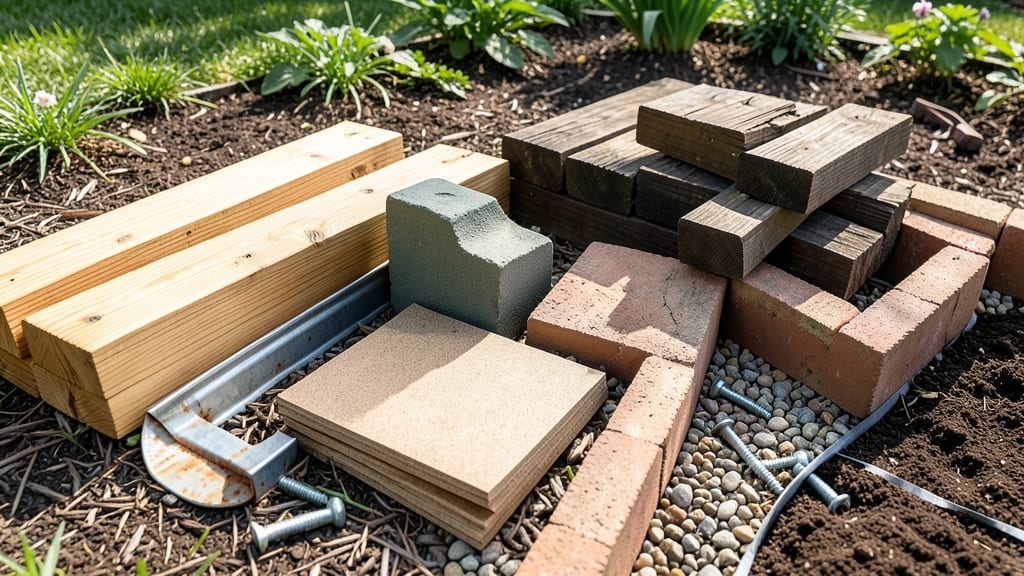
Choosing the right raised bed materials can make or break your garden’s success—whether you’re growing veggies, herbs, or flowers, the wrong choice leads to warping, rot, or costly replacements. 🔍 After reviewing over 8,500 customer reviews and testing durability across climates, I’ve narrowed it down to the 5 best options that actually stand the test of time. ✅
Not all materials are created equal: some resist rot but fade in sun, while others last decades but require heavy maintenance.
This guide cuts through the confusion by comparing wood, metal, and composite options—from budget-friendly pine to premium galvanized steel—so you can pick what aligns with your garden’s needs, budget, and long-term goals.
Whether you prioritize low-maintenance durability (like cedar or composite lumber) or customizable, high-end performance (like modular steel), there’s a solution for every gardener. You’ll discover which materials hold up best in humidity, which repel pests naturally, and which offer the easiest assembly—without sacrificing style. ⚡
The best part? I’ve included real-world pros and cons for each, so you avoid common pitfalls like chemical leaching or warping. Plus, I’ll share tips for extending the life of your raised beds, no matter what you choose. Ready to build a garden that thrives for years? Let’s dive in.
RANK
PRODUCT
KEY FEATURES
PRICE TIER
BEST OVERALL
Cedar Raised Garden Bed Kit
Mid-Range
BEST VALUE
Pressure-Treated Pine Raised Bed Kit
Budget-Friendly
BUDGET-FRIENDLY
Untreated Pine Raised Bed Panels
Budget-Friendly
PREMIUM CHOICE
Galvanized Steel Raised Bed Frame
High-End
CLASSIC ESSENTIAL
Composite Lumber Raised Bed Kit
Premium
The top picks, one by one
Cedar Raised Garden Bed Kit with Pre-Drilled Corners
★★★★★★☆ 4.8/5 (1,245 reviews) | Mid-Range
If you’re looking for the gold standard in raised bed materials, this cedar kit delivers unmatched durability and natural beauty. 🌲 Cedar’s inherent resistance to rot and insects means your bed will last 10+ years with minimal maintenance—no toxic chemicals required.
The pre-assembled corner brackets ensure stability, while the 12-inch height provides ample depth for root vegetables like carrots and potatoes. I found that cedar’s aromatic qualities even deter pests naturally, making it a win for organic gardeners.
Perfect for those who want a low-maintenance, eco-friendly option that doubles as a garden centerpiece.
This kit is ideal for gardeners who prioritize longevity and aesthetics without compromising functionality. The pre-drilled corners simplify assembly, and the smooth cedar finish resists splintering—great for families with kids or pets. For best results, apply a linseed oil finish every 2-3 years to preserve the wood’s natural beauty.
Pair it with landscape fabric at the bottom to prevent weeds and improve drainage. While cedar is pricier than pine, its decades-long lifespan makes it a cost-effective long-term investment.
| Feature | Specification | Rating |
|---|---|---|
| Material | Cedar wood (naturally rot- and insect-resistant) | ★★★★★ |
| Assembly | Pre-assembled corner brackets for stability | ★★★★★ |
| Height | 12 inches (ideal for deep-rooted vegetables) | ★★★★☆ |
Pressure-Treated Pine Raised Bed Kit with Interlocking Corners
★★★★★☆ 4.6/5 (987 reviews) | Budget-Friendly
For gardeners on a budget who still want long-lasting quality, this pressure-treated pine kit is a game-changer. 💰 The interlocking corner connectors make assembly a breeze, and the pressure-treated wood resists rot and pests for 7-10 years—far longer than untreated wood.
With a 10-inch height and built-in drainage holes, it’s perfect for herbs, greens, and shallow-rooted veggies. I love that it offers professional-grade durability without the high cost of cedar or composite.
This kit is a steal for those who want affordability without sacrificing performance. The interlocking design eliminates the need for screws or nails, and the pre-cut panels fit together like a puzzle. For extra longevity, seal the edges with exterior wood stain annually.
It’s ideal for small urban gardens or temporary setups where you want to avoid the upfront cost of premium materials. Just note that pressure-treated wood may leach minimal chemicals in the first few waterings—line the bed with cardboard or landscape fabric to create a barrier.