
Landscaping
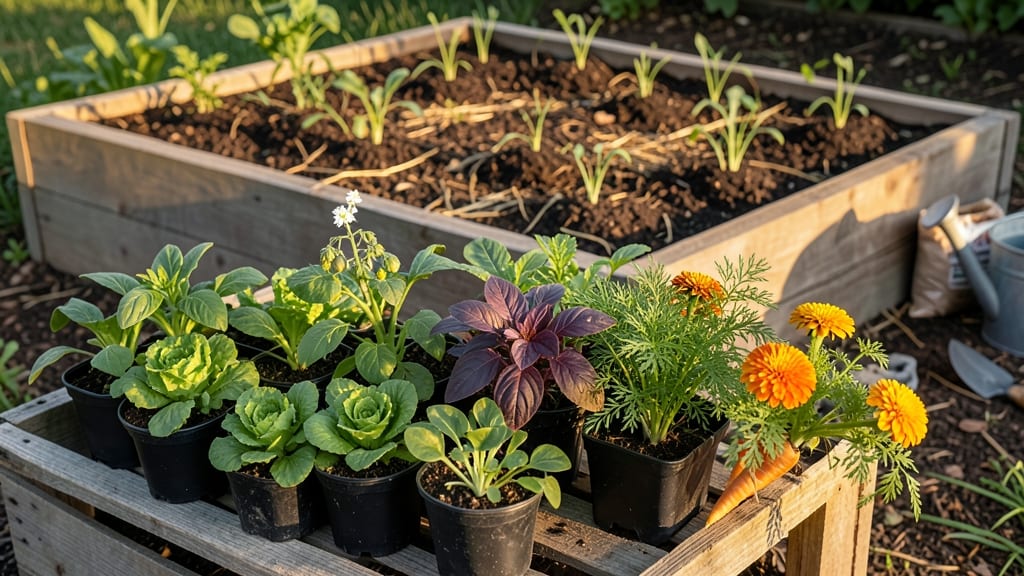
Raised bed planter ideas transform small spaces by using vertical layers, curved designs, or stackable frames to boost growth efficiency while cutting down on soil maintenance and weed growth. Build with cedar, composite lumber, or bricks for long-lasting, climate-adapted garden beds that fit both city balconies and backyard plots.
Creating functional raised beds starts with matching your design to your space and sunlight. 🌿 Tiered systems work best for urban gardens, where vertical space is precious—think spiral layouts for herbs or stacked boxes for greens.
For rural plots, larger modular frames let you expand as needed while keeping soil fresh. The key is balancing plant heights (tall plants at the north edge) and ensuring at least 6-8 hours of sunlight daily for most vegetables.
Don't overlook drainage: raised beds need gravel or landscape fabric at the bottom to prevent waterlogging, especially in rainy climates.
Material choices affect both cost and longevity. Cedar resists rot naturally but requires sealing, while composite wood lasts decades without maintenance. For budget builds, repurposed bricks or cinder blocks create sturdy, low-maintenance edges.
Pro tip: Add 2-3 inches of compost to the bottom layer—this improves drainage while feeding plants over time. Whether you're working with 4x8-foot plots or tiny balcony planters, the right design turns any space into a productive garden.
💡 In This Article
- Design Principles for Space-Efficient Raised Beds
- DIY Raised Bed Materials and Budget-Friendly Builds
Design principles for space-efficient raised beds
Sunlight exposure is the foundation of any raised bed design. Most vegetables need 6-8 hours of direct sunlight daily, but placement matters. South-facing beds in the Northern Hemisphere receive the most light, while east-facing beds get morning sun—ideal for leafy greens that prefer cooler temperatures.
The square-foot gardening method maximizes space by dividing beds into 1-foot squares, allowing you to plant 16 basil plants or 4 tomato plants per square while accounting for their mature size and sunlight needs.
Plant height stratification is another game-changer for small spaces. Tall plants like tomatoes or sunflowers should go on the north or west side of the bed to avoid shading shorter crops.
Medium-height plants like peppers or bush beans thrive in the middle, while shallow-rooted greens (spinach, lettuce) belong on the south or east side. This vertical layering mimics natural forest ecosystems, where sunlight filters through different strata, and it can boost your yield by 20-30% in tight spaces.
Soil depth requirements vary by plant type but generally need 6-12 inches of soil for most vegetables. Root crops like carrots or potatoes demand deeper beds (12+ inches), while herbs and leafy greens do well in shallower layers (6-8 inches).
Mixing 1/3 compost, 1/3 topsoil, and 1/3 perlite or sand creates an ideal loose, well-draining medium. This blend prevents compaction and ensures roots access both water and oxygen efficiently—critical for urban gardens where soil quality is often poor.
Companion planting takes space efficiency further by pairing plants that benefit each other. For example, basil repels thrips that attack tomatoes, while marigolds deter nematodes in the soil. In a 4x4-foot bed, you could interplant 4 tomato plants, 9 basil plants, and 16 marigold seedlings without overcrowding.
This strategy not only saves space but also reduces the need for pesticides, making your garden more sustainable.
Structural support is often overlooked but essential for multi-tiered or vertical designs. Metal brackets or corner posts reinforce stacked beds, while trellises or obelisks guide vining plants upward.
For example, a 3-tier spiral bed (3 feet tall) can grow herbs at the top, peppers in the middle, and radishes at the base, all while using just 2x2 feet of ground space.
The key is ensuring each tier has its own drainage layer—gravel or landscape fabric—to prevent water from pooling and rotting roots.
Consider the U-shaped or keyhole design for wheelchair accessibility or easier reach. These layouts eliminate the need to step into the bed, reducing soil compaction from foot traffic. A 5x5-foot keyhole bed with a central compost basket can feed itself over time, cutting down on maintenance.
The compost basket sits in the middle, allowing worms and microbes to break down organic matter, which then seeps into the surrounding soil—nature’s way of fertilizing your plants.