
Pruning
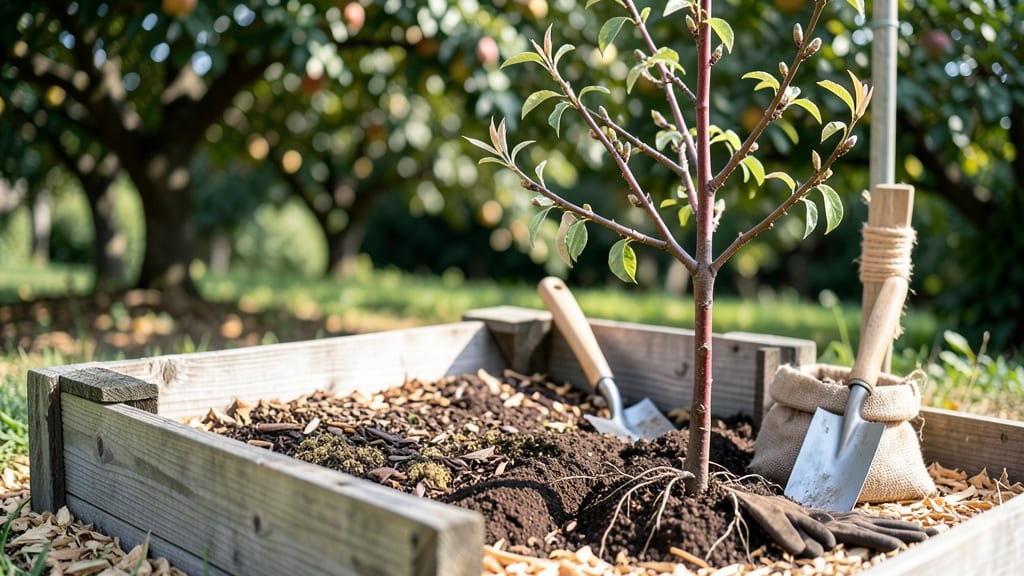
Planting trees in raised beds lets you grow full-sized specimens where ground space is tight—my dwarf Japanese maple thrives in a 3-foot-wide bed that would never work in the ground.
The key isn't just choosing the right tree (more on that later), but creating a root environment that mimics natural soil depth while preventing common pitfalls like waterlogging or root bind.
Most gardeners assume trees need deep soil, but raised beds actually work best with 18-24 inches of depth—enough for root systems of smaller species while keeping the bed manageable to build.
I learned this the hard way with my first attempt: a 36-inch-deep bed for a fruit tree became a maintenance nightmare. Start with a minimum 12-inch depth for dwarf varieties and scale up only if needed.
What you end up with is a tree that grows faster than expected because the soil warms quicker in raised beds, and you avoid the root competition that stunts trees planted too close together.
The right species—like columnar apples, ornamental cherries, or dwarf citrus—produce full-sized fruit or foliage in a fraction of the space. For best results, plant in early spring when roots can establish before summer heat, and avoid species that naturally grow over 20 feet tall unless you're committed to pruning.
The payoff? Trees that outperform their ground-planted cousins in small yards and urban spaces.
📚 In This Guide
- What you need
- Instructions
- Tips and common mistakes
- Wrapping up and next steps
What you need
- ● Raised bed kit – Choose a kit with a depth of at least 24-36 inches (deep roots need space!). Dimensions depend on your tree size (e.g., 4’x4’ for small trees, 6’x6’ for larger ones).
- ● Quality soil mix – 2 parts topsoil, 1 part compost, and 1 part perlite or sand (for drainage). Avoid garden soil—it compacts too easily!
- ● Tree(s) with bare roots or container-grown – Select species suited to your climate (e.g., fruit trees, ornamental, or native varieties). Check root health before planting!
- ● Organic mulch – 2-3 inches of wood chips, straw, or shredded leaves to retain moisture and suppress weeds.
- ● Slow-release fertilizer – A balanced 10-10-10 or organic option (like composted manure) to kickstart growth.
- ● Garden shovel or spade – For digging and amending soil.
- ● Garden fork – Loosens compacted soil in the bed.
- ● Measuring tape – Ensures proper spacing between trees (follow species guidelines!).
- ● Wheelbarrow or bucket – For mixing soil and hauling materials.
- ● Gloves and knee pads – Because gardening is hard work!
- ● Drip irrigation system – Keeps roots consistently moist without overwatering.
- ● Tree stakes and ties – Supports young trees in windy areas (use biodegradable options!).
- ● Soil pH tester – Ensures your mix is ideal (most trees prefer 6.0-7.0).
- ● Landscape fabric – Lines the bed to block weeds (if not using mulch heavily).
Instructions for raised bed tree planting
Here’s how to plant trees in raised beds for strong, stable growth with minimal soil compaction.
Prepare the Raised Bed for Tree Roots
Start by removing any existing vegetation from the bed and loosen the soil to a depth of 12-18 inches—this is critical for root expansion. Trees need deep, aerated soil to establish themselves properly. I like to mix in compost and aged manure at this stage to improve fertility and drainage. If your raised bed is new, fill it with a blend of topsoil, compost, and perlite to create a light, well-draining medium.
For larger trees, consider adding a root stimulator or mycorrhizal fungi to encourage strong root development early on. This step ensures your tree won’t struggle with restricted root growth later. Test the soil pH—most trees prefer a range of 6.0-7.0, and you can adjust with lime or sulfur if needed.
Dig the Planting Hole Properly
Dig a hole twice as wide as the tree’s root ball but only as deep as the root ball itself. Over-deepening can suffocate roots and cause instability. Gently loosen the roots at the edges of the root ball if they’re tightly bound—this prevents circling roots, which can strangle the tree as it grows. I use my fingers to tease apart any tangled roots while keeping the root ball intact.
Place the tree in the hole so the top of the root ball sits level with the surrounding soil. Never bury the trunk too deeply, as this can lead to rot. If the tree is in a container, remove it carefully and inspect the roots for signs of girdling or disease. A healthy root system will have white or light tan roots, not dark or mushy ones.
Backfill and Stabilize the Tree
Fill the hole with the native soil you removed, tamping it down gently to eliminate air pockets. Avoid compacting the soil too firmly—you want it loose enough for roots to penetrate easily. Water the tree deeply after backfilling to settle the soil around the roots. For wind-prone areas, install a stake and tie system to support the tree without restricting growth.
Mulch the base of the tree with 2-3 inches of organic mulch, keeping it 6 inches away from the trunk to prevent rot. This helps retain moisture and regulates soil temperature. Water again to ensure the mulch settles properly and the soil stays moist but not soggy. The goal is to create a stable, well-supported tree that can thrive in its new environment.
Water and Monitor Early Growth
Water the tree deeply once a week for the first month, ensuring the soil is moist to a depth of 12 inches. Shallow watering encourages weak root systems, so always water slowly to allow absorption. Use a soaker hose or drip irrigation to avoid disturbing the soil surface. After watering, check for signs of stress, such as wilting leaves or yellowing foliage—these can indicate overwatering or underwatering.
Monitor the tree for new leaf growth and adjust care as needed. If the leaves appear pale or stunted, the tree may need additional nutrients. A slow-release fertilizer applied in early spring can help. Avoid heavy pruning in the first year—focus on supporting the tree’s natural structure. With proper care, your raised bed tree will establish a strong root system and thrive for years.
Tips & tricks for perfect raised bed tree planting
Here's what nobody tells you about planting trees in raised beds that actually makes the difference between a struggling sapling and a thriving specimen.
Soil Preparation Secret: When loosening soil to that 12-18 inch depth in Step 1, think of it like fluffing a pillow—you want maximum air pockets for roots to spread into. I've seen many gardeners stop at 12 inches for smaller trees, but larger varieties absolutely need that full depth. If your bed is new, that topsoil-compost-perlite blend should be about 60% topsoil, 30% compost, and 10% perlite to balance drainage and fertility perfectly.
Root Ball Inspection: In Step 2, this is where most people make their first critical mistake. Don't just glance at the roots—actually remove the tree from its container if it's potted, and give those roots a thorough once-over. Look for any roots growing in tight circles (they'll strangle the tree) or any that appear dark or mushy (signs of disease). I once planted a $200 tree that died within weeks because I missed a girdling root—don't make that mistake by being too quick with this inspection.
Mulching Technique: That 2-3 inch mulch layer in Step 3 is more than just decoration—it's your tree's first line of defense against temperature swings and moisture loss. The key is keeping it 6 inches away from the trunk to prevent rot. I use wood chips because they break down slowly, but shredded bark works too. Pro tip: water thoroughly right after mulching so the mulch settles properly and creates that insulating layer we want.
Watering Wisdom: The deep watering once a week for the first month in Step 4 is non-negotiable, but here's what most people get wrong: "deep" means until water runs out of the drainage holes at the bottom of your raised bed. I've seen gardeners give trees a quick sprinkle and wonder why they wilt. Use that soaker hose—it delivers water right to the roots without disturbing the soil surface, which is exactly what we want for those delicate new root systems.
Pro Tips for Raised Bed Tree Planting
- Here's what nobody tells you about planting trees in raised beds that actually makes the difference between a struggl...
- Soil Preparation Secret: When loosening soil to that 12-18 inch depth in Step 1, think of it like fluffing a pillow—y...
- Root Ball Inspection: In Step 2, this is where most people make their first critical mistake. Don't just glance at th...
Frequently asked questions
Got questions about transforming your raised beds into thriving tree havens? Here are answers to the most common queries—so you can plant with confidence!
Can I grow any tree in a raised bed?
Not all trees thrive in raised beds! Opt for dwarf or semi-dwarf varieties like columnar apple trees, Japanese maples, or ornamental cherries. Avoid fast-growing species (e.g., willows or poplars)—their roots outgrow the space. Check the tree’s mature height/width and root zone requirements before buying!
When’s the best time to plant a tree in a raised bed?
Plant in early spring (after last frost) or fall (6–8 weeks before first frost). Avoid summer heat or winter cold, which stress roots. For container-grown trees, you can plant year-round—but amend soil first for optimal root establishment.
How often should I water a newly planted tree in a raised bed?
Water deeply 2–3 times per week for the first year (more in extreme heat). Raised beds dry out faster! Use a drip irrigation system or soaker hose to deliver moisture directly to roots. Mulch (2–4 inches) retains moisture and regulates soil temp—just keep mulch away from the trunk.
Why is my raised bed tree struggling? Troubleshooting tips!
- Yellowing leaves: Overwatering or poor drainage. Check soil moisture and amend with compost to improve aeration.
- Stunted growth: Root-bound roots or insufficient nutrients. Repot if roots circle the container, or fertilize with a slow-release, balanced formula (10-10-10).
- Wilting despite watering: Possible root rot or pests. Inspect roots for mushiness or bugs; adjust watering habits or treat with neem oil.
What’s a good alternative if my raised bed isn’t deep enough?
If your bed is under 18–24 inches deep, try:
- Container growing: Use a large fabric grow bag (3+ feet deep) or wooden planter box with extra soil.
- Root pruning: Trim roots before planting if the tree’s root ball is too large.
- Shallow-rooted species: Choose trees like dwarf citrus or bonsai varieties designed for limited space.
Wrapping up and next steps
Planting trees in raised beds isn’t just a clever gardening hack—it’s a game-changer for root health, space efficiency, and long-term success. 🌱 By controlling soil quality, drainage, and root depth, you’re giving your trees the perfect foundation to thrive, even in tight spaces.
Whether you’re a beginner or a seasoned gardener, this method opens doors to growing a wider variety of trees with less hassle.
Ready to dig in? Start small—pick one tree, gather your supplies, and follow the steps with confidence. Before you know it, you’ll be enjoying the satisfaction of watching your raised-bed tree flourish (and maybe even sharing your green thumb wisdom with neighbors!). Happy planting! 🌳✨