
Tools
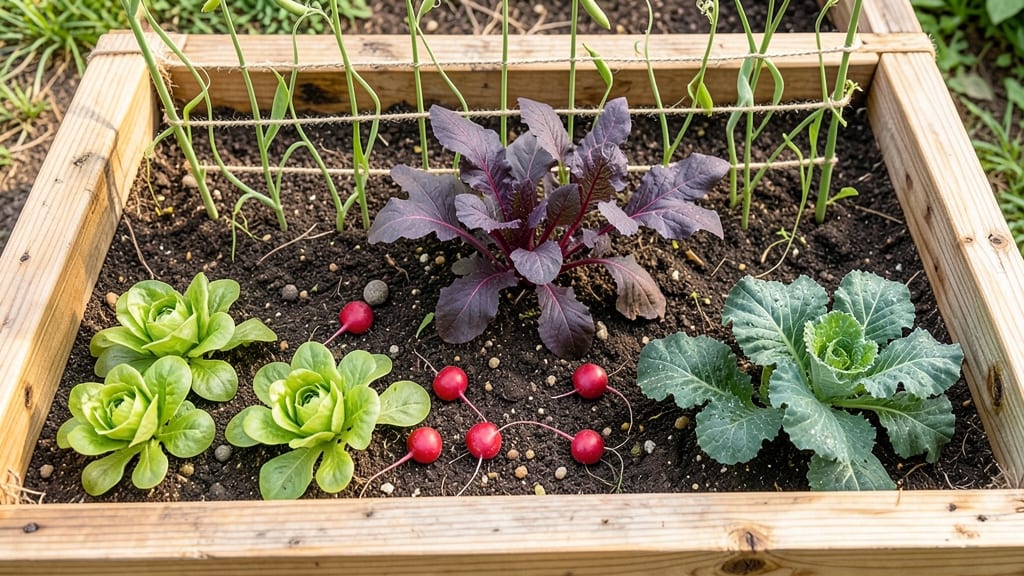
Maximize your small yard with these 10 creative raised bed vegetable garden layouts designed to optimize space, sunlight, and yield. Whether you're a beginner or seasoned gardener, these plans transform limited areas into high-productivity growing zones.
Square Foot Gardening Grid Layout
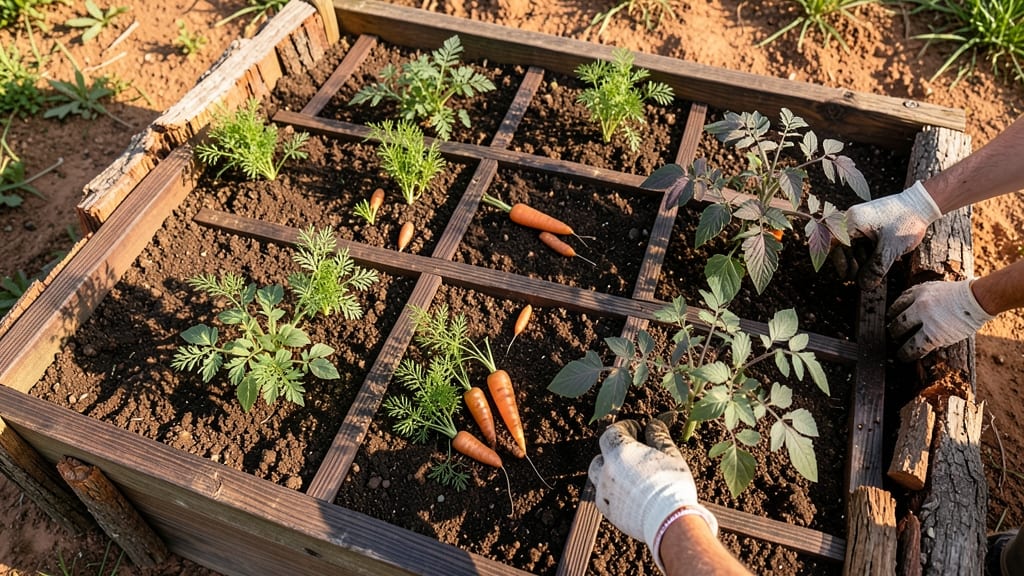
Tired of wasting space or struggling to remember how many carrots to plant next to your tomatoes? The square foot gardening grid layout turns your raised bed into a precision-planted powerhouse using a simple 1-foot square system that eliminates guesswork.
Developed by gardening expert Mel Bartholomew, this method divides your bed into a grid where each square holds the exact number of plants needed for maximum yield—16 basil plants per square, 4 tomatoes, or 16 radishes. The accompanying planting chart ensures no space is wasted, and you’ll know exactly how many seeds or seedlings to place in each section. Perfect for urban gardeners or beginners, this layout also reduces soil compaction and makes weeding a breeze.
This isn’t just about fitting more plants—it’s about growing smarter. The system’s flexibility lets you adjust for your climate, and the modular approach means you can expand or shrink your bed as needed. Start small with a 4x4-foot bed and watch your harvest multiply without the confusion. 🌱
Vertical Stacked Raised Beds
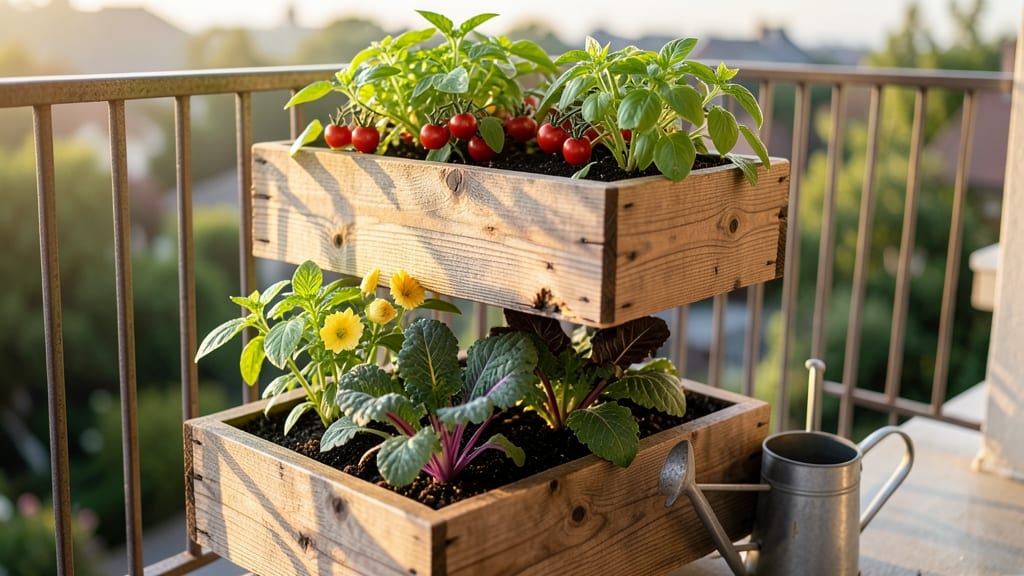
Turn your balcony or patio into a thriving garden with vertical stacked raised beds—a game-changer for small spaces where every inch counts. These tiered systems let you grow up instead of out, doubling your planting area without sacrificing soil quality or sunlight access.
Start with three stacked beds (typically 12–18 inches deep each) using cedar or composite wood for durability. Plant shallow-rooted crops like lettuce, strawberries, and herbs in the top layer, where they’ll get the most light, and heartier veggies like carrots or radishes in the bottom. Use metal brackets or corner posts to secure the stack, and ensure each tier has drainage holes to prevent waterlogging.
This layout is perfect for urban gardeners, renters, or anyone with limited ground space—no need for a full yard to grow a bounty. Plus, the vertical design keeps soil fresher longer by reducing compaction. 🌱
Keyhole Garden Design
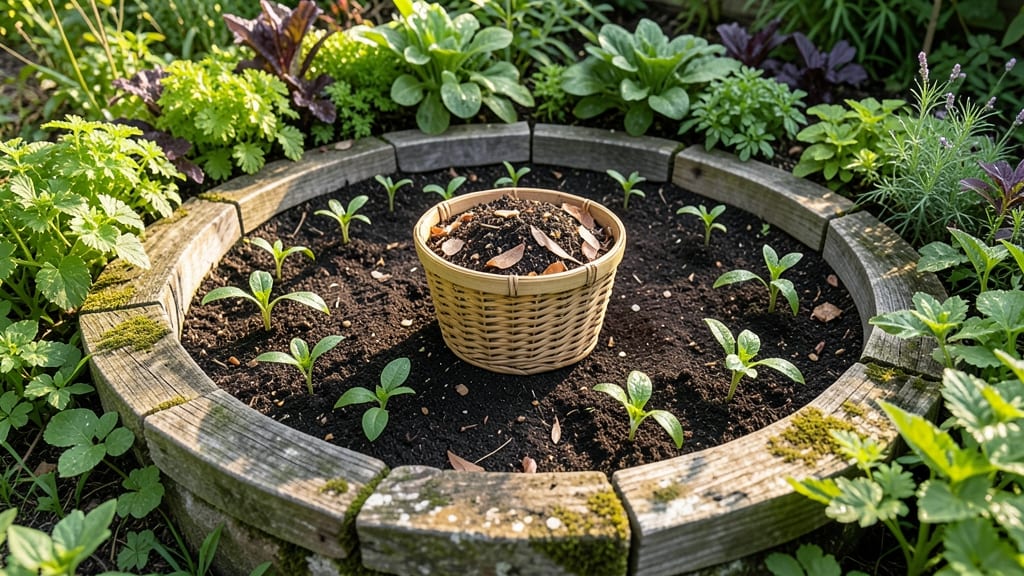
If you're tired of constantly watering and amending your garden beds, the keyhole garden design might be your new favorite layout. This circular raised bed features a central compost basket that continuously feeds nutrients to your plants, reducing the need for manual soil replenishment and cutting water use by up to 70%.
To create one, start with a wooden pallet or sturdy wooden frame (about 3-4 feet in diameter) and line it with landscape fabric to prevent soil loss. Fill the outer ring with a mix of compost, topsoil, and organic matter, then place a compost basket (like a small wire mesh bin) in the center. Surround the basket with drought-tolerant crops like sweet potatoes, beans, or kale—these thrive with minimal water while their deep roots draw moisture from the compost.
This design is ideal for drought-prone climates or gardeners who want low-maintenance irrigation. Simply add water to the compost basket, and the moisture will slowly wick outward to your plants. Perfect for beginners or urban gardeners with limited space! 🌱
Spiral Herb and Vegetable Bed
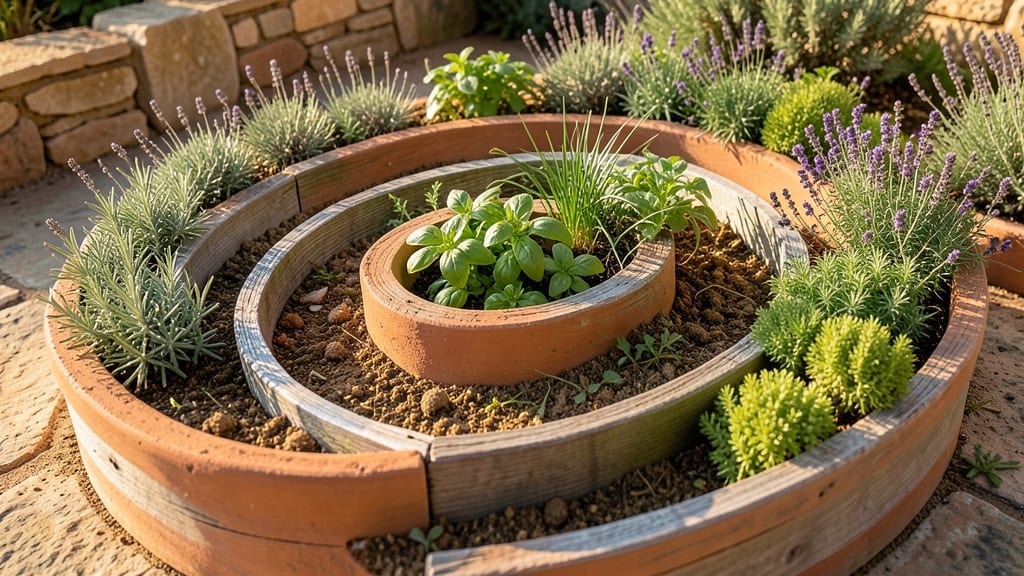
Bring the charm of Mediterranean gardens to your yard with a spiral herb and vegetable bed, where every plant thrives in its perfect microclimate. This elegant design mimics natural slopes, allowing you to group sun-loving herbs like oregano and thyme near the outer edges with 6+ hours of sun, while moisture-loving greens like lettuce and radishes nestle in the shaded inner rings.
The spiral’s terraced levels create natural drainage, reducing water waste while keeping roots cool in hot climates. Start with a 4-foot diameter bed for easy maintenance, using stones or bricks to define the curves. Place taller plants like basil on the outer edges and lower-growing crops like arugula toward the center, where they’ll benefit from dappled shade.
This layout is perfect for gardeners who love visual appeal and want to grow both culinary herbs and vegetables in one cohesive space. The spiral’s intuitive design makes it easy to rotate crops seasonally while keeping your garden looking like a postcard. 🌿
French Intensive Planting Method
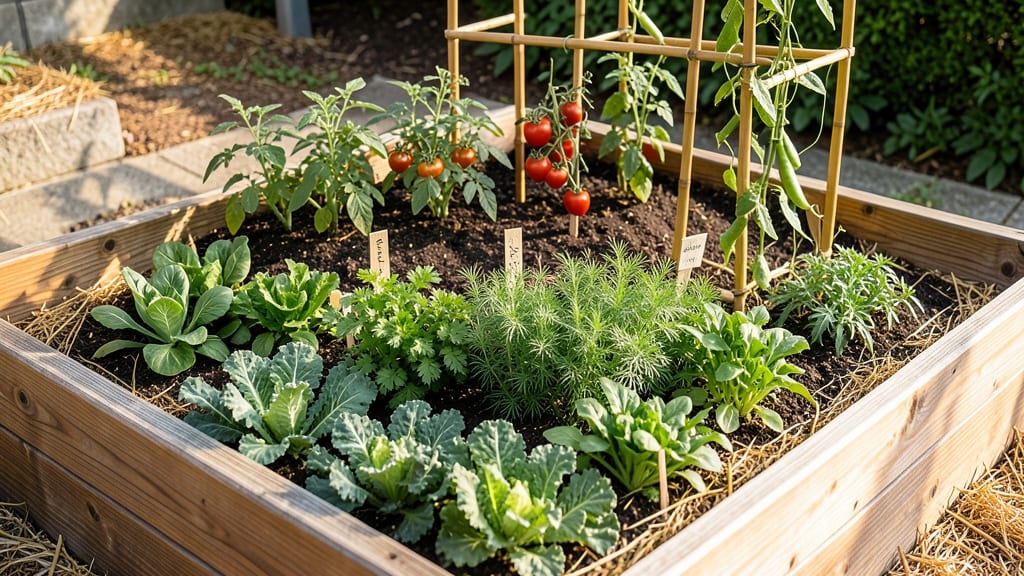
If you’ve ever wished you could grow more vegetables in your raised bed without expanding its footprint, the French Intensive Planting Method is your answer. This European technique maximizes vertical space by layering plants in three to four tiers, turning a single bed into a high-yield powerhouse.
Start with tall crops like corn or sunflowers in the back, then add mid-height plants such as lettuce or radishes in the middle, and fill the front with shallow-rooted herbs or carrots. The key is to plant fast-growing crops first, then succession-plant shorter varieties as the taller ones mature. This method works best for experienced gardeners who can manage dense planting and frequent thinning.
Perfect for urban gardeners with limited space or those aiming for year-round harvests, this approach ensures no square foot goes unused. Just be prepared for meticulous planning—your rewards will be bountiful! 🌱
Corner Pocket Garden Layout
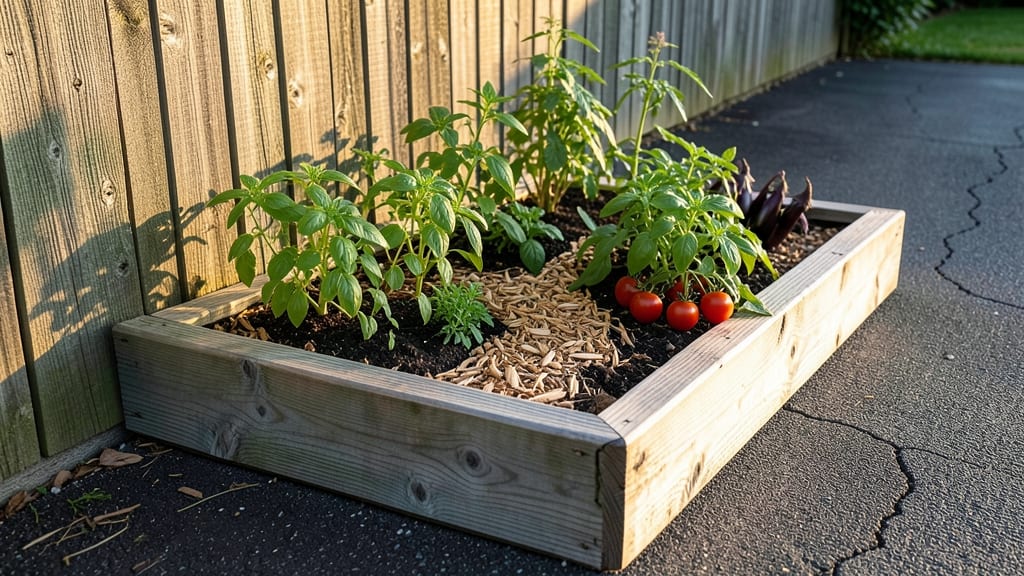
That unused corner between your fence and driveway doesn’t have to stay empty—triangular or trapezoidal raised beds turn awkward spaces into productive growing zones. This layout maximizes sunlight exposure from two directions while fitting seamlessly into tight nooks, making it ideal for urban gardeners or small yards.
Start by measuring your corner space and cutting cedar or composite lumber into triangular or trapezoidal shapes to create the bed frame. Plant fast-growing vegetables like bush beans, zucchini, or peppers along the outer edges to catch sunlight from both sides. For deeper beds, add shallow-rooted greens like lettuce or radishes near the center. This design also works well for herbs or flowers, adding both beauty and functionality.
Perfect for beginners or gardeners with limited space, this layout proves that even the trickiest corners can become thriving, high-yield gardens. 🌻
Three-Sister Companion Planting Bed
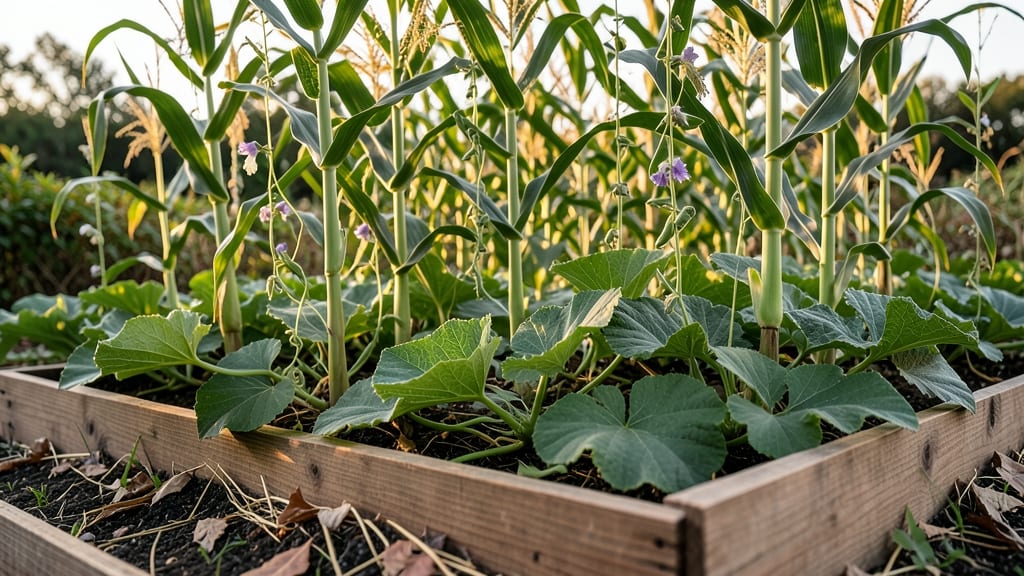
Transform your raised bed into a thriving, self-sustaining ecosystem with the Three-Sister Companion Planting Bed, a time-tested Native American technique that pairs corn, beans, and squash for mutual benefits. This method doesn’t just save space—it creates a natural cycle where each plant supports the others, reducing pests and enriching the soil effortlessly.
Plant corn first as the tall stalks provide trellis support for pole beans, which fix nitrogen in the soil to nourish the squash sprawling beneath. The squash’s broad leaves act as living mulch, suppressing weeds and retaining moisture. Start with 4-6 corn plants per bed, interplanting beans between rows, and tucking squash vines at the base. This layout thrives in full sun and requires minimal intervention once established.
Perfect for organic gardeners or those seeking a deeper connection to traditional growing methods, this bed delivers year-round soil health and a bountiful harvest with less work. It’s a living example of how nature’s partnerships can simplify gardening. 🌱
Modular Grid with Walkways
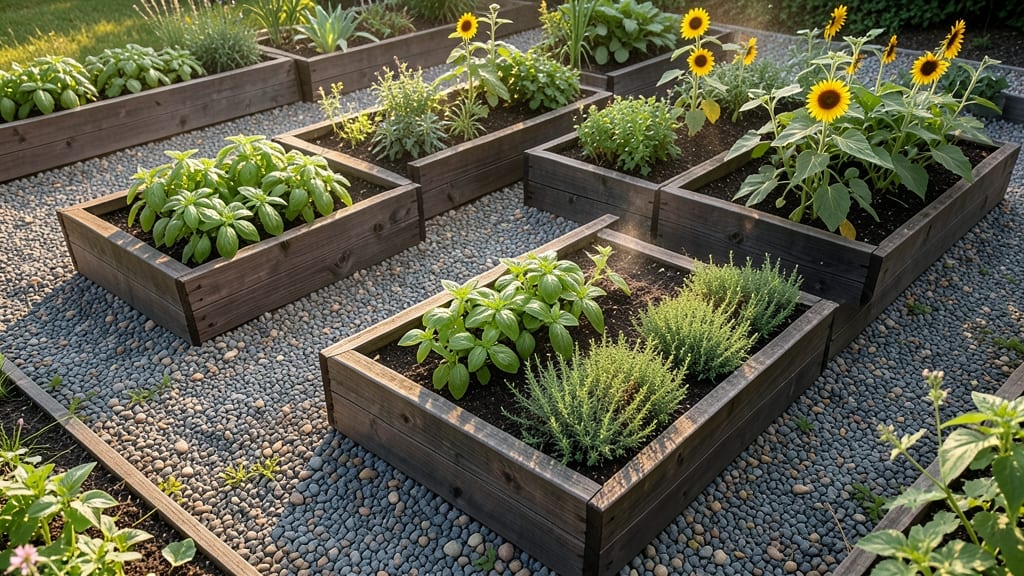
Struggling to expand your garden without sacrificing accessibility? A modular grid with walkways turns your yard into a scalable growing system where each bed connects seamlessly to the next, creating a network of productivity.
Design 2x4-foot rectangular beds with 18-inch gravel pathways between them—wide enough for easy wheelbarrow access but narrow enough to preserve growing space. Start with 2-3 beds and expand as needed; the grid structure lets you add new sections without disrupting existing plants. Plant sun-loving crops like tomatoes and peppers in the south-facing beds, while shade-tolerant greens thrive along the north edges.
This layout is ideal for gardeners who want to grow systematically—perfect for those with larger small yards or who dream of doubling their harvest over time without the chaos of cramped rows. 🌱
Hugelkultur Raised Bed
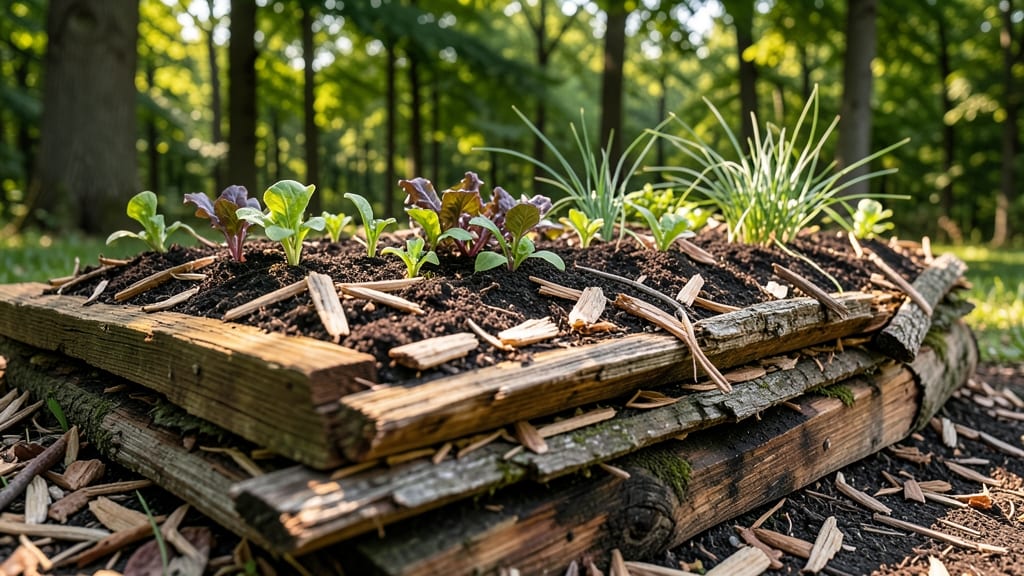
Want a raised bed that feeds your soil and your plants for years to come? Hugelkultur transforms waste wood into a nutrient powerhouse—no compost pile required. This low-maintenance method mimics nature by burying logs and wood chips beneath the soil, creating a slow-release fertilizer that retains moisture and warms roots in cooler climates.
Start by layering rot-resistant hardwood logs (like oak or maple) at the bottom, topped with smaller branches and wood chips. Add a thick layer of garden soil and mulch before planting deep-rooted crops like potatoes, strawberries, or asparagus. The decomposition process releases nutrients over 5-10 years, reducing the need for fertilizers. This design also improves drainage and insulates plants from frost.
Perfect for long-term gardeners or those in Zone 4-6, hugelkultur beds require minimal upkeep once established. They’re especially rewarding for eco-conscious growers who want to repurpose yard waste into fertile ground. 🌱
Raised Bed Succession Planting Plan

Tired of empty garden beds after your first harvest? A succession planting plan keeps your raised beds productive year-round by strategically planting crops in overlapping waves—no wasted space, no fallow time.
Start with fast-growing crops like lettuce and radishes in early spring, then replace them with carrots and beans as temperatures rise. By late summer, swap in kale and spinach for a fall harvest. This method ensures you’re always harvesting something while minimizing soil disruption. Use plant tags to track maturity dates and plan your next wave.
This approach is ideal for gardeners who want continuous fresh produce without expanding their footprint. Perfect for small spaces or busy schedules, succession planting turns one bed into a year-long harvest machine. 🌱