
Landscaping
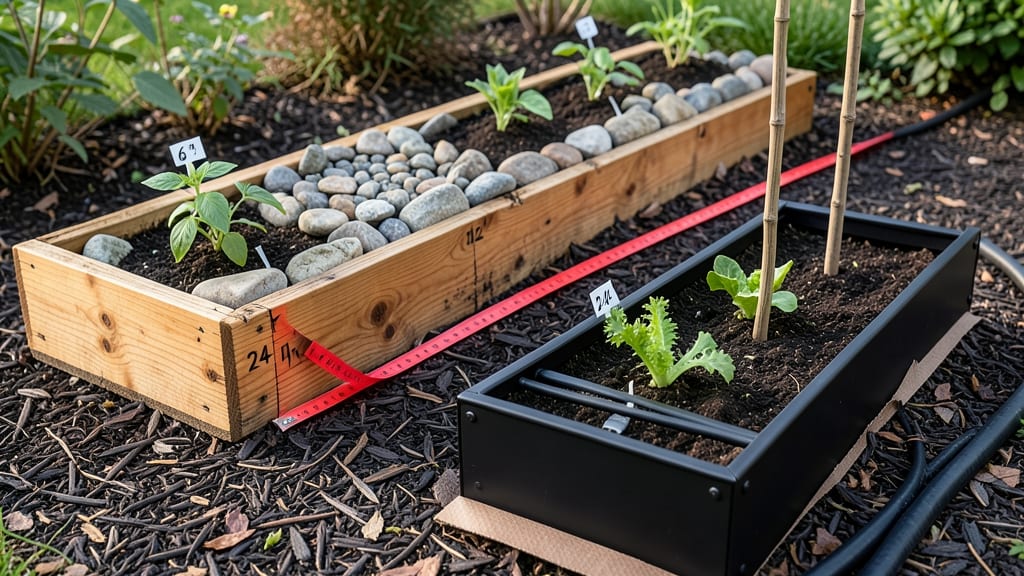
A 12-inch raised garden bed height is the sweet spot for root development, drainage, and plant success—far more effective than the common 6-inch beds many gardeners use.
If you’ve ever planted deep-rooted veggies like tomatoes or carrots only to watch them struggle, the problem might not be your soil or watering routine. It’s the bed height itself. Shallow beds limit root growth, trap moisture, and force plants to compete for nutrients in a tiny soil volume.
This guide breaks down why 12-inch beds outperform their shorter counterparts, how to adjust for different plants, and practical tips for building or modifying your beds without breaking the bank.
You’ll learn the science behind optimal height, which vegetables thrive at 6 inches (hint: it’s not most of them) and how to avoid common mistakes that waste time, money, and harvest potential.

How raised garden bed height affects root growth and plant health
The height of your raised garden bed directly impacts how well your plants grow. A 6-inch bed may work for shallow-rooted herbs, but deep-rooted vegetables like tomatoes and carrots need more space to thrive.
The extra depth in a 12-inch bed creates a healthier environment for roots to spread and access nutrients.
Soil temperature is another critical factor. Deeper beds retain heat better, especially in cooler climates, giving plants a head start in spring. This temperature regulation can mean the difference between a thriving garden and one that struggles to establish roots before the first frost.
Drainage also improves with height. 12-inch beds prevent waterlogging, which can suffocate roots and lead to fungal diseases. Proper drainage ensures oxygen reaches the roots, promoting stronger growth and better nutrient absorption.
Let’s break down how different heights impact your plants with this comparison of key factors:
| Factor | 6-Inch Bed | 12-Inch Bed |
|---|---|---|
| Root Depth | Limited to 4-6 inches | Supports 12+ inches |
| Soil Temperature | Cools faster in spring | Warms up quicker |
| Drainage | Moderate; risks waterlogging | Excellent; prevents soggy soil |
| Nutrient Availability | Limited to top layer | Full soil profile access |
| Best For | Herbs, lettuce, strawberries | Tomatoes, carrots, potatoes |
For deep-rooted vegetables, the extra depth of a 12-inch bed allows roots to explore more soil, accessing water and nutrients deeper underground. This is especially important for plants like asparagus and sweet potatoes, which need at least 12-18 inches of soil to thrive.
If you’re growing shallow-rooted plants like lettuce or radishes, a 6-inch bed may suffice. However, even these plants benefit from better drainage and warmer soil in deeper beds, leading to faster germination and stronger early growth.
Soil composition also plays a role. In clay-heavy soils, deeper beds improve aeration and prevent compaction. Meanwhile, sandy soils benefit from the extra depth to retain moisture longer, reducing the need for frequent watering.
One common misconception is that taller beds always mean better results. While 12-inch beds are ideal for most vegetables, 18-inch or deeper beds are unnecessary unless you’re growing tree fruits or large shrubs.
Overly deep beds can become difficult to maintain and may not provide enough benefits to justify the extra work.
To maximize your bed’s potential, focus on soil quality and plant selection. Amend the soil with compost to improve fertility, and choose plants that match your bed’s height. With the right setup, you’ll see healthier roots, bigger yields, and fewer pests.
Ready to upgrade? Start by measuring your current bed and comparing it to the ideal heights for your favorite plants. A small adjustment could make a big difference in your garden’s success this season! 🌱
Best raised garden bed heights for specific vegetables and flowers
Not all vegetables and flowers thrive in the same raised garden bed height. Root crops like carrots and potatoes need 12-inch-deep beds to grow fully, while shallow-rooted herbs like basil or thyme can thrive in just 6-inch beds.
The key is matching your bed height to the plant’s root depth and soil type—whether you have clay-heavy soil or sandy, fast-draining soil. Let’s break down the ideal heights for your garden’s stars.
For deep-rooted vegetables such as tomatoes, peppers, and squash, a 12-inch bed height is non-negotiable. These plants need room to spread their roots and develop strong stems. Carrots and parsnips, on the other hand, require loose, deep soil—so a 12-inch bed is ideal to prevent forking or stunted growth.
Meanwhile, shallow-rooted plants like lettuce, radishes, or herbs can happily grow in 6-inch beds, making them perfect for smaller spaces or container gardens.
- 12-inch beds: Best for deep-rooted veggies (tomatoes, carrots, potatoes) and clay soil to prevent compaction.
- 6-inch beds: Ideal for herbs, greens, and shallow-rooted flowers (basil, lettuce, marigolds) in sandy soil.
- 8-inch beds: A middle-ground for medium-rooted plants (peppers, beets, onions) or accessibility (easier to reach).
- Adjust for soil: Add 2-3 inches of compost to 6-inch beds for sandy soil to retain moisture and nutrients.
- Avoid over-filling: Never exceed 18 inches—roots need oxygen, and too much depth can suffocate them.
If you’re working with clay soil, a taller bed—like 12 inches—helps break up compaction and improves drainage. The extra depth allows roots to penetrate deeper, accessing moisture and nutrients more efficiently.
For sandy soil, however, a 6-inch bed might be sufficient for shallow-rooted plants, but you’ll need to add organic matter like compost or peat moss to prevent nutrients from washing away.
For flowers like sunflowers or hollyhocks, aim for 12-inch beds to support their tall stems and deep taproots. Perennials like lavender or rosemary, on the other hand, prefer 6-inch beds with excellent drainage—overwatering is their biggest enemy.
Always consider the plant’s mature size when planning your bed height to avoid crowding or root competition.
Pro tip: Use raised bed height as a tool for accessibility. A 10-12 inch bed is easier on your back and knees, reducing strain during planting or harvesting. Just ensure the sides are sturdy enough to support the weight of soil and water.
For container gardens, even 6-inch depths can work if you use lightweight, nutrient-rich mixes and harvest frequently.
Experiment with different heights in your garden—you might discover that a mix of 6-inch and 12-inch beds gives you the best of both worlds. Start with your deepest-rooted plants in the tallest beds, then fill the rest based on your space and soil type. Happy planting! 🌱