
Tools
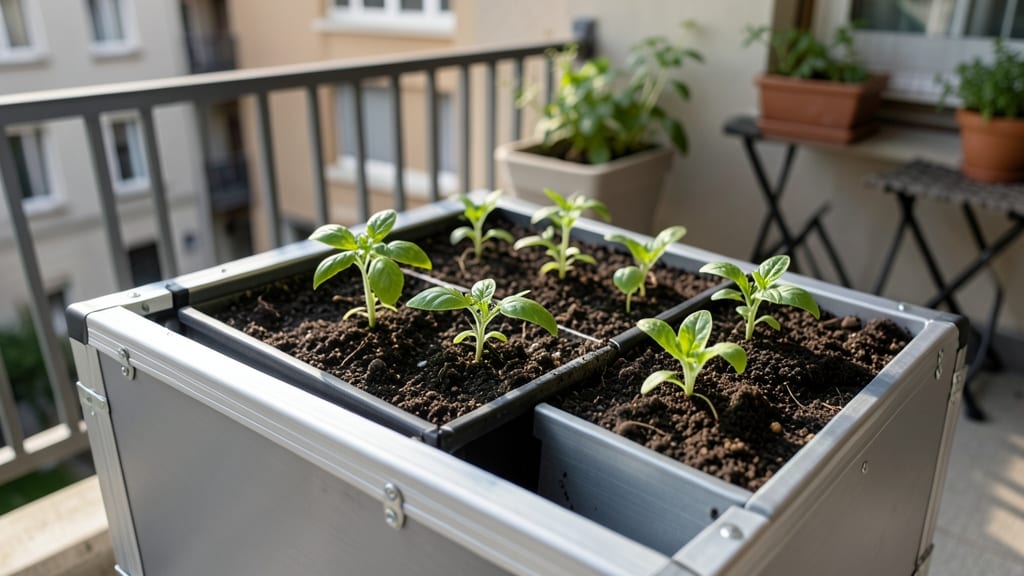
Small urban yards don’t have to limit your gardening dreams. These 10 raised vegetable garden bed ideas maximize growing space while adding beauty, functionality, and sustainability to tight outdoor areas—perfect for urban farmers and space-conscious gardeners alike.
Vertical Pallet Garden Bed
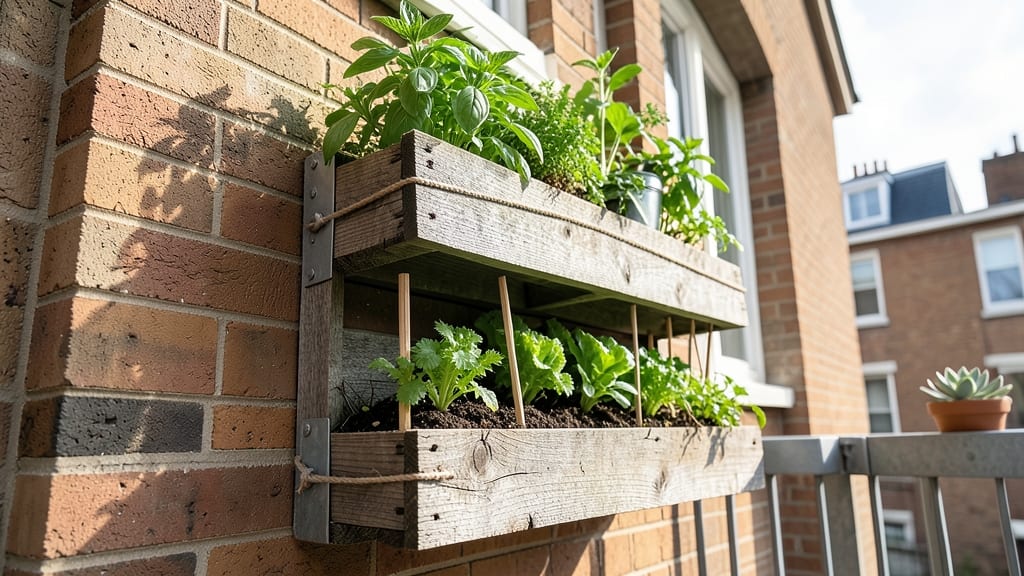
Turn blank walls into a thriving garden with a vertical pallet garden bed—a creative way to grow herbs and leafy greens without sacrificing floor space. This eco-friendly solution repurposes wooden pallets into a rustic, functional planter that’s perfect for urban balconies or small patios.
Start by sanding and sealing the pallets to prevent splinters, then mount them vertically against a wall or fence using sturdy brackets. Fill the gaps between slats with moistened coconut coir or landscape fabric to retain soil, then plant shallow-rooted crops like basil, lettuce, or spinach directly into the pockets. Watering is easy—just aim a hose or watering can at the top, letting gravity distribute moisture evenly. 💡
This design is ideal for renters or small-space gardeners who want fresh produce without a large footprint. Plus, the vertical layout keeps pests at bay and makes harvesting a breeze. 🌱
Tiered Stacked Planter Boxes
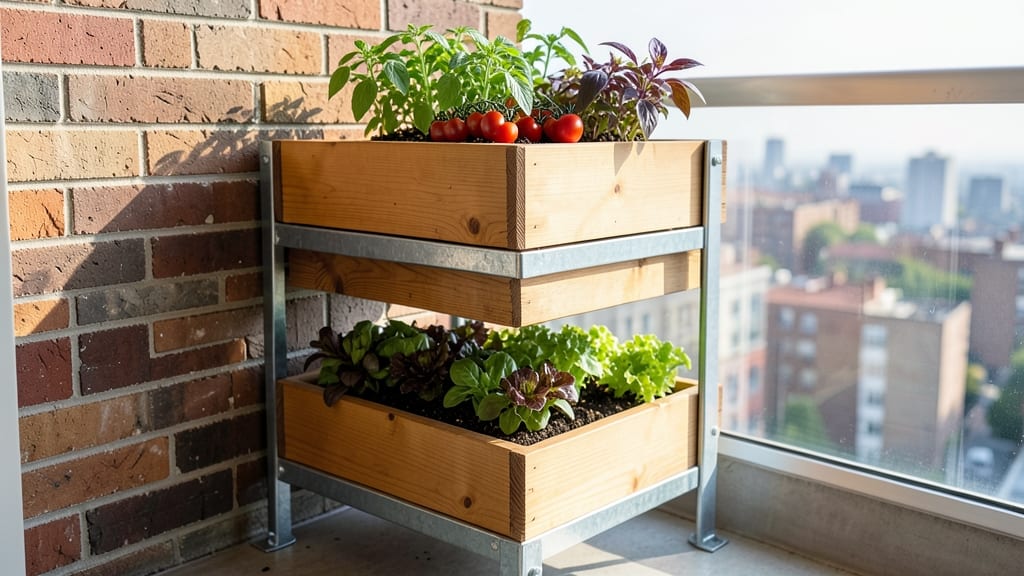
When your balcony or patio feels more like a postage stamp than a garden plot, tiered stacked planter boxes turn vertical space into prime real estate. These modular systems let you grow twice as many vegetables without doubling your footprint—ideal for urban gardeners who want maximum harvests in minimal space.
Start with a sturdy base (wood, metal, or even repurposed crates) and stack additional boxes on top, ensuring each layer has proper drainage. Plant sun-loving crops like peppers and tomatoes on the top tier (where they get the most light) and shade-tolerant greens like radishes or lettuce on the bottom. Most stacked systems can support three to four layers, giving you enough room for a full salad garden in just a few square feet.
This design is especially great for renters or those with limited outdoor space, as the boxes can be disassembled or moved easily. Plus, the layered look adds visual interest to any small outdoor area. 🌻
Window Box Herb Garden
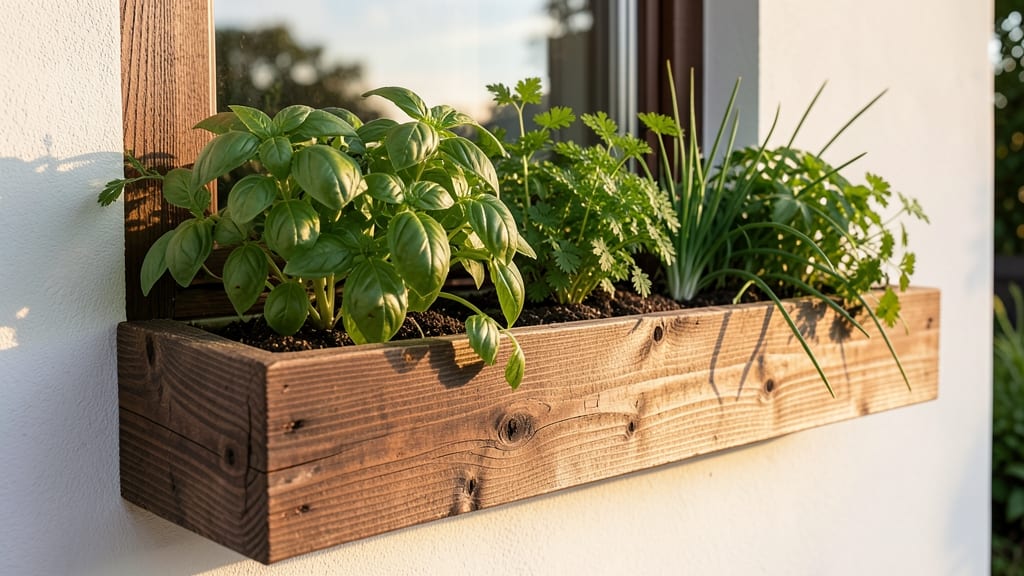
Turn your empty window sills into a year-round herb garden without needing a yard. Window boxes are perfect for renters or city dwellers who crave fresh basil, parsley, or chives just steps from their kitchen—no bending or outdoor space required.
Use deep window boxes (at least 8-12 inches) to accommodate root systems, and opt for lightweight materials like cedar or plastic to avoid straining sills. Plant sun-loving herbs like thyme or rosemary in southern exposures, while shade-tolerant options like cilantro thrive in cooler spots. Add a drip irrigation system to keep soil consistently moist without daily watering.
This setup is ideal for beginners or anyone with limited space who still wants to grow their own food. Plus, the aromatic greens will brighten your home while keeping pests away naturally. 🌿
Spiral Herb Garden Bed
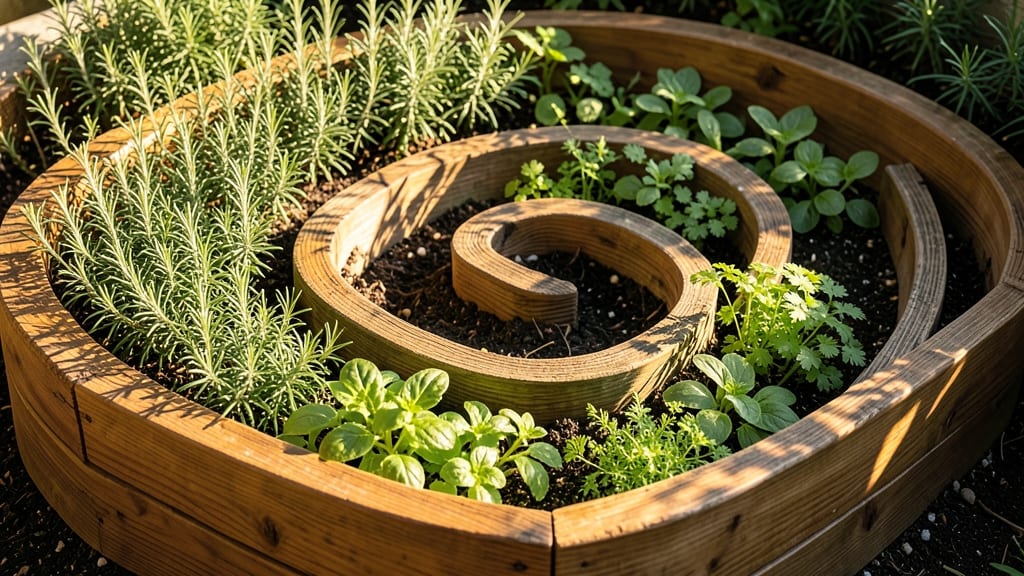
Turn your sunniest corner into a thriving herb haven with a spiral herb garden bed, where sunlight and shade play together to create the perfect microclimate for diverse plants. This compact, swirling design lets you grow everything from sun-loving rosemary to shade-tolerant mint in one small footprint—ideal for urban spaces with varying light conditions throughout the day.
Build your spiral using stacked bricks, stones, or even repurposed wooden planks to create concentric rings of soil. Place sun-loving herbs like thyme and oregano on the outer edges where they’ll receive the most light, then spiral inward with partial-shade plants like cilantro and parsley. The design naturally channels rainwater toward the center, keeping roots consistently moist without overwatering. With just 2-3 feet of diameter, you can fit this bed into tight patios or balconies while maximizing growing space.
This design is perfect for urban gardeners who want low-maintenance, high-reward herb gardening without sacrificing variety. The spiral shape also adds a striking visual element to small yards, blending functionality with beauty. 💚
Hanging Basket Vegetable Garden
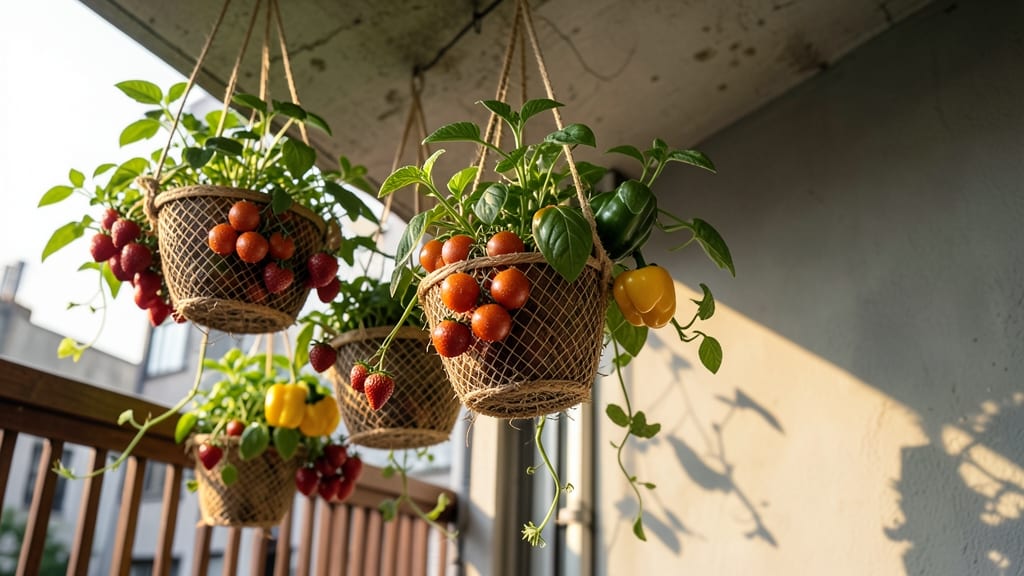
Turn your urban walls and ceilings into a thriving vegetable garden with hanging baskets—the perfect solution for small spaces craving big harvests. This creative approach lets you grow cherry tomatoes, strawberries, and peppers without sacrificing precious ground space, making it ideal for balconies, patios, or even alleyways.
Opt for lightweight, breathable baskets with drainage holes to prevent root rot, and pair them with sturdy hooks or chains for secure suspension. Plant shallow-rooted varieties like lettuce or herbs in smaller baskets, while larger containers can accommodate tomatoes or peppers. Suspend baskets at varying heights to create a dynamic, eye-catching display while ensuring all plants receive adequate sunlight.
This design is a game-changer for urban gardeners who want to maximize vertical space and add a touch of whimsy to their outdoor areas. With the right setup, you’ll enjoy fresh produce and stunning greenery year after year. 🌻
Raised Keyhole Garden Bed
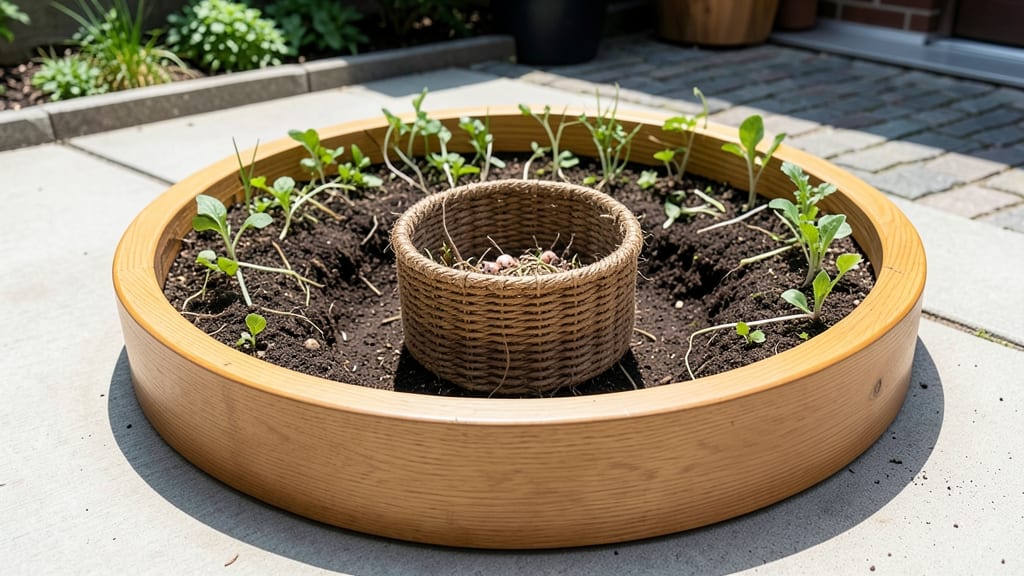
If you’ve ever struggled with limited space in your urban yard, the raised keyhole garden bed is a game-changer. This circular design combines efficiency with sustainability by integrating a central compost basket, turning food scraps directly into nutrients for your plants—no extra trips to the compost pile needed!
The keyhole shape ensures every inch of soil is accessible, even in tight corners, while the compost basket at the center keeps your garden self-sustaining. Plant root vegetables like carrots and beets around the edges, where they’ll thrive in the nutrient-rich soil, and add leafy greens closer to the compost for a continuous harvest. The design also minimizes soil erosion and makes weeding easier.
This bed is ideal for small-space gardeners who want low-maintenance, high-yield results without sacrificing sustainability. 🌱
Modular Grid Planter System
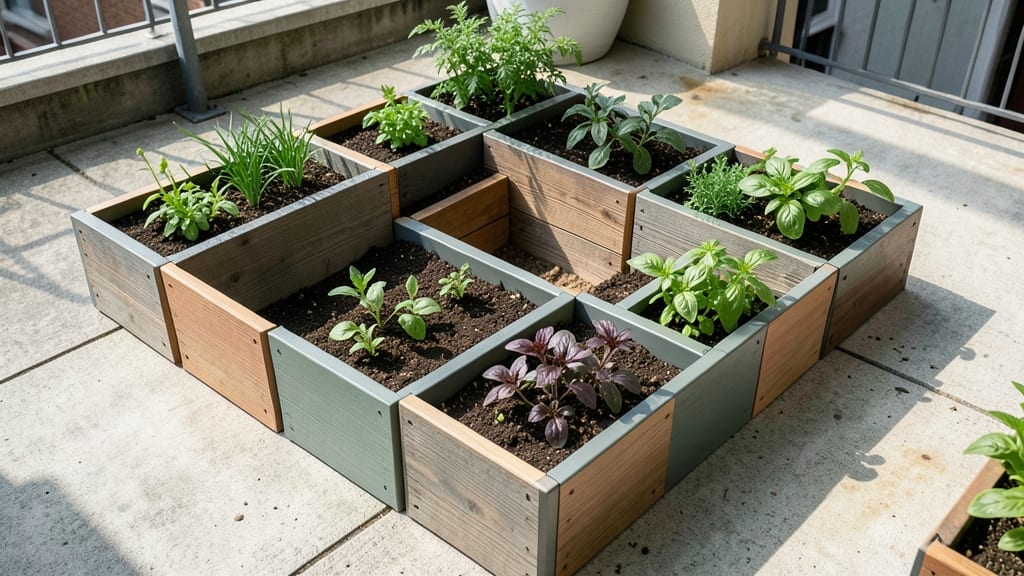
Tired of rigid garden beds that don’t adapt to your changing needs? A modular grid planter system lets you rearrange panels like puzzle pieces, creating a custom layout that grows with your garden. This innovative design is perfect for urban spaces where flexibility is key—whether you’re renting and need to move soon or simply want to experiment with different crops.
Each panel snaps together securely, allowing you to expand your garden by adding more sections or swap out sections to optimize sunlight exposure. The grid structure also makes it easy to rotate crops and maintain soil health, reducing the risk of pests and diseases. Best of all, you can start small with just a few panels and expand as your green thumb grows.
This system is ideal for urban gardeners who value versatility and sustainability, letting you adapt your space without the hassle of rebuilding. Plus, the sleek design blends seamlessly into modern urban landscapes. 💡
Upcycled Tire Garden Bed
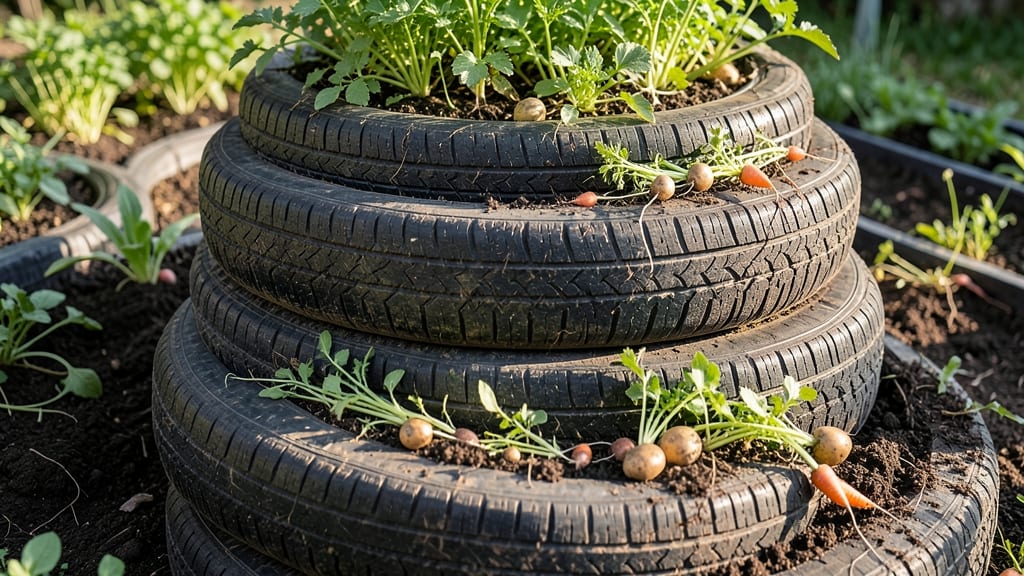
Turn old tires into a thriving garden with this upcycled tire garden bed, a clever way to grow root vegetables like potatoes, carrots, and radishes without taking up precious ground space. This vertical solution stacks tires in a spiral or straight arrangement, creating a rustic yet functional growing area that’s perfect for small urban yards or tight corners.
Start by cleaning and stacking tires (3-4 deep) on a sturdy base, then fill each with a mix of well-draining soil and compost. Plant seeds or seedlings directly into the soil, ensuring each tire has enough space for roots to spread. The vertical design not only saves space but also makes harvesting easier—just lift the tire to access your crops! This method is ideal for gardeners who want a low-cost, eco-friendly solution with minimal maintenance.
Perfect for beginners or urban gardeners, this bed requires little more than basic gardening skills and a few old tires. It’s a great way to reduce waste while growing a bountiful harvest in a small footprint. 🌱
Corner Pocket Garden Bed
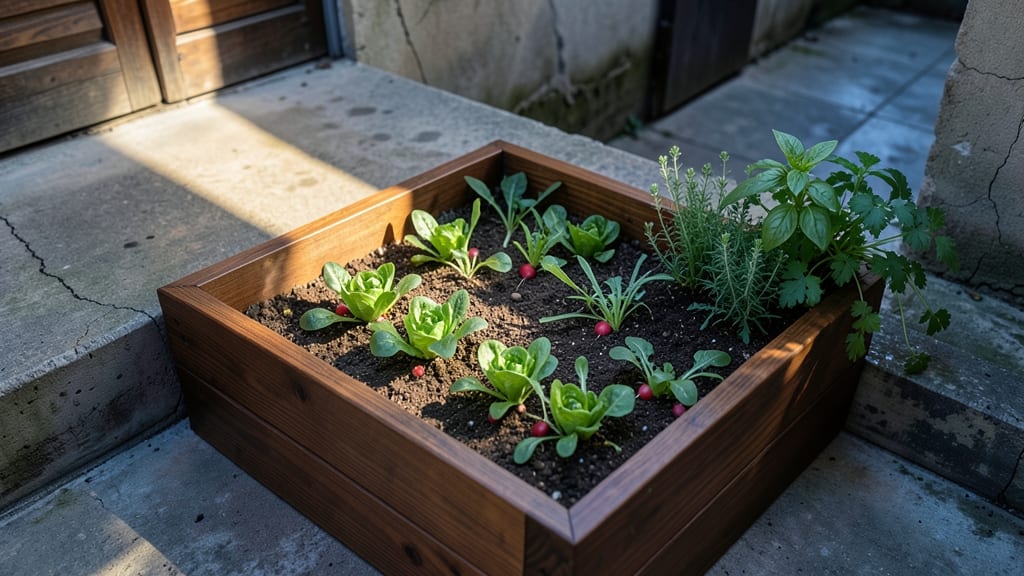
That awkward, unused corner of your patio or alleyway could become your most productive garden spot. A corner pocket garden bed transforms dead space into a thriving mini-garden for salad greens, herbs, or shallow-rooted veggies like radishes and lettuce—without taking up valuable floor space.
This sloped design fits snugly into tight angles, often using prefabbed metal or wooden frames that require minimal assembly. The angled walls prevent soil erosion and allow sunlight to reach plants on both sides. For best results, fill with well-draining soil mix and plant fast-growing crops that tolerate partial shade—like bush beans, Swiss chard, or thyme—for continuous harvests.
Perfect for urban gardeners with limited square footage, this bed requires no special tools to install and can be placed against walls, fences, or even between two structures. It’s the ultimate solution for maximizing every inch of your outdoor area. 🌿
Portable Folding Garden Bed

Say goodbye to permanent garden beds that tie you down—portable folding garden beds bring the flexibility of a greenhouse to your growing space, collapsing into a compact shape when not in use. These lightweight wonders are ideal for renters, seasonal gardeners, or anyone who loves the idea of moving their garden to catch the perfect spot of sun or shade.
Made from durable, weather-resistant materials like polypropylene fabric or lightweight cedar, these beds fold flat for easy storage in a closet or garage. Most models include built-in handles for effortless transport, and their 12-18 inch depth accommodates root vegetables like radishes, carrots, and lettuce while keeping weight manageable. For urban gardeners, they’re a game-changer—set them up on a balcony, patio, or even a rooftop deck, then fold them away when you need the space back.
This is the ultimate solution for seasonal gardeners who want to grow without commitment, or for renters who refuse to sacrifice their green thumb. With minimal setup and maximum mobility, you can finally grow where you live—no matter how temporary. 🌱