
Shrubs
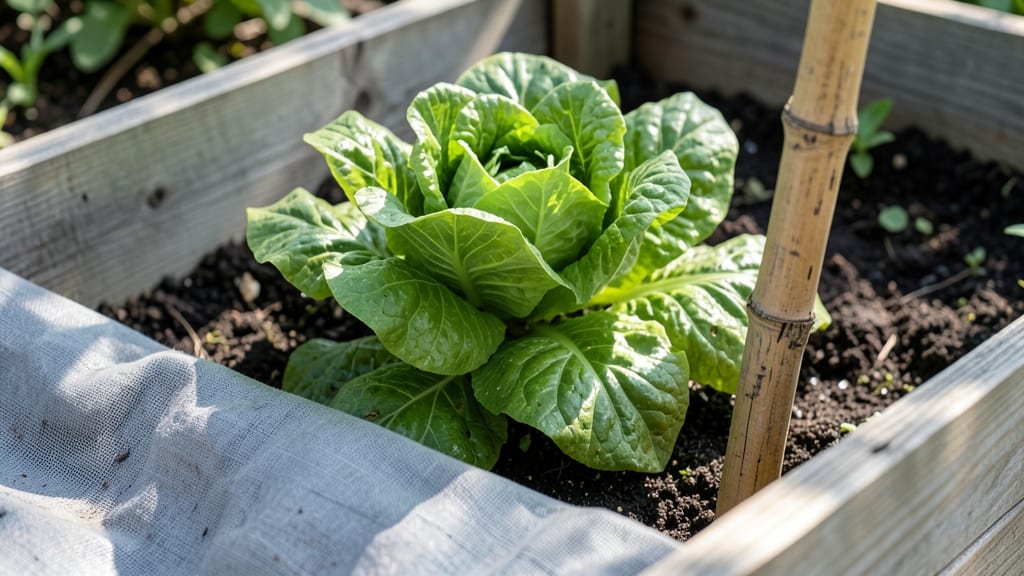
My shade cloth tarp saved my heat-sensitive seedlings last summer when temperatures hit 95°F. 🌿 These lightweight yet sturdy fabrics regulate sunlight, temperature, and even pests—transforming harsh conditions into the perfect growing environment for delicate plants.
The right percentage (30% to 90%) makes all the difference: 30% for seedlings, 50% for tropical plants, and 90% for shade-loving greens. Installation is simple—just drape over hoops or stakes, secure with clips, and adjust as seasons change.
You’ll see immediate results: fewer scorched leaves, stronger stems, and plants that thrive instead of struggle. Once set up, maintenance is minimal: check for tears, rinse off debris, and store when not in use.
A good tarp lasts 5-10 years with proper care, paying for itself in saved plants and better harvests. Works for everything from vegetable beds to nursery starts—even protecting your patio furniture from sun damage. Let’s get those plants growing strong!
📚 In This Guide
- What you need
- Instructions
- Tips and common mistakes
- Wrapping up and next steps
What you need
- ● Shade cloth tarp: Choose a lightweight, UV-stabilized shade cloth (30-50% shade for shrubs). Size depends on your garden area—measure your space first! 📏
- ● Sturdy hoops or frames: PVC pipes (½" or ¾" diameter), metal hoops, or wooden dowels (10-12 ft long, spaced every 4-6 ft).
- ● Ground stakes or anchors: Heavy-duty stakes (6-12 per tarp) or sandbags (10-20 lbs each) to secure the edges.
- ● Twine or zip ties: UV-resistant twine or heavy-duty zip ties (50+ pieces) to attach the tarp to frames.
- ● Measuring tape & scissors: For precise cuts and setup.
- ● Drill & screws: If attaching frames permanently (e.g., to a fence or trellis).
- ○ Clips or grommet fasteners: For easier tarp attachment (optional but handy!).
- ● Reflective tape: Helps deter pests if placed along edges.
- ● Extra tarp: A backup piece in case of tears or future expansions!
Step-by-Step guide for using shade cloth tarps in your garden
Here's how I transform struggling plants into thriving specimens with the right shade cloth setup.
🌿 Step 1: Select the Correct Shade Percentage
Shade cloth comes in percentages that determine how much sunlight passes through—think of it like sunglasses for your plants. For delicate greens like lettuce or spinach, I use 30-50% shade cloth to filter harsh afternoon sun while still allowing enough light for photosynthesis. For tropical plants like ferns or caladiums, 50-70% coverage prevents leaf scorch while maintaining growth.
Here's the thing—don't guess. Check the label on your tarp for the exact percentage. If you're unsure, start with 50% shade cloth as a baseline. You can always adjust later by layering additional tarps or moving plants to different light zones. I've seen beginners burn leaves by using too little coverage, so err on the side of caution with hotter climates.
🪴 Step 2: Install the Tarp Properly for Maximum Coverage
Measure your garden bed or container area first, then cut the shade cloth tarp to size with sharp fabric scissors—this prevents fraying and ensures a clean edge. For raised beds, I like to drape the tarp over the frame and secure it with binder clips or zip ties at the corners. This creates a tent-like structure that allows airflow while blocking light.
If you're protecting individual plants, use hoops made from PVC pipes (about 3 feet tall) bent into arches and spaced 3-4 feet apart. Drape the tarp over these hoops and secure it tightly with clips. The key is keeping the tarp taut—loose fabric sags and creates uneven shading, which can stress plants differently in various spots.
☀️ Step 3: Position for Optimal Light Filtering
Install the shade cloth to block the hottest part of the day, typically between 10 AM and 4 PM. For south-facing gardens, position it to cover the western side where afternoon sun is most intense. You'll know it's working when plants show richer green leaves and fewer signs of stress like yellowing or crispy edges.
Monitor your plants after a week. If they look leggy (stretched with pale leaves), they need more light—remove the tarp for a few hours daily. If leaves appear dull or growth slows, increase shade coverage. This trial-and-error phase is normal, and I always keep a journal to track adjustments. Real talk: some plants, like Swiss chard, actually thrive with partial shade cloth year-round.
💧 Step 4: Adjust Watering Under Shade Cloth
Shade cloth changes the microclimate, so your watering routine needs to adapt. Plants under shade retain more moisture, so check the soil daily instead of every other day. Stick your finger 1 inch deep—if it feels dry, water deeply until it runs out the drainage holes. Overwatering is a common mistake here because the cooler, shaded environment tricks gardeners into thinking plants need less.
I also recommend watering in the early morning when the tarp is off or when you remove it temporarily. This prevents fungal issues that thrive in the damp, shaded conditions. If you notice powdery mildew (white fuzzy spots) on leaves, increase airflow by loosening the tarp slightly or adding more support hoops to create space.
⏰ Step 5: Seasonal Adjustments for Year-Round Use
Shade cloth isn't just for summer—it's a year-round tool. In spring and fall, reduce coverage to 30% or remove it entirely as sunlight becomes less intense. For winter protection, use a lighter cloth (like 20% shade) to prevent cold damage while still allowing light. I've kept tender perennials like coleus and impatiens thriving through mild winters with minimal shade.
Before storing the tarp for winter, give it a thorough cleaning with a mild soap solution to remove dirt and debris. Fold it neatly and store it in a dry place—this prevents mold and extends its lifespan. I mark the tarp with a fabric marker for easy identification next season, so I don't have to guess which percentage I'm using when I pull it out again.
Tips & tricks for perfect shade cloth setups
Transforming your garden with shade cloth is all about precision—these insights will help you avoid common pitfalls and get the most out of your setup.
Light Percentage Precision: That 30-50% range for delicate greens isn't arbitrary—it's about balancing protection and photosynthesis. For leafy greens like spinach, I've found that 40% shade cloth during peak summer afternoons gives the best results. The key is monitoring leaf color: vibrant green means you're in the sweet spot, while pale yellow indicates too much shade, and crispy edges mean it's too little. I keep a small notebook by my garden to track adjustments.
Installation Integrity: The 3-foot tall PVC hoops mentioned in Step 2 aren't just for looks—they create consistent coverage. I've learned the hard way that sagging fabric creates hot spots where plants get uneven light exposure. For larger gardens, add support every 4 feet and use heavy-duty zip ties instead of clips for windy conditions. This creates that perfect even shade that prevents stress patterns on leaves.
Seasonal Adaptability: The spring/fall adjustment from 30% or removal to winter's 20% for protection is where many gardeners struggle. I've found that late winter (February-March) often needs that light protection against cold winds while still allowing sunlight. The trick is checking the soil temperature—if it's below 50°F, keep that 20% cloth on to prevent root stress in tender plants.
Watering Wisdom: That daily soil check at 1 inch deep is non-negotiable, but here's what I've discovered: shade cloth creates a 10-15°F cooler microclimate than full sun. This means your watering frequency should drop by about 30% compared to open garden beds. I've seen gardeners overwater by 50% or more because they assume the cooler air means less water—exactly the opposite is true. The shade keeps moisture in the soil longer, but the roots still need consistent hydration.
Pro Tips for Shade Cloth Tarp
- Transforming your garden with shade cloth is all about precision—these insights will help you avoid common pitfalls and get the most out of your setup.
- Light Percentage Precision: That 30-50% range for delicate greens isn't arbitrary—it's about balancing protection and photosynthesis.
- Installation Integrity: The 3-foot tall PVC hoops mentioned in Step 2 aren't just for looks—they create consistent coverage.
Frequently asked questions
Got questions about shade cloth tarps?
You’re not alone! Here are answers to the most common queries to help you grow like a pro—even in low-light conditions.
What’s the best shade cloth percentage for shrubs?
The ideal percentage depends on your climate and shrub type. 30-50% shade cloth is great for most shrubs—it filters harsh sunlight while allowing enough light for photosynthesis. Delicate varieties (like ferns or impatiens) thrive with 50-70%, while hardy shrubs (e.g., boxwood) may need just 20-30%.
When is the best time to install a shade cloth tarp?
Install your tarp before peak summer heat (late spring) to protect young plants. For established shrubs, set it up in early summer if temperatures soar unexpectedly. Pro tip: Secure it tightly to avoid flapping in wind, which can damage foliage.
Can I reuse shade cloth tarps year after year?
High-quality shade cloth lasts 5-10 years if stored properly (clean, dry, and rolled). UV-resistant coatings extend lifespan. Just check for tears or mildew before reuse—replace if the fabric degrades.
How do I keep shade cloth from trapping too much moisture?
Moisture buildup can lead to fungal issues. Use hoops or stakes to create airflow (6–12 inches above plants). Avoid sealing edges tightly; leave small gaps or use breathable fasteners. Bonus: Water plants at the base, not overhead, to reduce dampness.
Are there cheaper alternatives to shade cloth tarps?
Yes! Try lightweight row covers (20-30% shade) or living shade (plant taller shrubs nearby). DIY options include cheesecloth (for seedlings) or white plastic sheeting (reflects light but offers no breathability). For durability, though, shade cloth wins.
Why are my shrubs turning yellow under shade cloth?
Yellowing often signals over-shading or nutrient deficiency. Check your cloth’s percentage—too much blockage (e.g., 90%) can starve plants. Also, ensure proper watering and fertilize with a balanced, slow-release formula. If issues persist, adjust the tarp’s height or angle for better light distribution.
Wrapping up and next steps
Shade cloth tarps are your secret weapon for thriving gardens in low-light spaces! 🌿 Whether you're protecting delicate plants, extending growing seasons, or controlling light intensity, these versatile tools make gardening easier—and more rewarding. With the right setup, you’ll enjoy healthier shrubs, fewer pests, and lush greenery year-round.
Ready to transform your garden? Start by choosing the perfect shade percentage for your plants, then gather your materials and follow the steps with confidence. Your dream garden is just a tarp away—happy growing! 🌱