
Planting
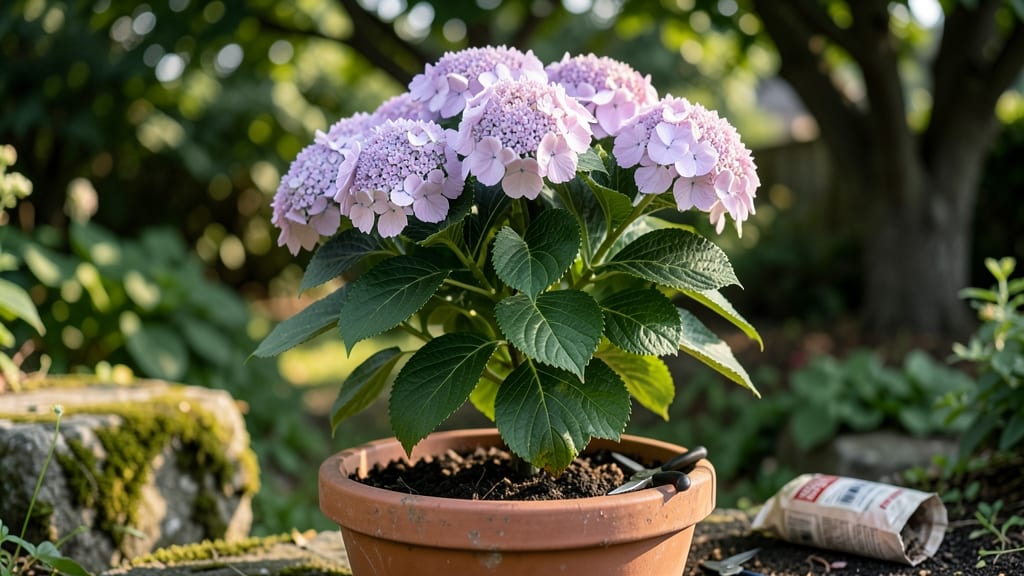
Shade hydrangeas thrive in Zone 7 climates with cold-resistant varieties like Oakleaf (Hydrangea quercifolia) and Bigleaf (Hydrangea macrophylla), which survive winters down to 0°F (-18°C) and produce vibrant blooms in dappled sunlight (2–6 hours daily). Proper fall mulching and late-winter pruning ensure healthy growth.
Zone 7 gardeners love these shade-tolerant hydrangeas because they handle the region's hot summers and cold winters exceptionally well.
The Oakleaf variety, for example, boasts stunning fall foliage in fiery reds and purples, while Bigleaf hydrangeas deliver those iconic mophead blooms in shades of blue, pink, or white. 🌿 What sets them apart is their ability to thrive in partial shade—ideal for spots under trees where other plants struggle.
I always recommend testing soil pH (aim for 5.5–6.5) and using a slow-release fertilizer in early spring to give them the best start.
For best results, plant in well-draining, slightly acidic soil and water deeply but infrequently—hydrangeas hate soggy roots. Mulching with 2–3 inches of organic material in late fall helps insulate roots during winter's chill.
And remember: pruning timing matters! Cut back Bigleaf varieties right after blooming, while Oakleaf types benefit from a light trim in late winter to shape their natural form.
💡 In This Article
- Best Cold-Hardy Shade Hydrangeas for Zone 7 Gardens
- Zone 7 Planting and Care Tips for Shade Hydrangeas
Best cold-hardy shade hydrangeas for Zone 7 gardens
Zone 7's climate—with its hot, humid summers and occasional winter dips below 0°F (-18°C)—demands hydrangeas with exceptional cold tolerance and adaptability. The Oakleaf hydrangea (Hydrangea quercifolia) stands out because its thick, lobed leaves resemble oak foliage and its bark develops a striking exfoliating pattern in winter.
What makes it thrive in Zone 7 is its ability to handle both heat stress and cold snaps, thanks to its deep root system that stores moisture and nutrients.
Its blooms appear in late spring, lasting through summer, while its fall foliage transforms into fiery oranges and reds—adding seasonal interest long after other varieties fade.
The Bigleaf hydrangea (Hydrangea macrophylla), including popular cultivars like 'Endless Summer' and 'Nikko Blue,' excels in Zone 7 because of its adaptability to partial shade and its ability to rebloom on old and new wood.
These varieties can survive winter temperatures down to -10°F (-23°C) when properly mulched, but their real advantage is their tolerance for brief summer heatwaves, which many shade plants struggle with.
The secret lies in their waxy leaf coating that reduces water loss during hot afternoons, while their extensive root systems seek out moisture in deeper soil layers. 🌸 For gardeners in Zone 7, this means fewer wilting leaves and more consistent blooms even in the dog days of summer.
Don't overlook Panicle hydrangeas (Hydrangea paniculata), like 'Limelight' or 'Little Lime,' which offer a different advantage: their cone-shaped blooms that start white and mature to pink or gold.
These varieties handle Zone 7's heat exceptionally well because their broad leaves have a higher stomatal density, allowing them to regulate temperature more efficiently. They also produce blooms on new wood, meaning you can prune them in late winter without sacrificing flowers. The trade-off?
They prefer slightly more sunlight (4–6 hours) than Oakleaf or Bigleaf types, making them ideal for edges of shade gardens where other varieties might struggle.
Here's what sets these varieties apart in Zone 7's climate:
- Oakleaf: Best for deep shade (3–6 hours sunlight) and fall color, with blooms that appear on old wood
- Bigleaf: Thrives in partial shade (2–4 hours sunlight) and reblooms when given proper care, ideal for containers
- Panicle: Handles more sun exposure (4–6 hours) and heat tolerance, perfect for borders and hedges
The key to their winter survival in Zone 7 is understanding how their growth habits interact with the climate. Oakleaf hydrangeas, for instance, enter dormancy earlier than Bigleaf varieties, which is why they handle sudden cold snaps better.
Meanwhile, Panicle types store energy in their roots during summer heat, giving them the resilience to push through early spring freezes. This seasonal timing is what allows all three to succeed where less hardy varieties would fail.
For gardeners in Zone 7, selecting the right variety isn't just about cold tolerance—it's about matching the plant's natural growth patterns to your specific microclimate.
A spot under a large oak tree might work perfectly for Oakleaf's deep shade needs, while a sunnier border could be ideal for Panicle's heat-loving nature. The beauty of these shade hydrangeas is their ability to transform challenging garden spaces into vibrant, low-maintenance focal points. 🌿