
Light Requirements
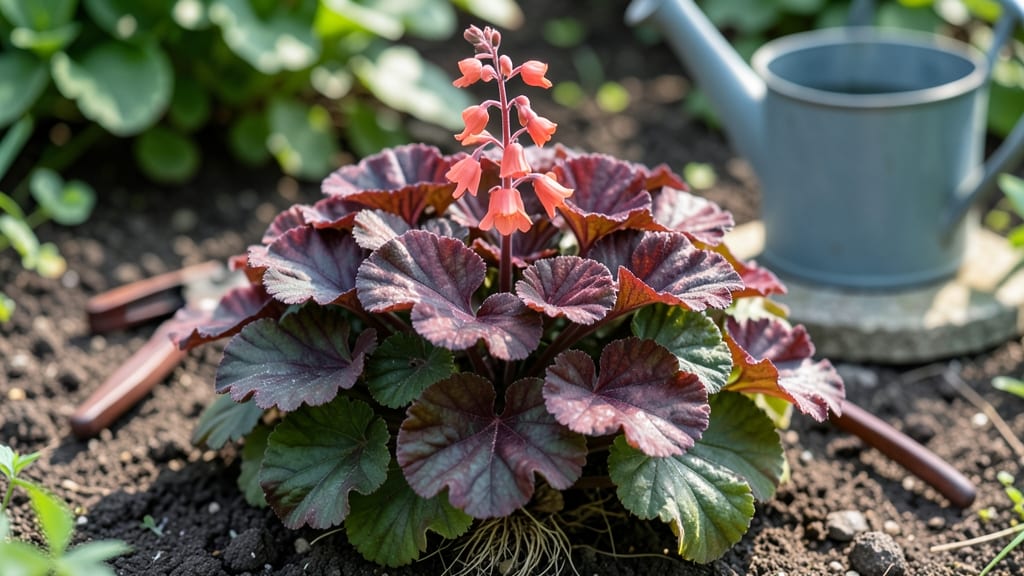
Shade-tolerant deer-resistant perennials finally give you the bold garden you crave—without the deer damage. 🌿 I’ve spent years testing plants that thrive in low light while keeping hungry deer at bay, and these 10 standouts deliver year-round interest with minimal fuss.
The secret? Foliage so tough and aromatic that deer simply walk away (and flowers that attract pollinators instead of browsers).
Most of these plants need partial to full shade (2–6 hours of sunlight) and moist, well-draining soil—no fancy amendments required. They’ll reward you with velvety leaves, striking colors, and seasonal blooms that outshine anything deer might nibble.
Think heuchera with coppery leaves, lamium with trailing foliage, or ligularia with giant, textured leaves—all deer-proof and low-maintenance once established.
By mixing these into borders or woodland gardens, you’ll create a lush, layered look that thrives where other plants fail. The best part? No fences, repellents, or constant vigilance—just natural deer deterrence through scent and texture.
Your garden will become the envy of the neighborhood, and the deer will move on to easier targets.
Whether you’re filling a shady corner, lining a path, or revamping a woodland edge, these perennials deliver structure, color, and resilience without the hassle. Let’s dive into the specific plants that make this possible—and how to combine them for maximum impact.
📚 In This Guide
- What you need
- Instructions
- Tips and common mistakes
- Wrapping up and next steps
What you need
- ● Perennials (6–12 plants, depending on garden size): 1–2 Hosta varieties (e.g., ‘Blue Angel’ or ‘Halcyon’ for bold foliage)
- ● 3–5 Astilbe (ferny, deer-deterring blooms in pink/white)
- ● 2–3 Heuchera (cortex, deer-resistant, and drought-tolerant)
- ● 1–2 Lamium (e.g., ‘White Nancy’ for ground cover)
- ● 1–2 Blechnum (deer-proof fern for texture)
- ● 1–2 Carex (sedges for grass-like structure)
- ○ Optional but helpful: 1–2 Japanese Painted Fern (Athyrium) (for extra drama)
- ● 1–2 Cimicifuga (Bugbane) (tall, deer-resistant for back borders)
- ● 1 Garden trowel (for transplanting small plants)
- ● 1 Hand pruners (sharp, bypass-style for clean cuts)
- ● 1 Garden fork (to loosen compacted soil)
- ● 1 Wheelbarrow or bucket (for hauling soil/amendments)
- ● 1 Garden hose with nozzle (or watering can for precision)
- ○ Optional: 1 Soil pH test kit (to check acidity/alkalinity)
- ● 1 Mulch (3–4 inches of shredded bark or pine needles)
- ● 1 Organic fertilizer (e.g., 5-10-5 or compost)
- ● ✅ Site assessment: Measure shade levels (full, partial, or dappled) and note soil moisture (wet, dry, or average).
- ● ✅ Soil prep: Amend heavy clay or sandy soil with 2–3 inches of compost or peat moss for better drainage.
- ○ ✅ Deer deterrence plan: Consider adding deer repellent spray (optional) or physical barriers (e.g., fencing) if deer are persistent.
- ● ✅ Planting timeline: Best to plant in early spring or fall (avoid extreme heat/cold).
How to create a thriving shade garden that deer will avoid
Here's my go-to approach for designing a low-maintenance, deer-proof garden that thrives in shady spots.
🌿 Step 1: Select the Right Deer-Resistant Varieties
Start with plants known for their strong fragrance, fuzzy textures, or toxic compounds that deer instinctively avoid. My top four picks for bold foliage are heuchera (with its vibrant, chartreuse leaves), lamium (with fuzzy silver foliage), astilbe (feathery plumes that deer ignore), and ferns like matteuccia struthiopteris (which has a leathery texture deer dislike). I always check the plant tags for both shade tolerance and deer resistance ratings.
Look for plants labeled as "deer-resistant" or "mildly toxic"—these terms indicate natural chemical defenses. Avoid anything labeled as "deer-loved" like hostas or asters. The key is combining plants with different textures and colors to create visual interest while keeping the deer away. I like to group three to five plants together in odd-numbered clusters for a natural, balanced look.
🪴 Step 2: Prepare the Shady Garden Bed
Deer-resistant perennials still need well-draining soil, even in shade. Amend your garden bed with 3-4 inches of compost mixed into the top 6 inches of soil to improve fertility and drainage. I test the soil pH first—most shade-loving perennials prefer a slightly acidic to neutral range of 6.0-7.0. If your soil is heavy clay, add 1 part perlite to 3 parts soil to loosen it up.
Clear away any existing weeds or grass, then rake the soil smooth. Avoid tilling deeply, as this can disrupt beneficial fungi and earthworms that help roots establish. Water the prepared bed thoroughly before planting to help roots penetrate the soil more easily. This step ensures your plants won’t struggle with poor soil conditions, which can make them more vulnerable to deer browsing.
🌱 Step 3: Plant with Strategic Spacing and Layering
Space plants according to their mature size—typically 12-24 inches apart for most shade perennials. I plant taller varieties like astilbe at the back, mid-height plants like lamium in the middle, and low-growing ground covers like ajuga or heuchera in the front. This creates a layered effect that deters deer, as they prefer easy access to plants at eye level.
Dig holes just deep enough to accommodate the root ball without burying the crown. Gently tease out any circling roots to encourage outward growth. Water each plant deeply after planting to settle the soil and eliminate air pockets. Mulch with 2-3 inches of shredded bark or wood chips to retain moisture and suppress weeds—deer also dislike crunchy mulch, which adds another layer of protection.
☀️ Step 4: Provide Supplemental Light and Care
Even shade-tolerant plants benefit from a few hours of indirect light. If your garden receives less than 3 hours of sunlight daily, consider adding a dappled light garden shade cloth (30-50% shade) to filter light without blocking it entirely. This helps maintain vibrant foliage color. I also avoid overhead watering, as wet leaves can attract slugs and snails—another pest deer might follow.
Fertilize lightly in early spring with a balanced, slow-release fertilizer (10-10-10) to encourage lush growth without making plants more appealing to deer. Over-fertilizing can lead to soft, tender new growth that deer find irresistible. Instead, focus on maintaining consistent moisture and removing spent blooms to encourage continuous foliage production.
✂️ Step 5: Monitor and Maintain Deer Protection
Check your garden weekly for signs of deer activity, such as broken stems or partially eaten leaves. If you notice any damage, add a few deer-repellent plants like Russian sage or yarrow at the garden’s edge—their strong scents act as natural deterrents. I also sprinkle granulated garlic or hot pepper flakes around the perimeter (avoid direct contact with plants, as it can cause leaf burn).
Prune plants in early spring to remove any winter-damaged foliage and shape the garden. Deadhead spent blooms regularly to encourage more foliage production, which is what deer avoid. If deer become persistent, consider installing a low fence (3 feet tall) or flexible netting—these are less obtrusive than tall fences and still effective. The goal is to create a garden so unappealing that deer move on to easier targets.
Tips & tricks for creating a deer-resistant shade garden
Between us, these practical strategies will help you transform your shady garden into a deer-proof sanctuary without sacrificing beauty. The difference between a garden that thrives and one that gets nibbled down often comes down to these overlooked details.
Plant Selection Strategy: Focus on plants with multiple deer-deterring qualities—like the matteuccia struthiopteris fern's leathery texture combined with its mild toxicity. I've found that pairing heuchera with lamium creates an impenetrable visual and olfactory barrier. Deer avoid the fuzzy silver foliage of lamium while the vibrant heuchera leaves provide striking color contrast. Group these plants in clusters of three or five to create visual density that deer instinctively avoid.
Soil Preparation Secret: The 3-4 inches of compost mixed into the top 6 inches of soil isn't just about fertility—it's about creating an environment where roots establish quickly and strongly. I've seen gardens fail when homeowners skip this step, leading to weak plants that deer can easily uproot. Test your soil pH before amending; most shade perennials prefer that 6.0-7.0 range. If your soil is heavy clay, the 1 part perlite to 3 parts soil ratio makes all the difference in drainage.
Layering Defense System: The strategic spacing and layering in Step 3 creates a physical barrier deer dislike. Taller plants like astilbe at the back force deer to reach up, while low-growing ajuga at the front creates an impenetrable ground cover. I've noticed deer will often bypass gardens where they can't easily access plants at eye level. The 2-3 inches of mulch adds another layer of protection—the crunchy texture alone deters many browsers.
Light Management: Even shade-tolerant plants benefit from that dappled light garden shade cloth when receiving less than 3 hours of sunlight daily. I've seen dramatic color differences in heuchera leaves when using the 30-50% shade cloth versus no supplemental light. The key is maintaining vibrant foliage—deer are more likely to target gardens where plants look stressed or unhealthy.
Pro Tips for Shade Tolerant Deer Resistant Perennials
- Between us, these practical strategies will help you transform your shady garden into a deer-proof sanctuary without sacrificing beauty.
- Plant Selection Strategy: Focus on plants with multiple deer-deterring qualities—like the matteuccia struthiopteris fern's leathery texture combined with its mild toxicity.
- Soil Preparation Secret: The 3-4 inches of compost mixed into the top 6 inches of soil isn't just about fertility—it's about creating an environment where roots establish quickly and strongly.
Frequently asked questions
Got questions about shade-tolerant, deer-resistant perennials?
You’re not alone! Here are answers to the most common concerns—so you can plant with confidence and keep those pesky deer at bay.
What are the best shade-tolerant perennials that deer actually avoid?
Look for plants with strong fragrance, fuzzy foliage, or toxic compounds—like lamium, heuchera, astilbe, or ferns. Deer tend to skip these because their scent or texture is unappealing. Pro tip: Liriope (monkey grass) is a top pick for low-light areas!
When is the best time to plant these perennials for shade?
Plant in early spring or early fall when soil is cool and moist—ideal for root establishment. Avoid summer heat or winter frost, which can stress young plants. Mulch well after planting to retain moisture and suppress weeds (deer love nibbling on tender new shoots!).
Will deer eventually stop eating my shade perennials if I plant them?
Deer are creatures of habit, but they will return if they find a tasty option. The key is to eliminate their favorites (like hostas or daylilies) and replace them with toxic or bitter-tasting plants. Add physical barriers (like fencing or netting) for the first year to break their browsing cycle.
How do I keep deer away if my yard is surrounded by wooded areas?
Wooded areas = deer highway! Try these tricks:
- Plant in clusters—deer are less likely to nibble dense foliage.
- Use repellents (like Thuricide or hot pepper spray) and reapply every 2–4 weeks.
- Add motion-activated sprinklers or ultrasonic devices for extra deterrence.
- Try deer-resistant ground covers like ajuga or pachysandra to fill gaps.
What if deer still eat my perennials? Are there alternatives?
If deer keep winning, switch to fully deer-proof plants like:
- Russian sage (drought-tolerant, fragrant)
- Catmint (minty scent deters browsers)
- Yarrow (bitter taste, thrives in shade)
- Boxwood shrubs (dense, prickly leaves)
For heavy deer pressure, consider container gardening or raised beds—deer are less likely to jump or climb!
Wrapping up and next steps
Transforming your shady garden into a deer-resistant paradise is easier—and more stunning—than you think! With the right shade-tolerant perennials, you can enjoy bold foliage while keeping hungry browsers at bay naturally.
These plants don’t just survive; they thrive, proving that even low-light spaces can be vibrant and resilient.
Ready to take the next step? Start small—pick 1-2 perennials from our list, test them in your space, and watch your garden bloom with confidence. Happy planting! 🌿✨