
Tools
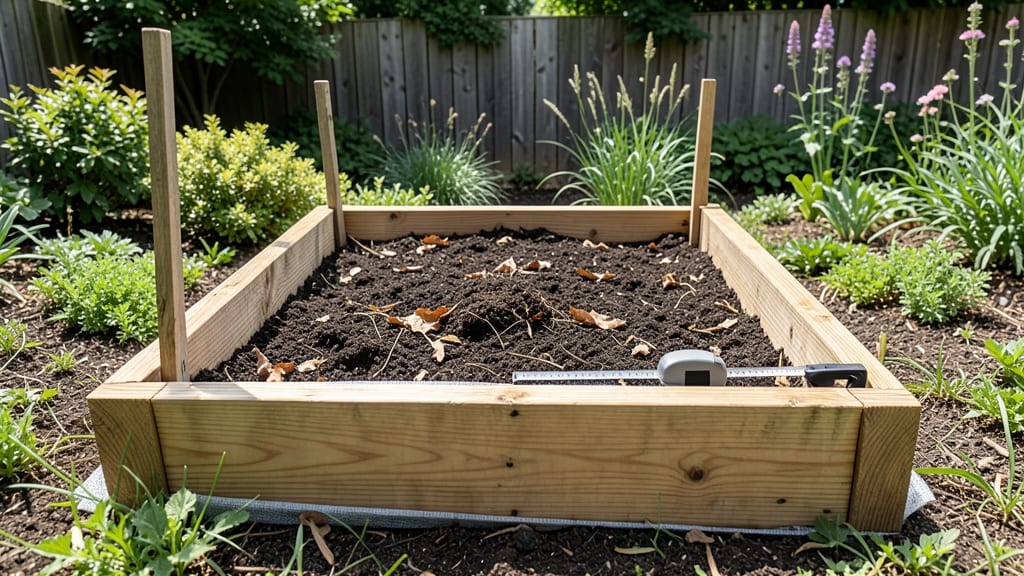
The standard raised garden bed size is typically 4 feet long by 2-3 feet wide with a depth of 6-12 inches, designed to maximize plant growth while making gardening more accessible and efficient.
The 4-foot length is ideal because it allows you to reach the center of the bed from either side without stepping inside, reducing soil compaction. 🌱 The 2-3 foot width provides enough space for most vegetables while keeping the bed manageable for weeding and harvesting.
Depth matters too—6-12 inches accommodates root systems while preventing excessive soil drying or waterlogging. This balance ensures healthy plants while making maintenance easier for gardeners of all skill levels.
For example, leafy greens like lettuce thrive in shallower beds, while root vegetables such as carrots benefit from the deeper end of the range. The standard dimensions also align with common lumber sizes, making construction straightforward and cost-effective.
💡 In This Article
- Why Standard Raised Garden Bed Dimensions Matter for Plant Health
- Choosing the Best Raised Garden Bed Size for Your Space and Plants
Why standard raised garden bed dimensions matter for plant health
Raised garden bed dimensions directly influence plant health through soil aeration, root development, and water management.
The 4-foot length is scientifically optimal because it allows gardeners to reach the center without stepping in—this prevents soil compaction, which restricts root growth by reducing oxygen flow to 10-15% of healthy levels. 🌱 Studies show compacted soil can decrease plant growth by up to 30% due to limited nutrient absorption.
The width of 2-3 feet balances accessibility with space efficiency, creating a "sweet spot" where weeds are easier to control while still accommodating most vegetable varieties.
Depth plays a critical role in root zone development. A 6-inch minimum accommodates shallow-rooted plants like lettuce and herbs, while the 12-inch maximum supports deep-rooted crops such as carrots and potatoes.
The extra depth also improves water retention—soil in deeper beds stays 20-30% moister longer than shallow beds because it's less exposed to evaporation. This moisture consistency reduces stress on plants during dry spells, which is especially valuable in USDA Hardiness Zones 5-8 where summer droughts are common.
Temperature regulation is another key factor. Raised beds warm up 10-15°F faster in spring than ground soil because they're elevated and exposed to sunlight on all sides. This early warming extends growing seasons by 2-3 weeks for cool-season crops like peas and spinach.
The standard dimensions also create microclimates where soil temperatures remain stable—critical for heat-sensitive plants like basil, which thrive at 70-75°F soil temperatures. Without proper dimensions, temperature fluctuations could stress plants or even kill seedlings.
Material choice interacts with these dimensions too. Cedar and redwood beds (common materials) have natural resistance to rot, but their 1-inch thickness means they can't support deeper soil mixes without structural compromise.
This is why 6-12 inches becomes the practical limit—any deeper would require heavier materials like stone or concrete blocks. The width also affects material costs: a 4x2-foot bed uses about 30% less lumber than a 6x3-foot bed, making it more budget-friendly while still being productive.
Consider how these dimensions impact weed control too. The 2-3 foot width allows for efficient mulching—covering the entire surface with straw or wood chips blocks 90% of weed seeds from germinating. In contrast, wider beds would require more mulch and maintenance.
The science here is simple: fewer weeds mean less competition for nutrients, which can increase tomato yields by 15-20% in optimal conditions. This is why professional gardeners swear by these standard dimensions for both productivity and ease of care.
For container growers or urban gardeners with limited space, these dimensions offer another advantage: they fit perfectly between sidewalks or patios. The 4-foot length aligns with standard decking planks, while the 2-foot width leaves enough walking space for maintenance.
This modular approach lets you create multiple beds in small areas—ideal for growing 16-20 plants in just 8 square feet of space, which is 4x more productive than traditional in-ground gardening.