
Companion Plants
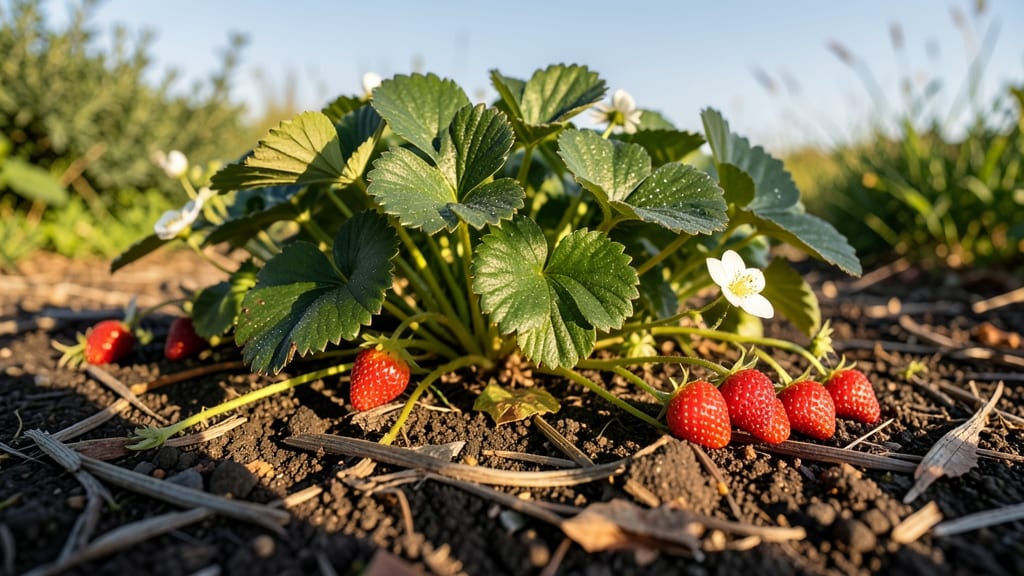
Strawberry plants thrive best in full sun or partial shade, but getting the balance right can make or break your harvest.
Struggling to decide whether your 🍓 plants need full sun or can tolerate shade? Get it wrong, and you could end up with fewer berries—or none at all. The right light conditions are the secret to lush foliage and a bountiful harvest.
Most varieties crave at least 6 hours of sunlight daily, but shade can be a lifesaver in scorching climates like Zone 6a. Everbearing types, for example, handle partial shade better than June-bearing ones, which demand full sun for peak production.
In this guide, I’ll break down how much sun your strawberries truly need, which varieties adapt to shade, and how to tweak care—whether you’re growing in containers or in-ground—to maximize fruit without scorching the leaves.
 Best Window Placement
How much sun do strawberry plants need for optimal growth?
Strawberries are one of those sun-loving plants that reward you with sweet fruit when given the right conditions. While they can tolerate some shade, 6 to 10 hours of sunlight daily is ideal for maximizing both plant health and berry production.
Without enough light, your plants may produce fewer fruits—or none at all—and could become leggy or weak.
In my experience, the best strawberry growth happens when plants receive morning sun and afternoon shade in hot climates like USDA Zone 8 or higher. This balance prevents leaf scorch while still providing the energy needed for fruit development.
Let’s break down exactly how much sun your strawberries need and how to adjust care based on your local climate.
| Sunlight Requirement | Ideal Hours | Notes |
|---|---|---|
| Full Sun | 6–10 hours | Best for maximum fruit production; use afternoon shade in hot climates. |
| Partial Shade | 3–6 hours | Tolerated by some varieties; reduces yield and sweetness. |
| Deep Shade | Less than 3 hours | Poor growth; minimal to no fruit; avoid for best results. |
| Hot Climates (Zones 8-11) | 4–6 hours | Morning sun + afternoon shade prevents leaf burn. |
For most strawberry varieties, 6 hours of direct sunlight is the absolute minimum to ensure any fruit production at all. However, if you’re growing everbearing or day-neutral varieties, they can handle slightly less light—around 4 to 6 hours—but expect smaller berries and fewer yields.
In my garden, I’ve noticed that June-bearing strawberries absolutely thrive with 8+ hours of sun and produce the largest, sweetest berries.
If you live in a cooler climate like USDA Zone 5 or 6, your strawberries can handle full sun all day long without risk of scorching.
But in hotter regions, like Zone 9 or 10, providing afternoon shade with a lightweight shade cloth (30-50%) can make a huge difference. This prevents the leaves from turning yellow or crispy while still allowing enough light for fruit development.
One of the first signs your strawberries aren’t getting enough sun is long, leggy stems with sparse leaves. The plant will stretch toward any available light, and the berries that do form will be small and tart.
On the flip side, over-exposure to midday sun in hot climates causes leaf scorch, where the edges of the leaves turn brown and crispy. If you notice this, move your plants to a spot with afternoon shade or use a drip irrigation system to keep the leaves cool.
Container-grown strawberries have different sunlight needs than those planted in the ground. Since pots heat up faster, they often need more frequent watering and may benefit from afternoon shade in hot weather. I’ve found that placing containers on a patio with morning sun and afternoon shade works best.
If you’re growing strawberries in containers, rotate them every few days to ensure even sun exposure on all sides.
Another trick I’ve used is to mulch heavily around strawberry plants to keep the soil cool and retain moisture. A 2-3 inch layer of straw or wood chips helps regulate soil temperature, which is especially helpful in hot, dry climates.
This also reduces the risk of fruit rot, a common issue when berries sit on damp, overheated soil.
If you’re unsure whether your garden gets enough sun, try this simple test: Place a white piece of cardboard on the soil where you plan to plant. Mark the edges of the sun’s shadow every hour for a full day.
If the shaded area is larger than 6 hours, you’ll need to find a sunnier spot or consider shade-tolerant varieties like ‘Albion’ or ‘Seascape’, which handle partial shade better than others.
Remember, strawberries need sunlight for photosynthesis, which fuels both leaf growth and fruit production. Without enough light, your plants will focus energy on survival rather than bearing sweet, juicy berries.
By giving them the right amount of sun—and adjusting for your climate—you’ll set yourself up for a bountiful harvest all season long. 🍓☀️
Can strawberry plants grow in shade? What happens when light is limited?
Strawberries thrive in full sun, but many gardeners wonder if they can survive—or even produce fruit—in shadier spots. The short answer? Yes, but with trade-offs.
While 6+ hours of sunlight yields the best harvest, some varieties tolerate partial shade, especially in hot climates where afternoon sun can scorch leaves.
When light is limited, strawberry plants prioritize leaf growth over fruit production. This means fewer berries, but with the right care, you can still enjoy a modest harvest. Morning sun exposure is ideal for shade-grown plants, as it provides energy without overheating the foliage.
⚠️ WARNING: Shade Reduces Yield ⚠️ Strawberries in deep shade (less than 4 hours of sun) may produce small, tart berries or none at all. Leafy growth will flourish, but fruit development suffers due to limited photosynthesis.
If your garden has dense tree canopies or north-facing walls, consider shade-tolerant varieties or container gardening near a sunny window.
To maximize results in shady conditions, choose day-neutral varieties like 'Albion' or 'Seascape,' which produce fruit continuously and adapt better to lower light. These types focus energy on fruit rather than leaves, improving your chances of a decent yield.
Position plants near the southern edge of shade to capture reflected light from nearby structures or lawns. Raised beds in partial shade also warm up faster, giving plants a slight advantage. Reflective mulches, like white gravel or aluminum foil, can redirect sunlight to the base of plants.
Boost growth with organic compost and balanced fertilizer (10-10-10) to compensate for limited sunlight. Avoid over-fertilizing nitrogen, which promotes leafy growth at the expense of fruit. Water consistently—shade-grown plants dry out slower but still need 1 inch of water per week.
If all else fails, consider container gardening near a sunny window or balcony. Dwarf varieties like 'Tristar' or 'Mignonette' thrive in pots with 6+ hours of indirect light. With patience and the right variety, you can still enjoy homegrown strawberries—even in shady spots! 🍓