
Light Requirements
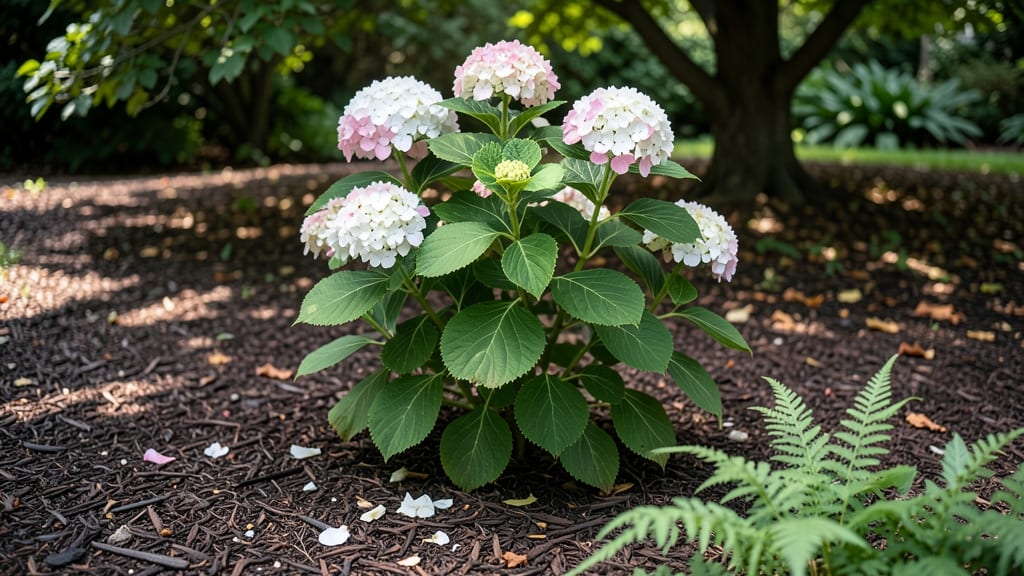
Texas full shade plants prove that even the darkest corners can stay lush and green year-round. 🌿 I’ve spent years testing shade-loving varieties in my North Texas garden, and these are the ones that actually thrive—no wilting, no yellowing, just steady, reliable growth even under the thickest oaks or fences.
The secret isn’t just picking the right plants—it’s prepping the soil right. Texas clay needs amending with compost or organic matter to improve drainage and moisture retention.
Once established, many of these plants handle our dry spells better than you’d expect, especially the natives like Eastern red columbine or Virginia sweetspire.
You’ll end up with a shade garden that stays vibrant through summer’s heat and winter’s chill. The foliage provides texture, the flowers add bursts of color, and the best part? These plants need minimal fuss once they’re settled in—just consistent watering until roots take hold.
Works for urban yards, woodland edges, or even those tricky north-facing spots where nothing else survives. Let’s get your shade garden thriving without the guesswork!
📚 In This Guide
- What you need
- Instructions
- Tips and common mistakes
- Wrapping up and next steps
What you need
- ● Full shade-tolerant plants: 3–5 mature specimens (e.g., Oakleaf Hydrangea, Japanese Fern, or Texas Betony). Choose based on your soil type (clay, sandy, or loamy).
- ● High-quality potting soil or amended native soil: 1–2 cubic yards (mix with 20% compost for nutrient-rich soil).
- ● Organic mulch (shredded bark or pine straw): 2–3 inches thick (covers 10 sq ft per bag).
- ● Slow-release fertilizer (10-10-10 or organic option): 1 lb per 100 sq ft of planting area.
- ● Garden gloves & knee pads: 1 pair each (for comfort and protection).
- ● Watering can or hose with a gentle spray nozzle: 1 (for delicate root systems).
- ● Hand trowel or transplant spade: 1 (6–8" depth for easy digging).
- ○ Garden fork (optional for clay soil): 1 (breaks up compacted soil).
- ● Measuring tape: 1 (to space plants 18–36" apart).
- ● Pruners (sterilized): 1 pair (for trimming dead foliage post-planting).
- ● Wheelbarrow or bucket: 1 (for hauling soil/mulch).
- ● Test your soil’s pH (6.0–7.0 ideal)—use a kit or send a sample to your Texas A&M AgriLife Extension.
- ● Check for adequate drainage—avoid areas where water pools for >24 hours.
- ● Schedule planting for early spring or fall (avoid Texas summers’ extreme heat).
- ○ Optional: Install a drip irrigation system (saves time and ensures consistent moisture).
How to select and plant Texas full shade plants for lush year-round greenery
Here's my foolproof approach to transforming dark corners into thriving, low-maintenance plant havens.
🌿 Step 1: Choose Native or Adapted Full Shade Plants
Texas' humid summers and mild winters demand shade plants that thrive without fuss. Start with native Texas plants like Mexican petunia (Ruellia brittoniana) or Texas betony (Stachys coccinea)—they're bred to handle our heat and humidity. For year-round color, add impatiens (annuals) or heuchera (perennials) for texture and foliage variety.
I always check the USDA Hardiness Zone 8a-9a range for any new plant—this ensures it won’t bolt in our summers or freeze in our winters. Avoid tropical plants like calatheas; they’ll crisp at our first frost. Instead, opt for cast iron plant (Aspidistra elatior) or frogfruit (Phyla nodiflora)—they’re tough enough to outlast Texas’ toughest shade spots.
🪴 Step 2: Prepare the Soil for Optimal Drainage
Texas clay soil drains poorly and bakes hard in summer. Amend it with 2-3 inches of organic compost mixed into the top 12 inches of soil. For containers, use a well-draining potting mix (like a 50/50 blend of peat moss and perlite) to prevent root rot—a common killer in our humidity.
Test your soil’s moisture retention by squeezing a handful. If it stays clumped like wet clay, add more perlite or coarse sand. I like to top-dress with 1-2 inches of mulch (like pine bark fines) to keep roots cool and moisture consistent. This prevents the soil from drying out too quickly or staying soggy during our occasional downpours.
☀️ Step 3: Plant in Proper Shade Conditions
Texas full shade means less than 3 hours of direct sun daily, but not all shade is equal. Dappled shade (filtering sunlight through trees) suits most plants, while deep shade (under dense canopies) limits options to only the toughest species like sword fern (Nephrolepis exaltata) or Japanese painted fern (Athyrium niponicum var. pictum).
Plant in early spring or fall to avoid stress from summer heat or winter cold. Space plants 12-18 inches apart for airflow—critical in Texas’ humidity to prevent fungal diseases. Water deeply once a week (or more in summer) until the soil feels 2-3 inches moist—stick your finger in to check. Overwatering is just as deadly as underwatering in our climate.
💧 Step 4: Maintain with Minimal Effort
Once established, most Texas shade plants need very little care. Fertilize lightly in early spring with a balanced, slow-release fertilizer (like 10-10-10) to encourage new growth. Avoid heavy feeding—shade plants grow slowly and don’t need much extra nutrition.
Watch for yellowing leaves, a sign of overwatering or poor drainage. If you see white powdery spots, it’s likely powdery mildew—spray with neem oil and improve airflow by trimming nearby foliage. Deadhead spent blooms on plants like heuchera or impatiens to encourage more flowers, but skip pruning until late winter to avoid cutting back into old growth.
⏰ Step 5: Plan for Year-Round Interest
Layer plants by height and bloom time for continuous color. Start with tall backdrops like sword fern (3-4 feet) or cast iron plant (2-3 feet), then add mid-height foliage like heuchera (1-2 feet) or Mexican petunia (1-2 feet). Fill gaps with ground covers like frogfruit or creeping jenkins (Sarcococca confusa) for winter interest.
In summer, water in the early morning to reduce evaporation and fungal risks. In winter, reduce watering—most shade plants enter dormancy and need less moisture. A light mulch layer (1-2 inches) keeps roots insulated from temperature swings. This strategy keeps your shade garden lush, colorful, and completely self-sufficient through all four seasons.
Tips & tricks for perfect Texas full shade plantings
Here's what I learned after years of trial and error—these tricks will help your shade garden thrive with minimal fuss.
Plant Selection Strategy: In Step 1, when choosing plants, I always look for those with broad leaves like Mexican petunia or cast iron plant—they handle Texas' humidity better than narrow-leaf varieties. For deep shade areas (less than 3 hours of sun), prioritize Japanese painted fern or sword fern—they're the toughest performers under dense canopies. I've found that native Texas plants like Texas betony actually thrive in our summers when others struggle.
Soil Prep Hack: For Step 2's soil prep, don't just mix compost into the top 2-3 inches—dig deeper! The 12-inch deep amendment is crucial because Texas clay compacts easily. I like to add coarse sand (about 1 part to 3 parts soil) to improve drainage without making the soil too gritty. This prevents that classic Texas problem of roots suffocating in heavy, wet clay during our summer downpours.
Planting Timing: Step 3's timing advice about early spring or fall planting is golden, but here's the secret: late February or early March works too if you're in Zone 8a-9a. The key is getting plants in the ground before the brutal summer heat arrives. I always check soil temps—if they're above 70°F, wait a few more weeks. For containers, you can plant anytime, but they'll need more frequent watering during summer heatwaves.
Maintenance Shortcut: In Step 4, when it comes to fertilizing, I've found that half the recommended amount of that 10-10-10 fertilizer works just as well for shade plants. They grow slowly and don't need much nutrition. For mulch, I use pine bark fines because it breaks down slowly and improves soil structure over time. The 1-2 inch layer mentioned is perfect—it keeps roots cool while preventing soil crusting from heavy summer rains.
Pro Tips for Texas Full Shade Plants
- Here's what I learned after years of trial and error—these tricks will help your shade garden thrive with minimal fuss.
- Plant Selection Strategy: In Step 1, when choosing plants, I always look for those with broad leaves like Mexican petunia or cast iron plant—they handle Texas' humidity better than narrow-leaf varieties.
- Soil Prep Hack: For Step 2's soil prep, don't just mix compost into the top 2-3 inches—dig deeper!
Frequently asked questions
about Texas full shade plants—because even the shadiest spots deserve a little clarity!What are the toughest full-shade plants for Texas that actually thrive year-round?
Texas’ heat and humidity demand resilient picks. Top performers include Oakleaf Hydrangea (drought-tolerant once established), Japanese Fern (handles humidity), and Cast Iron Plant (nearly indestructible). For ground cover, try Liriope or Sweet Woodruff—both love shade and Texas’ soil.
How long does it take for full-shade plants to establish in Texas’ climate?
Most shade-loving plants take 1–2 years to fully establish, but Texas’ heat speeds up the process. Water deeply 2–3 times weekly the first year, then taper to once weekly (or during droughts). Mulch with 2–3 inches of organic matter to retain moisture and cool roots—critical in summer!
Why do some full-shade plants in Texas turn yellow or wilt despite getting enough water?
Yellowing or wilting often signals root rot (from overwatering) or nutrient deficiency. Check soil drainage—Texas clay can trap moisture. Amend with compost or sand if compacted. For yellow leaves, test soil pH (aim for 6.0–7.0) and fertilize lightly with iron or nitrogen in early spring.
Can I mix full-shade plants with partial-shade varieties in the same bed?
Yes! Layer plants by height and light needs. Place deep-shade lovers (e.g., Ferns, Hosta) at the back, partial-shade tolerators (e.g., Impatiens, Begonias) in the middle, and sun-tolerant ground covers (e.g., Liriope) in front. Just ensure the deep-shade plants get ≤3 hours of sunlight daily—otherwise, they’ll struggle.
What’s the best time to prune full-shade plants in Texas?
Prune after flowering (late spring/early summer) for most plants, but never in fall or winter—Texas’ cold snaps can stress newly cut plants. For evergreens like Boxwoods or Holly, prune lightly in early spring to shape. Always use sterilized shears to prevent disease spread!
Are there any full-shade plants that also attract pollinators to Texas gardens?
Opt for Shade-loving bloomers like Columbine, Bleeding Heart, or Japanese Painted Fern (which draws butterflies). For hummingbirds, Fuchsia or Impatiens thrive in dappled shade. Even non-flowering plants like Coral Bells (Heuchera) add texture and support pollinator-friendly ground covers.
Wrapping up and next steps
Transforming your Texas shade garden into a lush, year-round oasis is totally achievable with the right full-shade plants!
From hardy ferns to vibrant hostas and drought-tolerant options like Cast iron plant, these beauties thrive where others falter. 🌿✨ Whether you're a seasoned gardener or just starting, your darkest corners now have endless potential—so roll up your sleeves and get planting!
Next step: Pick 1-2 plants from this list, check your soil’s moisture level, and start small. Before you know it, your shade garden will be the envy of the neighborhood!