
Tools
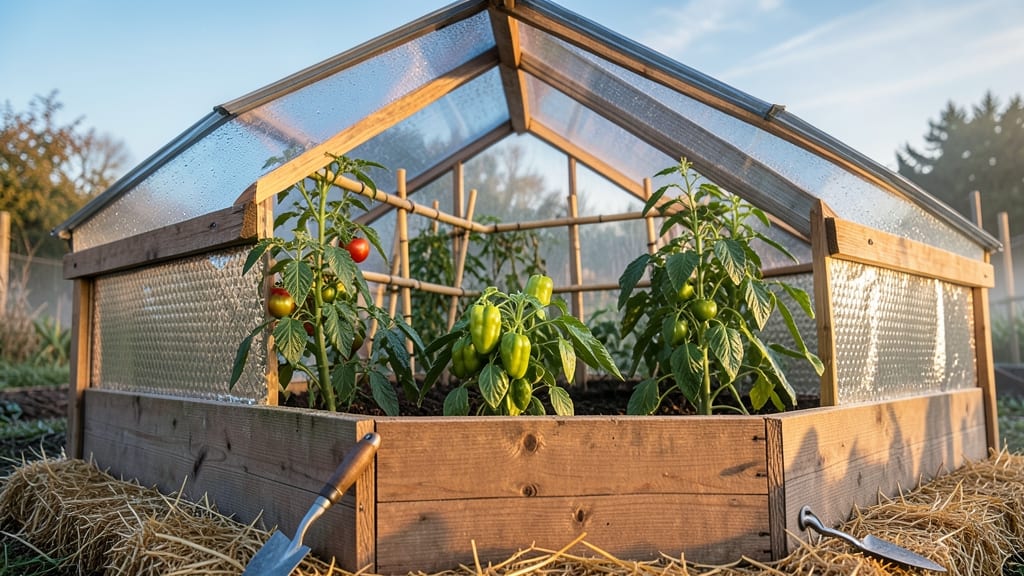
Maximizing a small yard? These 10 vegetable garden bed layouts prove that limited space doesn’t mean limited harvests. Each design optimizes sunlight, soil, and companion planting to help you grow more in less room—perfect for urban gardeners and suburban homesteaders alike.
Square Foot Gardening Grid Layout
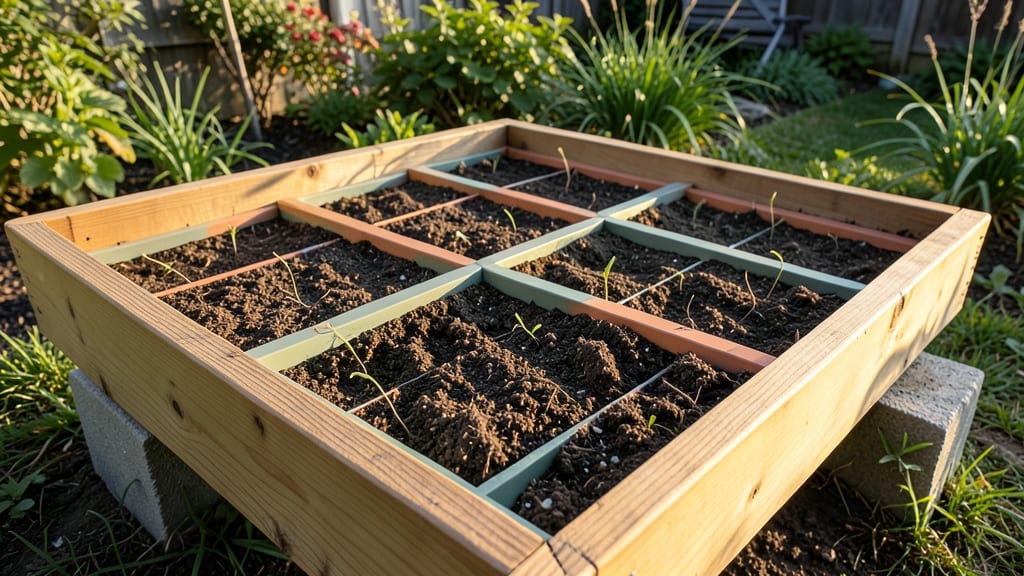
Struggling to fit a garden into a postage-stamp-sized yard? The square foot gardening grid layout turns even the smallest space into a high-yield harvest zone by dividing beds into 1-foot squares. This system eliminates wasted space while giving you the precision to plant exactly what you need—no more overcrowding or guessing about spacing!
Each square holds a specific number of plants based on their mature size (e.g., 16 lettuce per square vs. 1 tomato plant). The grid also makes crop rotation effortless—just swap plant families each season to prevent soil depletion. Perfect for leafy greens, herbs, and radishes, this layout lets you grow double the harvest in half the space compared to traditional rows.
Beginners will love how this method simplifies planning—just grab a planting chart and follow the squares. It’s the ultimate solution for balcony gardens, patio containers, or urban plots where every inch counts. 🌱
Vertical Trellis Tower Garden
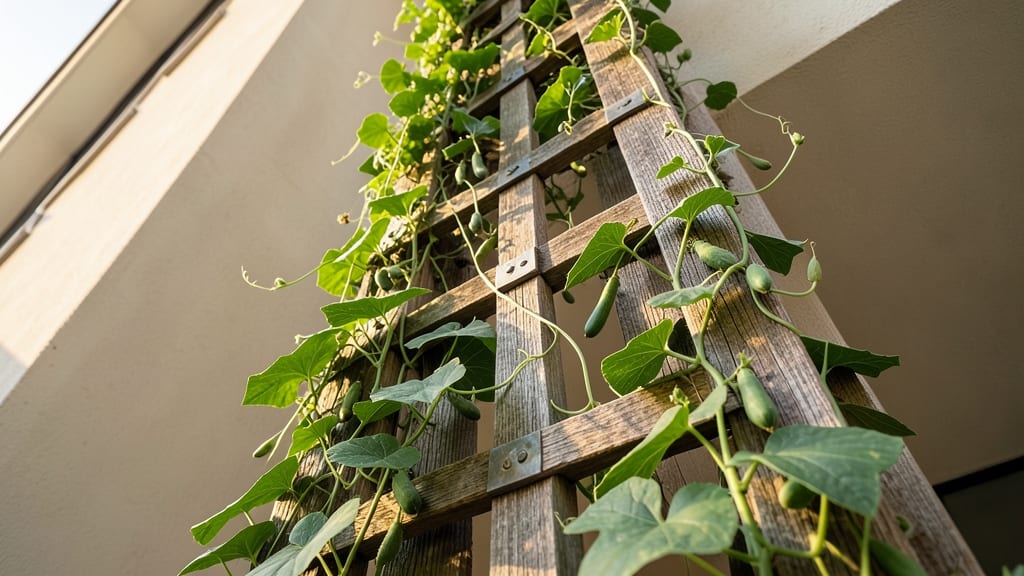
Turn your blank balcony wall into a high-yield garden with a vertical trellis tower—perfect for growing cucumbers, pole beans, and peas in tight spaces. This design maximizes upward growth, saving precious ground real estate while producing abundant harvests. A simple wooden frame with sturdy trellis netting or twine creates the perfect structure for vining plants to climb and thrive.
Start by installing your trellis in a sunny spot where it can receive at least 6 hours of direct sunlight daily. Plant fast-growing pole beans at the base for early shade, then add cucumbers and peas as they mature. Water consistently at the base to encourage strong root growth, and prune regularly to keep vines guided upward. This system works beautifully in urban containers or directly mounted to walls, making it ideal for renters or small-space gardeners.
For those with limited square footage, a vertical trellis tower is a game-changer—it turns wasted wall space into a productive, lush garden that yields more food with less footprint. 🌱
Keyhole Garden Bed Design
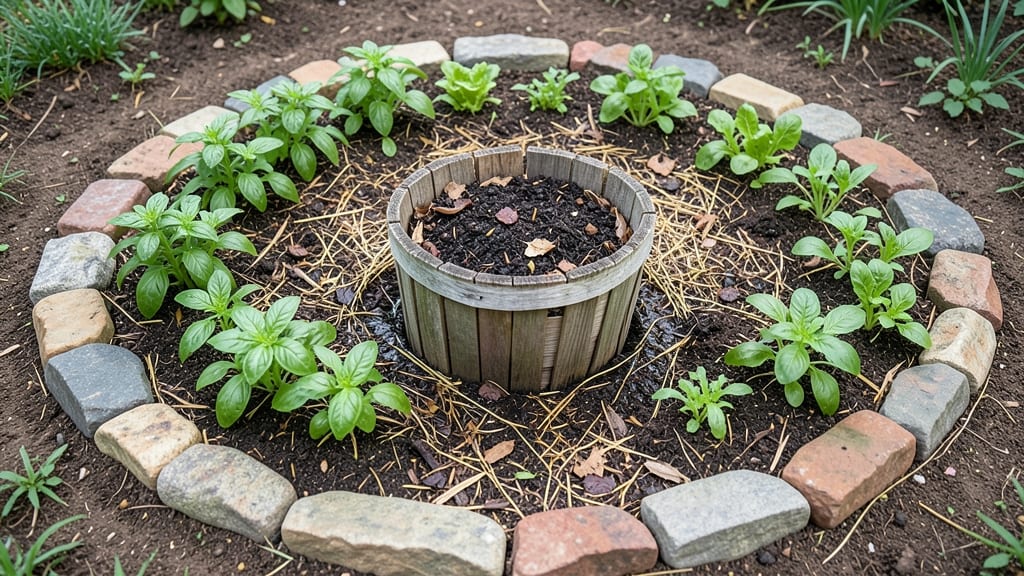
Tired of watering your garden every day? The keyhole garden bed design turns watering into a set-it-and-forget-it task while saving space. This circular layout features a central compost basket that slowly releases moisture to surrounding plants, keeping roots hydrated for weeks.
Build your bed with a 3-foot diameter for easy access, using bricks, stones, or logs to create the circular frame. Fill with a mix of compost, topsoil, and organic matter, then plant drought-tolerant vegetables like tomatoes, peppers, and herbs around the edge. The compost basket at the center acts as both a nutrient source and a slow-release water reservoir—perfect for arid climates or busy gardeners.
This design thrives in areas with limited water access, making it ideal for urban gardeners or those with water restrictions. Plus, the circular shape eliminates wasted space between rows, giving you more growing area in less footprint. 💚
Raised Bed Spiral Layout
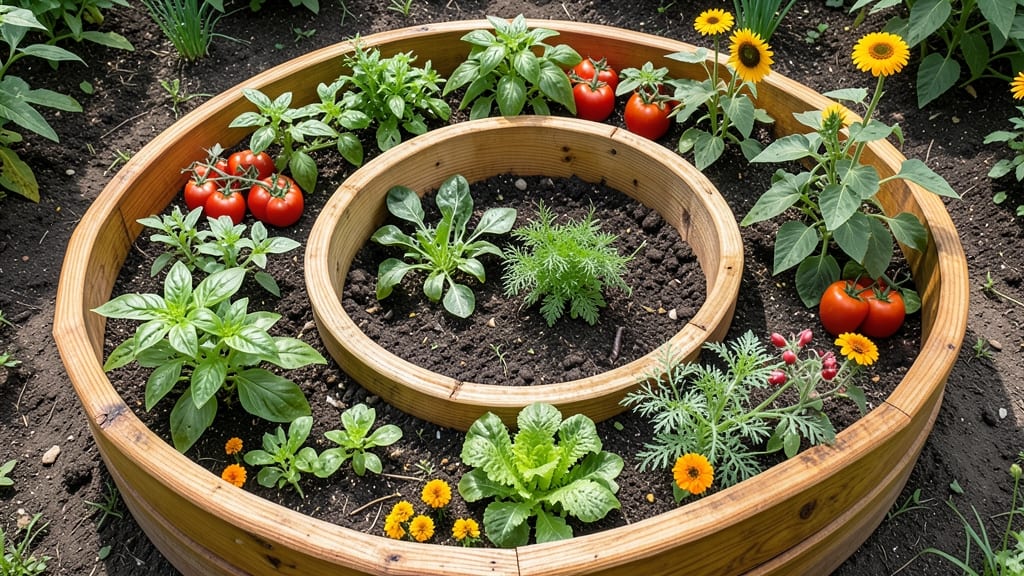
Want to grow more in less space while naturally controlling pests? The raised bed spiral layout turns your small plot into a thriving ecosystem by combining companion planting with microclimates in a single spiral design. This isn’t just another circle—it’s a strategic spiral that places sun-loving plants on the outer edges and moisture-retentive crops toward the center.
Start by building a raised bed with a sunny outer ring for heat-loving crops like tomatoes and peppers, then spiral inward with partial-shade plants such as lettuce and spinach. Add pest-repelling flowers like marigolds or nasturtiums between vegetables to deter aphids and cabbage moths. The spiral’s natural gradient also creates gentle slopes for better drainage, reducing water waste. Perfect for urban gardeners or anyone with limited space, this layout maximizes biodiversity while keeping maintenance simple.
This design is especially rewarding for small-space gardeners who love permaculture principles. The spiral’s compact form lets you grow 20+ varieties in just a few square feet, all while creating a visually stunning, self-sustaining garden. 🌿
Hügelkultur Mound Gardening
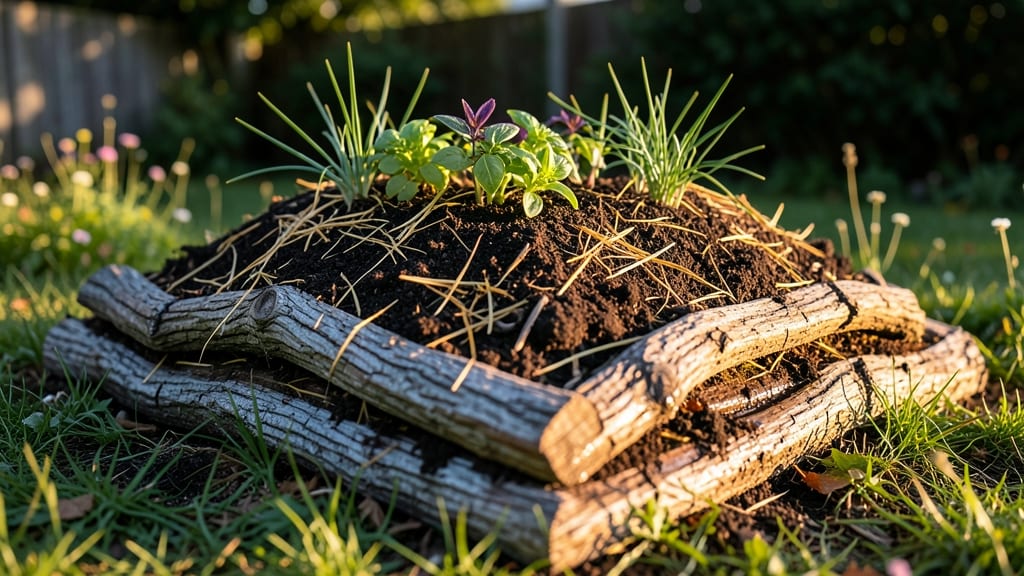
Want a vegetable garden that thrives with less watering and fertilizing? Hügelkultur mound gardening turns waste wood and compost into a self-sustaining, nutrient-rich growing system that keeps soil warm longer and retains moisture for months.
Start by layering branches, logs, and compost in a long mound (3-4 feet tall), then top with 12-18 inches of soil. Plant potatoes, strawberries, and cold-hardy greens directly into the mound—these crops thrive in the slow-release nutrients as the wood decomposes. The design naturally insulates roots from frost, extending your growing season by 4-6 weeks in cold climates.
Perfect for gardeners who want to reduce chores while creating a low-maintenance, eco-friendly bed. It’s especially rewarding for those in Zone 3-5 or anyone eager to cut back on irrigation. 🌱
Interplanting Succession Crops
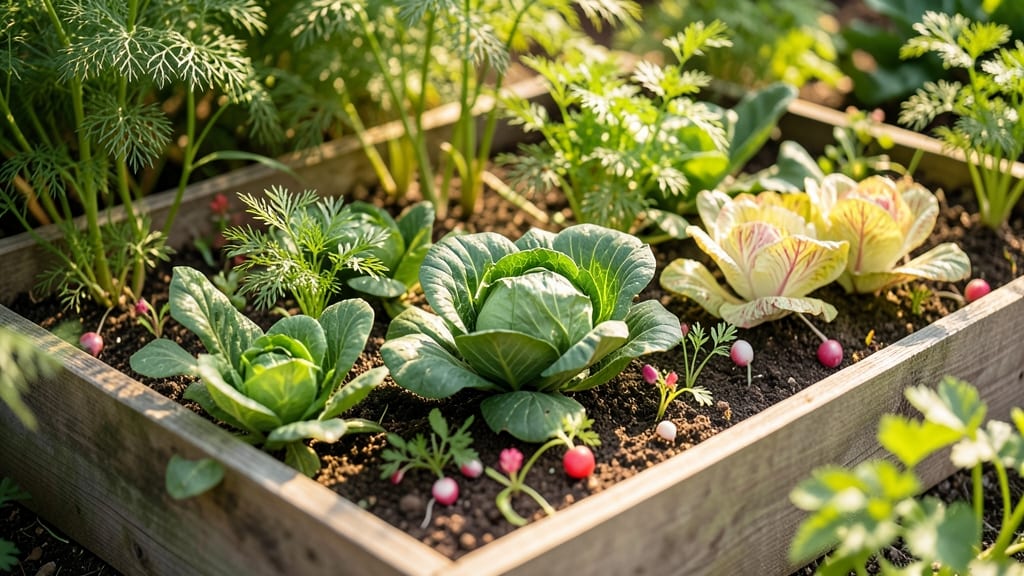
Tired of empty garden beds while waiting for slow-growing crops to mature? Interplanting succession crops is the secret to a nonstop harvest—no wasted space, just continuous bounty. This technique layers fast growers like radishes or lettuce between slower crops such as carrots or cabbage, ensuring your bed stays productive from spring to fall.
Start by planting radishes (30 days to harvest) alongside carrots (60+ days). Once the radishes are harvested, the carrots have plenty of room to spread. For summer, try bush beans (50 days) with lettuce—beans fix nitrogen in the soil while the lettuce provides shade. Mulch between rows to suppress weeds and retain moisture, making maintenance a breeze.
This method is a game-changer for small-space gardeners or anyone craving fresh produce without the downtime. With careful planning, you’ll enjoy year-round harvests from the same square footage. 🌱
Container Stacking System
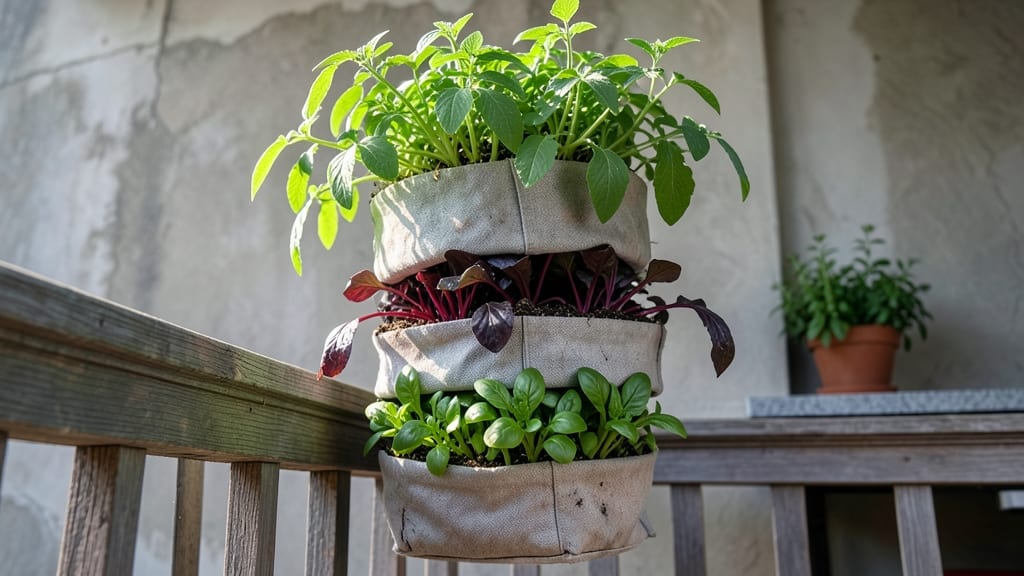
Renting an apartment or short on ground space? A container stacking system lets you grow potatoes, beets, and greens in vertical layers without sacrificing your harvest. This clever setup turns limited square footage into a productive garden tower—ideal for balconies, patios, or even kitchen counters.
Start with deep containers (at least 12 inches) for root crops like potatoes and beets, placing them on sturdy pallets or stackable trays. Fill the top layers with shallow pots for leafy greens like lettuce or herbs, which thrive in smaller spaces. Use lightweight, breathable fabric pots for root vegetables to prevent overwatering and allow easy harvests. Rotate containers every few weeks to ensure even sunlight exposure.
This system is a game-changer for urban gardeners and beginners, offering a full harvest in a fraction of the space. Plus, it’s portable—move your garden with you if you relocate! 🌱
Companion Planting Blocks
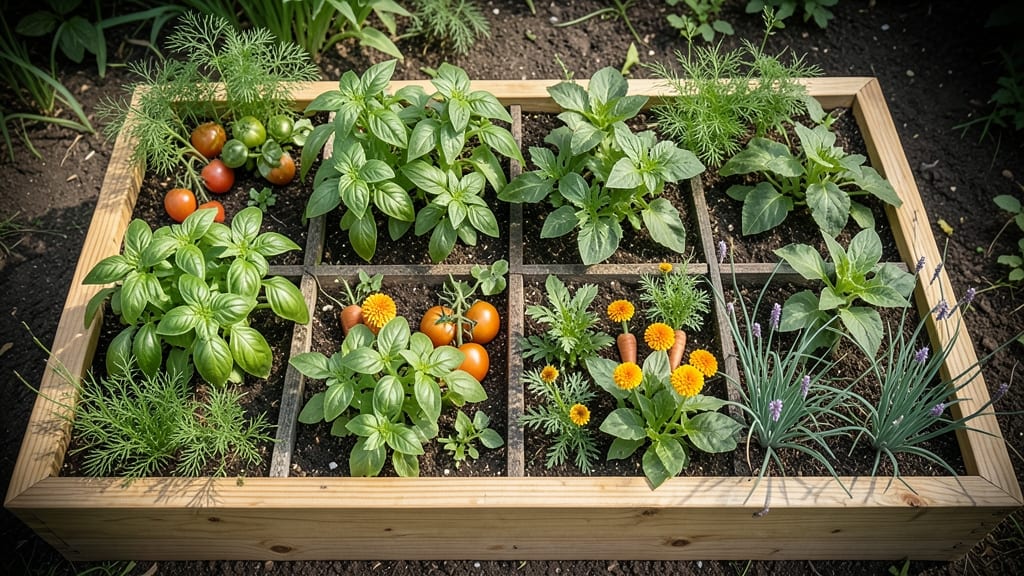
Small gardens don’t mean small harvests—companion planting blocks turn every square foot into a high-yield powerhouse by grouping plants that naturally support each other. This isn’t just about aesthetics; it’s a strategic way to deter pests, boost flavor, and maximize space in tight layouts.
Start with classic pairings like basil and tomatoes (which repel pests and enhance taste), or marigolds and cucumbers (to keep aphids at bay). Arrange these compact clusters in 2x2-foot squares within your bed, leaving just enough space for airflow. For example, plant three tomato plants surrounded by six basil plants and a ring of marigolds at the edges—this creates a self-defending micro-ecosystem. The key is proximity: plants within 12–18 inches of each other reap the most benefits without competing for resources.
This method is a game-changer for urban gardeners, balcony growers, or anyone with limited space. It cuts down on chemical pesticides, improves plant resilience, and lets you grow more in less room—all while enjoying fresher, more flavorful produce. 🌻
Underground Potato Trenches
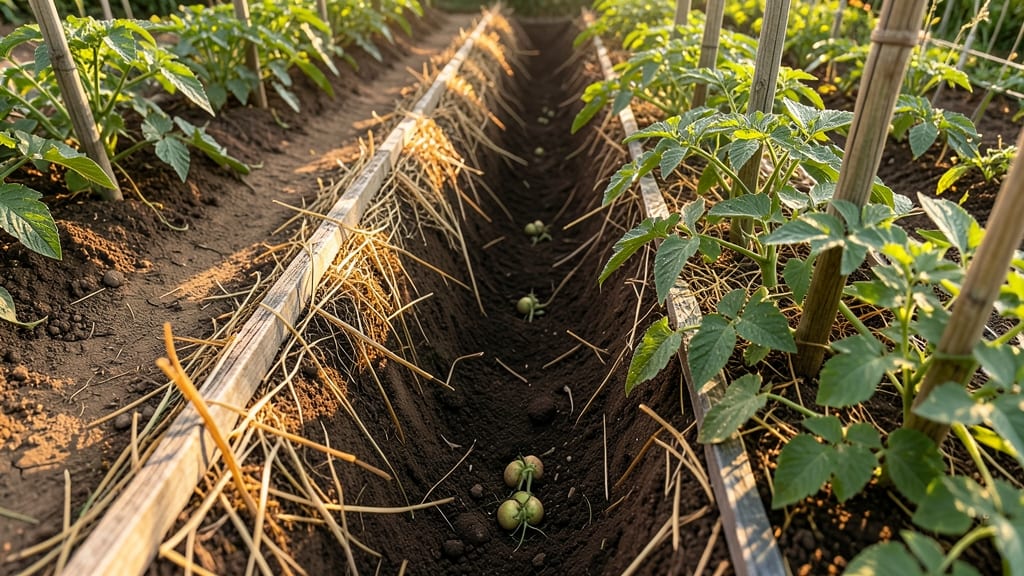
Tired of sacrificing your garden's surface space just to grow potatoes? Underground potato trenches let you grow a full harvest without taking up valuable real estate above ground. This clever method buries potatoes in deep trenches, allowing them to spread and mature underground while keeping your bed surface free for other crops.
Dig a trench 12-18 inches deep and 12-18 inches wide, then layer with compost and plant seed potatoes 4-6 inches apart. As the plants grow, gently mound soil over the stems every few weeks to encourage more tuber formation. This method works especially well for early varieties like Yukon Gold or Red Pontiac, which mature quickly and won’t outgrow the trench.
Perfect for gardeners who want to grow potatoes without crowding out other crops, this technique is a game-changer for small spaces. You’ll get a full harvest while keeping your garden beds flexible for other vegetables. 🌱
Mini Greenhouse Raised Beds

Cold climates don’t have to mean the end of your tomato and pepper dreams. A mini greenhouse raised bed acts like a cozy blanket for your plants, trapping warmth and shielding them from frost, wind, and pests—so you can grow heat-loving crops year-round or push your season by 4-6 weeks.
Start with a 4x8-foot raised bed (or smaller) and enclose it with clear plastic sheeting or a glass panel greenhouse kit (available at garden centers). Place it in a south-facing spot to maximize sunlight, and use black plastic mulch inside to warm the soil faster. For extra protection, add ventilation flaps to prevent overheating during summer. This setup is ideal for gardeners in USDA Zones 3-5 or anyone craving tomatoes in December.
No more sacrificing your favorite crops to short seasons—this low-cost hack turns even a tiny space into a high-yield greenhouse without the complexity of a full structure. 🌱