
Vegetables
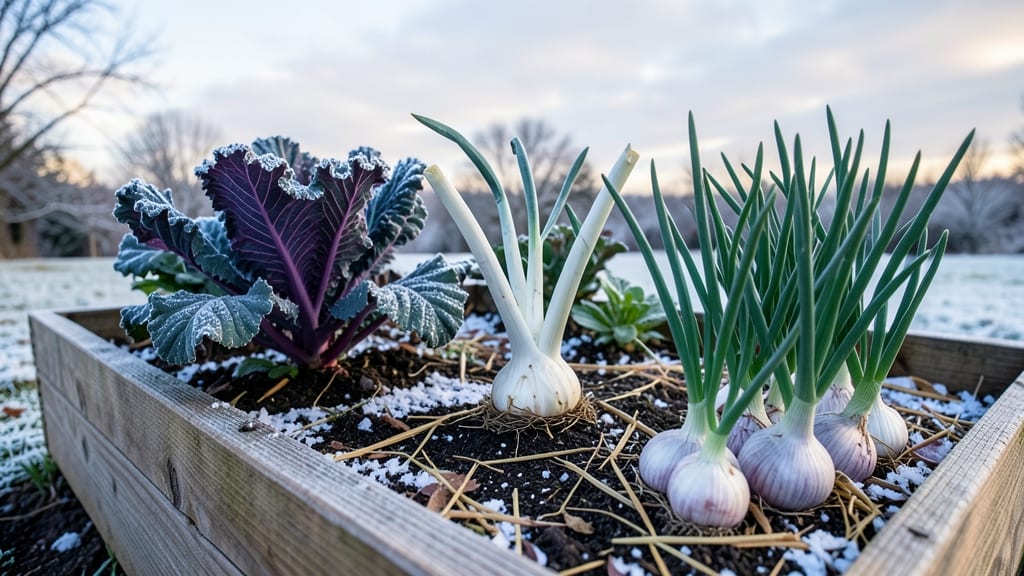
Struggling to fit the most productive vegetables into limited raised bed space? These 10 science-backed layouts combine companion planting, space efficiency, and seasonal rotation to help you grow more food in less room—while reducing pests and maximizing flavor.
Classic Square Foot Gardening Layout
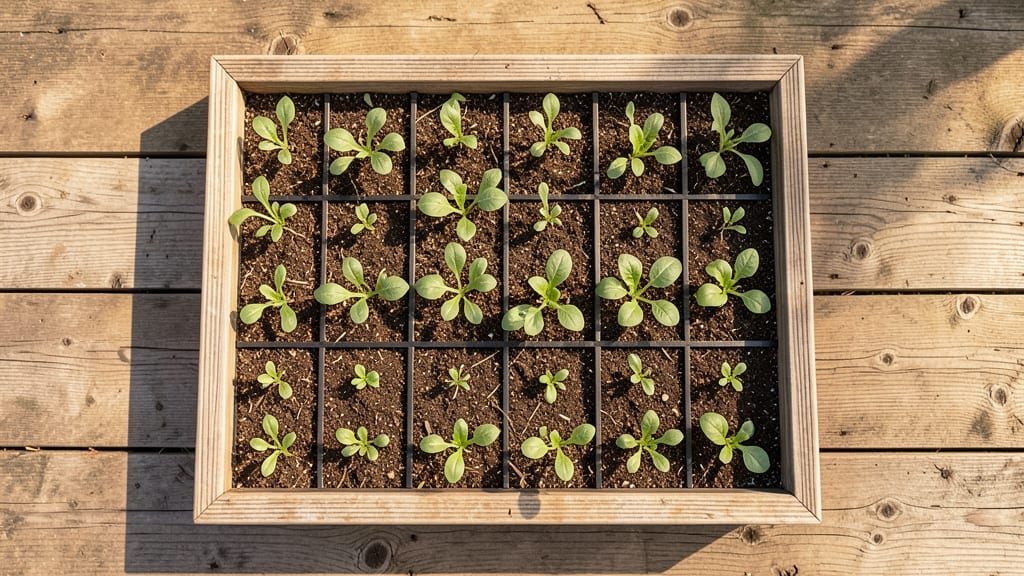
If you’re new to vegetable gardening and overwhelmed by spacing charts, the classic square foot gardening layout simplifies everything by dividing your bed into a grid where each square holds just one type of plant—no guesswork, no wasted space. This method is designed to fit perfectly into 4’x4’ raised beds, making it ideal for urban balconies, patios, or small backyards where every inch counts.
Start by marking your bed with 12-inch grid lines (using string or a simple ruler) to create 1-square-foot blocks. Each block gets a specific number of plants based on their mature size: 1 tomato plant, 4 onions, 9 carrots, or 16 radishes per square. This prevents overcrowding and ensures every plant gets optimal sunlight and nutrients. For urban gardeners, this layout also makes it easy to rotate crops yearly without confusion.
Beginners love this system because it eliminates trial-and-error spacing and maximizes yield in tight spaces. Plus, the grid makes it simple to track what’s planted where—no more mystery greens popping up where you least expect them! 🌱
Three Sisters Companion Planting
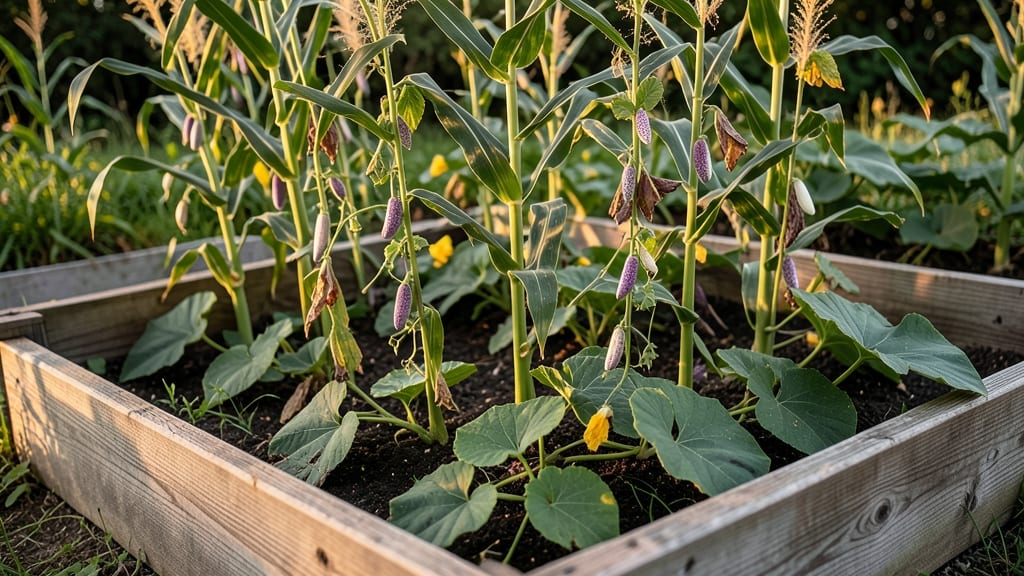
Skip the guesswork of traditional companion planting—this Three Sisters method is a time-tested, self-sustaining system that works like clockwork. Inspired by Native American traditions, it marries corn, beans, and squash in a symbiotic trio that cuts weeds, feeds the soil, and supports each other’s growth without extra effort.
Plant corn first as natural trellises for pole beans, which climb the stalks while fixing nitrogen in the soil—no synthetic fertilizers needed. Tuck squash at the base to shade the soil, smothering weeds and retaining moisture. The trio thrives in full sun with minimal intervention, making it ideal for organic gardeners who want year-round soil health. Start seeds indoors 2-3 weeks before your last frost, then transplant when corn reaches 6 inches tall.
This layout is a game-changer for those who want low-maintenance beds that reward patience with bountiful harvests. Perfect for beginners or eco-conscious gardeners, it’s a living example of how nature’s partnerships can simplify your gardening life. 🌱
Vertical Herb and Lettuce Tower
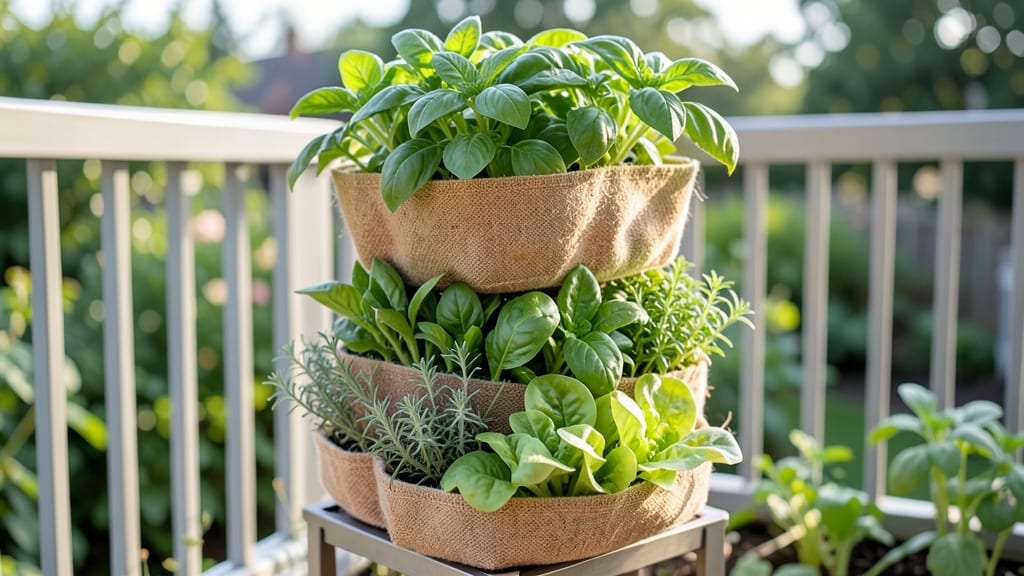
Turn your balcony or tiny yard into a fragrant, leafy oasis with a vertical herb and lettuce tower—the perfect solution when every inch of space counts. This tiered system lets you grow basil, thyme, lettuce, and spinach in stacked pockets, freeing up precious ground space for other crops or pathways. The cascading greens create a lush, living curtain that’s both functional and beautiful.
Choose a tower with 3-5 tiers (each 6–12 inches deep) to accommodate shallow-rooted greens at the bottom and herbs like basil at the top, where they’ll bask in the most sunlight. Use lightweight, moisture-retentive potting mix and water from the top to ensure even distribution—just be mindful not to overwater the lower tiers. For maximum productivity, rotate your tower every few weeks to give all plants equal access to sunlight, especially if your space gets partial shade.
This layout is a game-changer for urban gardeners, renters, or anyone with limited horizontal space but plenty of sunlight. Plus, the fresh herbs and greens are always within arm’s reach for cooking—no more forgetting to harvest before they bolt! 🌱
Succession Planting Salad Mix Bed
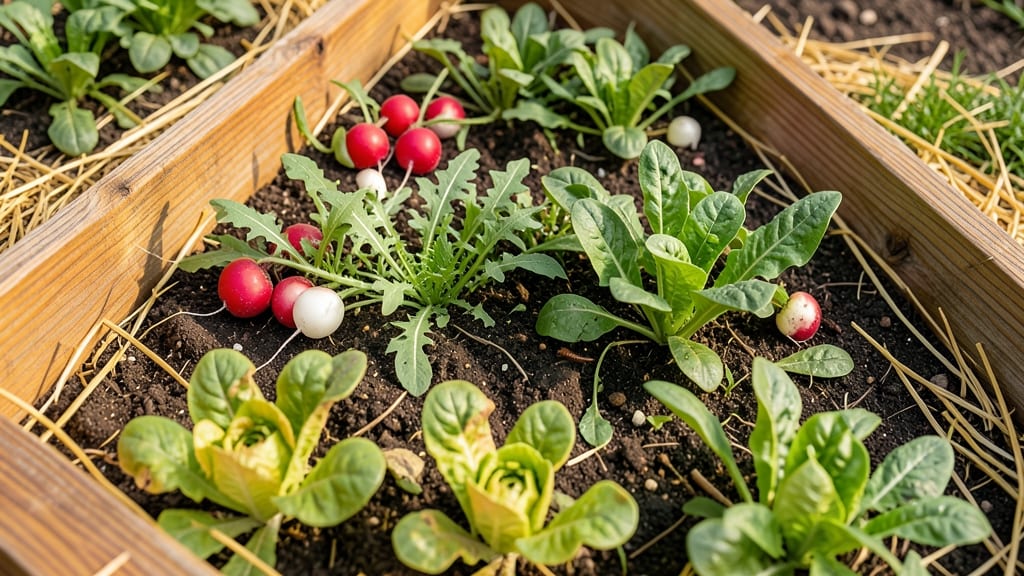
Tired of bolting lettuce and patchy harvests? A succession planting salad mix bed keeps your kitchen stocked with fresh greens all season by planting fast-growing crops like radishes, arugula, and spinach in overlapping waves every two weeks. This method ensures you’ll never run out of salad ingredients while confusing pests that rely on monocultures.
Start with a 4-foot by 8-foot bed (or smaller) and divide it into three sections. Plant radishes (ready in 30 days) in the first section, followed by arugula (40 days) and spinach (50 days) in subsequent sections. Rotate crops every two weeks to maintain a continuous harvest cycle. Use drip irrigation to keep soil consistently moist, and add a light mulch of straw to retain moisture and suppress weeds.
Chefs and salad enthusiasts will love this layout for its year-round flexibility—adjust crops based on your local climate. Even beginners can master it with minimal effort, thanks to the forgiving nature of leafy greens. 🌱
Pest-Repellent Tomato and Basil Spiral
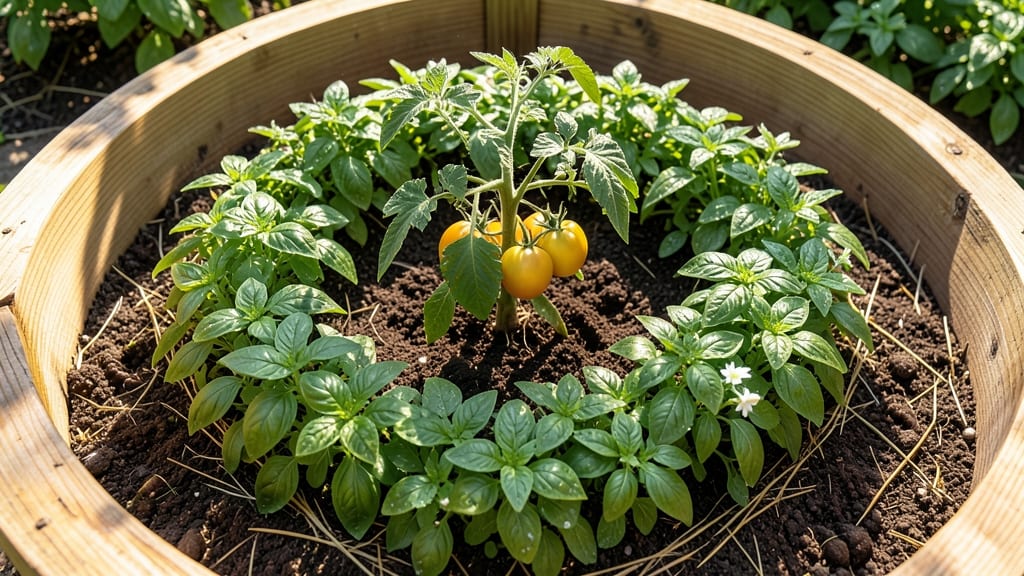
Tired of tomato plants wilted by pests or blighted by diseases? A pest-repellent tomato and basil spiral transforms your raised bed into a fortress against common garden invaders while boosting flavor. This circular design places tomatoes at the center—where they get full sun—surrounded by basil, marigolds, and onions, all proven to deter aphids, whiteflies, and even deer.
The spiral’s outward curve ensures even sunlight exposure for all plants, while the layered arrangement keeps beneficial insects like bees buzzing nearby for pollination. For containers, use a 5-gallon pot with a 3-foot diameter; for in-ground beds, create a 4-foot-wide spiral. Plant basil closest to tomatoes (it improves their taste!) and marigolds at the outer edge to repel nematodes. Mulch with straw to retain moisture and suppress weeds.
This layout is a game-changer for gardeners who want low-maintenance, high-yield tomato harvests without chemicals. Perfect for urban balconies or traditional raised beds, it’s especially rewarding for those who love fresh basil pesto straight from the garden. 🌱
Root Vegetable and Allium Block
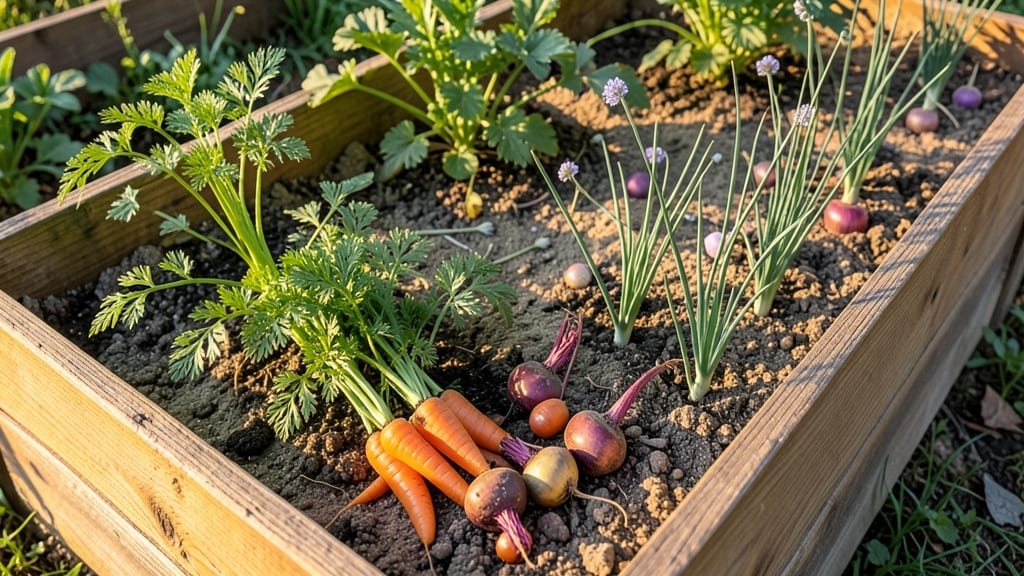
If you dream of a raised bed overflowing with crisp carrots, earthy beets, and fragrant alliums, this dedicated block is your solution. Unlike shallow-rooted plants, these vegetables need 12+ inches of loose, sandy soil to grow their best—making deep beds a game-changer for root lovers.
Start by planting onions and garlic around the edges or in shallow pockets, as their shallow roots won’t compete with deeper carrots and beets. The alliums also naturally repel pests like carrot flies, creating a protective barrier. For maximum yield, sow seeds in staggered rows every 2 weeks—this ensures a steady harvest and prevents overcrowding. Amend the soil with compost and coarse sand to keep it fluffy and well-draining.
This layout is a must for gardeners who crave homegrown roots but hate wasted space. The deep beds and strategic intercropping make it ideal for both urban gardeners with limited square footage and root vegetable enthusiasts looking to simplify their harvest. 🌱
Mediterranean Herb and Pepper Triangle
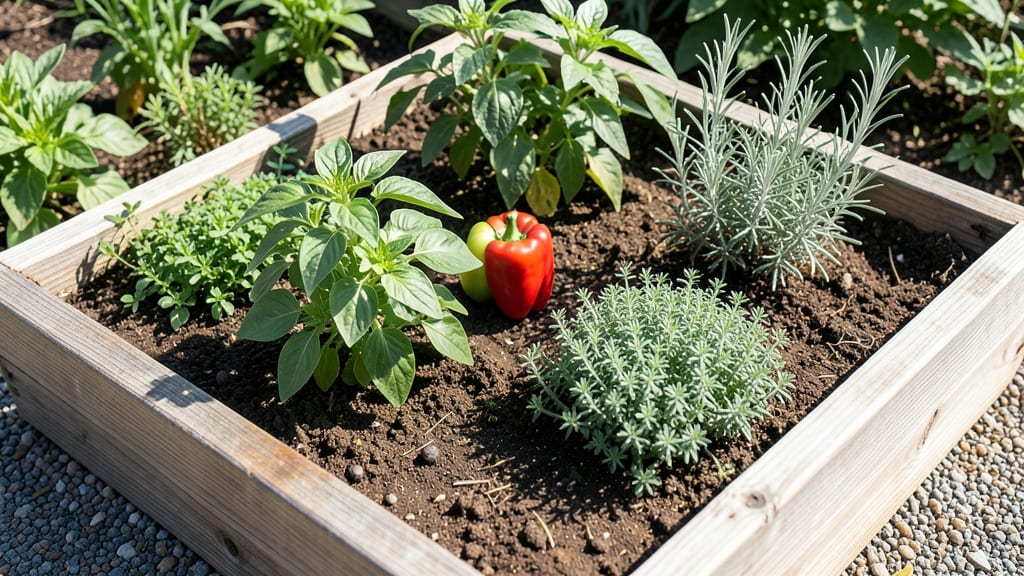
Transform a corner of your raised bed into a fragrant, culinary hub with this Mediterranean Herb and Pepper Triangle—a space-efficient trio of peppers, oregano, rosemary, and thyme that thrive together under full sun (6+ hours daily) and well-draining soil. This layout is perfect for home cooks or urban gardeners who want fresh herbs without sacrificing precious space.
Place pepper plants at the triangle’s center—they’ll reach 2–3 feet tall—while oregano and rosemary sprawl along the sides (both love dry conditions and drought-tolerant once established). Tuck thyme at the base, where its low-growing habit and purple flowers add color and ground cover. All four plants share similar needs: sandy, slightly alkaline soil and minimal fertilization (too much nitrogen reduces flavor).
This design is ideal for small patios, balcony planters, or raised bed corners, offering year-round greenery and a constant supply of kitchen staples. The aromatic combo also deters pests naturally—no need for chemicals! 🌿
Shade-Tolerant Greens and Microgreens
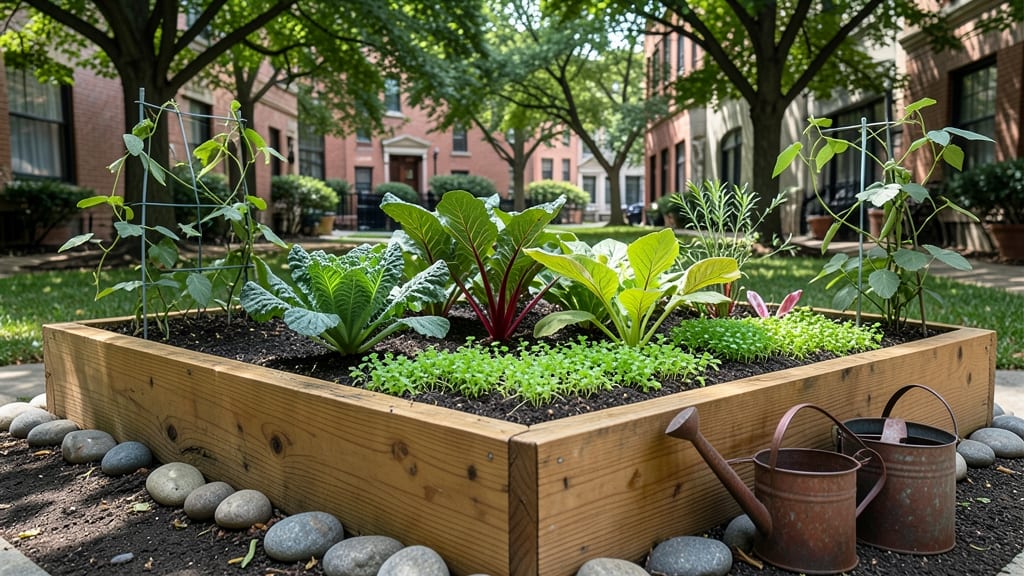
Turn your north-facing raised beds or shady urban courtyard into a thriving harvest zone with this low-light powerhouse layout. While most vegetables crave full sun, kale, Swiss chard, microgreens, and bush beans actually prefer partial shade—making them perfect for spots that get filtered sunlight or only a few hours of direct light daily.
Boost light absorption with reflective mulch like crushed white gravel or aluminum foil along the bed’s edges. This simple trick can increase usable light by up to 30%, helping your greens grow lush and productive. Plant microgreens in shallow trays near the bed’s center where light is brightest, while bush beans thrive along the edges, fixing nitrogen for their leafy neighbors. Harvest kale and Swiss chard continuously—they taste sweeter after light frosts and keep producing through mild winters.
This layout is a game-changer for urban gardeners, apartment balconies, or shaded backyard corners, proving you don’t need a sunbathing plot to grow fresh, nutrient-packed greens. 💚
Pollinator-Friendly Flower and Vegetable Mix
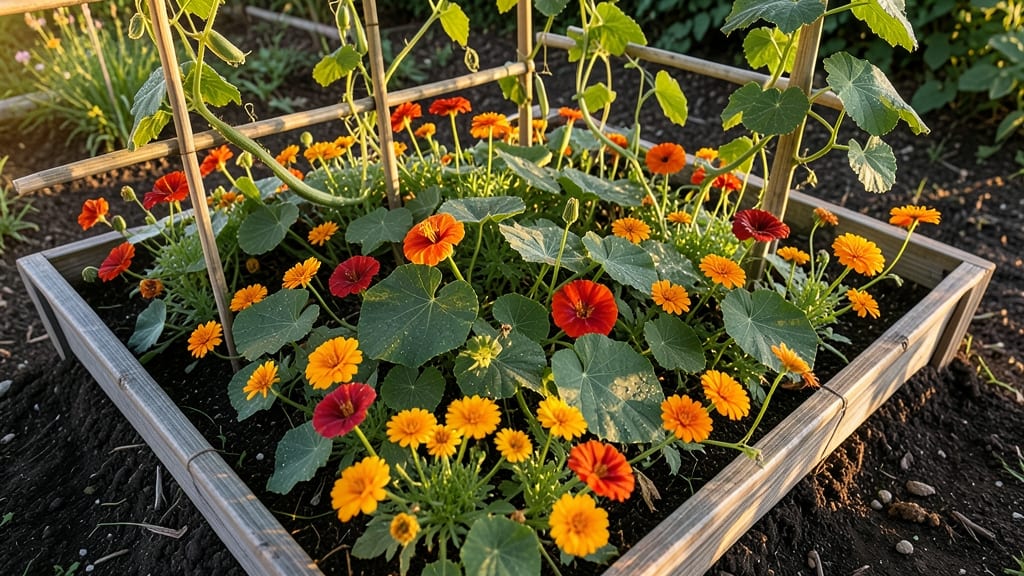
Turn your raised bed into a buzzing ecosystem that not only feeds you but also supports local pollinators. By weaving edible flowers like nasturtiums and calendula between your zucchini, cucumbers, and beans, you create a double win: a vibrant pollinator haven and a 30% yield boost from natural pollination.
Start by planting your heavy feeders (zucchini and cucumbers) along the edges or on trellises to save space, then scatter nasturtiums (which repel pests) and calendula (bee magnets) between rows. Beans thrive in this setup too—their nitrogen-fixing roots improve soil while their flowers attract even more pollinators. Water consistently but avoid wetting flowers to keep bees visiting.
This layout is ideal for organic gardeners who want to cut back on synthetic fertilizers or anyone passionate about supporting pollinator populations. Your harvest will thrive—and so will the ecosystem! 🌻
Winter Hardy Kale and Garlic Strips

When winter's chill threatens to halt your harvests, this cold-hardy trio of kale, garlic, and overwintering onions keeps producing even at 20°F. Unlike summer crops that bolt or freeze, these plants sweeten in cold weather, giving you fresh greens and flavorful bulbs when other gardens lie dormant.
Plant kale in alternating rows with garlic cloves (6 inches apart) and onion sets (4 inches apart), leaving 12 inches between rows. Top with 4-6 inches of straw mulch in late fall to insulate roots and prevent soil heaving. These plants thrive in full sun to partial shade, making them ideal for northern exposures where winter sun is weak.
This layout is a game-changer for four-season gardeners or those in USDA Zones 3-6, turning winter into a productive season. With minimal care, you'll harvest sweet garlic scapes in spring and tender kale leaves straight from the snow. 💚