
Light Requirements
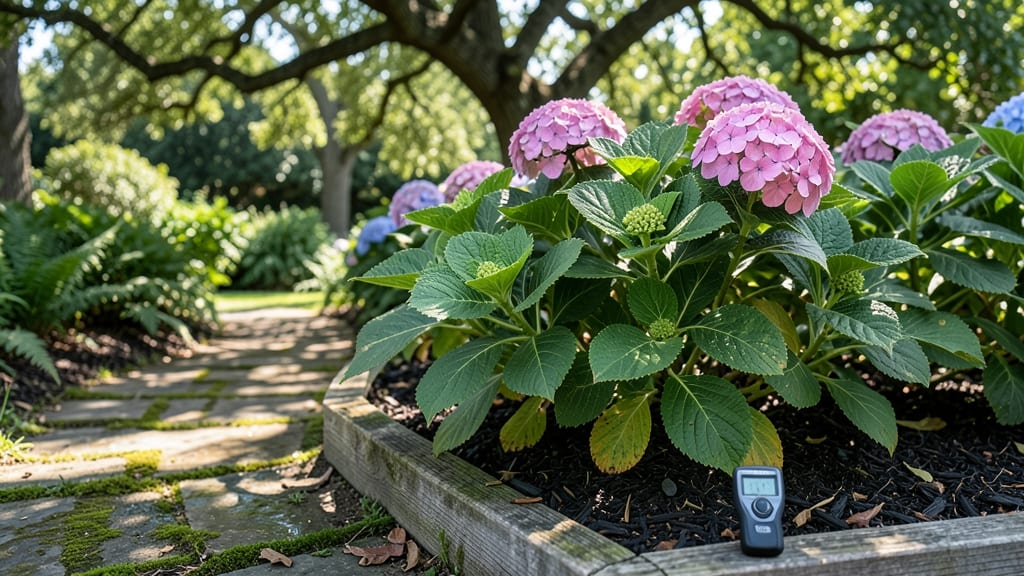
Full sun to partial shade means a plant thrives with 6 to 8 hours of direct sunlight daily, tolerating 2 to 4 hours of filtered light in hotter climates or afternoon shade to prevent stress. Exact needs vary by species, climate, and season—always check plant tags for precision.
Understanding these terms is key to avoiding over- or under-exposure, which can stunt growth or scorch leaves. 🌿 For instance, tomatoes and roses crave full sun for vibrant blooms and fruit production, while ferns and hostas thrive in partial shade to prevent leaf burn.
The distinction isn't just about hours but also light quality—direct midday rays are harsher than morning sun, so afternoon shade can be crucial in hot zones. I always recommend observing your plants' leaves: crispy edges signal too much sun, while pale, leggy stems mean they're starving for light.
Pro tip: Use a light meter app or watch shadows to gauge exposure—most garden centers sell shade cloth rated by percentage (like 30% block), which can help fine-tune conditions for sensitive species.
Seasonal shifts matter too: a north-facing window might offer full sun in summer but only partial shade in winter when the sun arcs lower.
💡 In This Article
- How Sunlight Hours Affect Plant Growth and Health
- Adjusting Sunlight for Different Plants and Climates
How sunlight hours affect plant growth and health
Sunlight drives photosynthesis, but too much or too little disrupts this process. Plants in full sun (6-8 hours of direct light) produce more chlorophyll, leading to deeper green leaves and higher sugar production for energy. The trade-off?
Intense midday rays (especially in 90°F+ climates) can cause leaf burn, where chlorophyll breaks down and cells die, creating crispy brown edges. 🔥 This is why afternoon shade is critical for sun-lovers like tomatoes in hot zones—they need light but not the harshest UV exposure.
The difference between full sun and partial shade isn't just hours but light quality. Full sun delivers 1,000-1,500 foot-candles of light intensity, while partial shade filters to 200-500 foot-candles—similar to a cloudy day.
Flowering plants (like petunias) thrive in full sun because their blooms need high light for pigment production, while foliage plants (like coleus) prefer partial shade to prevent leaf scorch.
Even root development varies: sun-loving plants grow deeper roots to access moisture, while shade plants develop shallower, more fibrous roots.
Light intensity also affects plant hormones. Auxins, which regulate growth, break down faster in bright light, leading to more compact growth in full sun. This is why roses grow bushier in full sun than in shade.
Conversely, low light triggers plants to stretch (etiolation) in search of light, resulting in weak stems and sparse leaves. The balance is delicate—too little light reduces photosynthesis, while too much causes oxidative stress, where excess UV damages cell membranes.
Consider this comparison: A hydrangea in full sun may produce fewer blooms and develop leaf burn, while the same plant in partial shade grows lush foliage with vibrant flowers.
The key is matching the plant's native habitat—most tropical plants (like caladiums) evolved under filtered canopy light, while desert species (like agave) thrive with unfiltered sun. Even the angle matters: morning sun is gentler than afternoon sun, which is why east-facing gardens often work better for sun-sensitive species.
Seasonal shifts complicate things further. In summer, a north-facing wall might provide only 4 hours of direct light, while winter sun stretches to 10 hours in the same spot.
This is why gardeners in Zone 5-7 often use shade cloth in summer to protect plants from heat stress, then remove it in winter to maximize light.
The goal is to mimic the plant's natural light conditions as closely as possible—because photosynthesis isn't just about hours, but the right balance of light, temperature, and humidity.
Here's a quick science breakdown: Photosynthesis peaks at 70-80°F with moderate light. Below 50°F, enzymes slow down, reducing energy production. Above 95°F, chlorophyll degrades faster, leading to leaf damage.
That's why afternoon shade isn't just about reducing light—it's about lowering leaf temperatures by 10-15°F, which can mean the difference between a thriving plant and one struggling to survive. 💫