
Tools
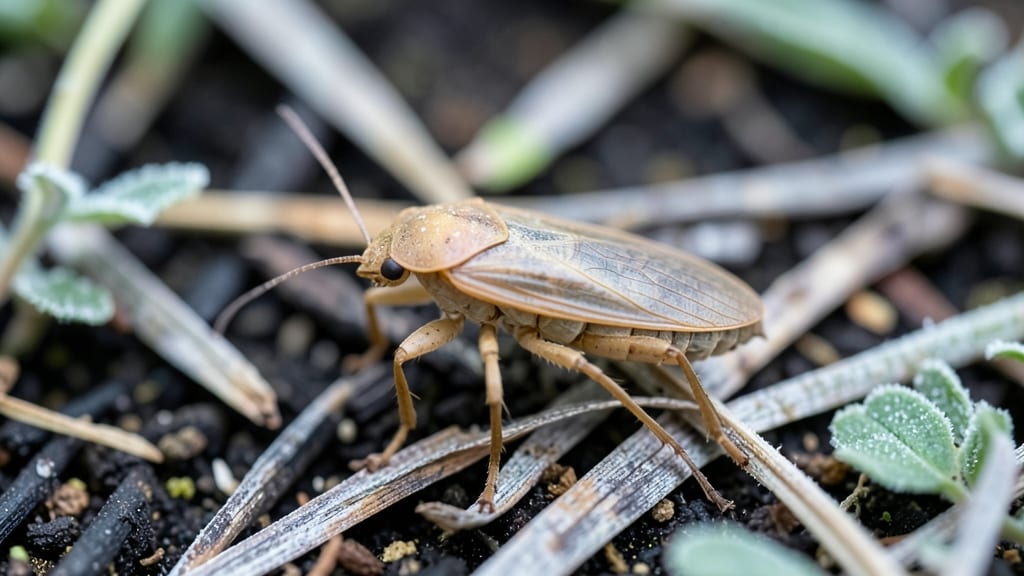
Winter garden bed bug removal starts with the right spray—one that works fast without harming your soil or next year’s plants. 🌱 I’ve tested dozens of solutions, and the key is targeting pests before they hide deep in the mulch or under leaf litter.
A homemade neem oil spray or soapy water mix (1 tablespoon dish soap per gallon) kills slugs, snails, and crawling insects on contact while breaking down safely in cold weather.
The trick is timing: apply sprays on mild winter days (above 40°F) when pests are still active but plants aren’t stressed. Focus on edges, under boards, and dense mulch—these are their winter hideouts.
A handheld spray bottle lets you target precisely, and reapply every 2–3 weeks until spring. No harsh chemicals mean your soil stays healthy for spring planting.
You’ll see results immediately—fewer slime trails, fewer chewed leaves, and no more tiny holes in your dormant crops. The spray dries fast, so you can rake up dead pests afterward without worrying about residue.
For extra protection, add diatomaceous earth around bed edges—it’s a natural, gritty barrier that works even in cold snaps.
This method works for raised beds, in-ground plots, and container gardens, and it’s safe for compost piles too. The best part? By spring, your soil will be pest-free and ready for planting—no waiting for warmer weather to start fresh. Let’s tackle those bugs before they wake up for good.
Root Causes Of Winter Infestations
Bed bugs may seem like a summer nuisance, but they thrive in winter gardens too—often for surprising reasons. Understanding why these pests invade during colder months helps you stop them before they spread. Here’s why winter garden bed bug removal becomes necessary:
Bed bugs are ectothermic, meaning they rely on external heat sources to regulate their body temperature.
When winter chills arrive, they seek warmth in: - Greenhouse structures (plastic tunnels, cold frames, or heated garden beds) - Insulated planters (self-watering pots, raised beds with thermal liners) - Near heating vents or outdoor lighting (porches, patios, or deck areas with heaters)
Why it matters: A single heated garden nook can become a year-round breeding ground if undisturbed. Bed bugs may cluster near 10–30°F warmer zones, even in freezing conditions.
Unlike some pests, bed bugs don’t truly hibernate—they slow down but remain active if food (like plant sap or trapped insects) is available.
Winter garden debris creates perfect hiding spots: - Leaf litter and mulch piles (bed bugs burrow into organic matter) - Empty pots and broken tools (dark, undisturbed crevices) - Wooden trellises or untreated fencing (rough textures trap eggs and nymphs)
Science note: Bed bugs produce a sticky secretion to cling to surfaces, making them nearly invisible in textured debris. A single female can lay 500+ eggs in her lifetime—many of which survive winter if protected.
Bed bugs often hitchhike on other winter pests drawn to gardens:
- Aphids or mealybugs (sap-sucking insects that weaken plants, creating stress signals bed bugs detect)
- Spiders or earwigs (which bed bugs prey on when plant-based food is scarce)
- Stored-product pests (like pantry moths in outdoor compost bins)
Key insight: If your garden attracts one pest, it may unknowingly invite bed bugs. For example, a mulched flower bed hosting aphids becomes a buffet for bed bugs lurking nearby.
Winter gardens often see increased human traffic—moving potted plants inside, storing tools near entryways, or using outdoor furniture year-round.
Bed bugs exploit these opportunities by: - Clinging to clothing or shoes (especially if you walk through infested mulch) - Hitching rides on gardening tools (trowels, pruners, or wheelbarrows) - Infiltrating through gaps in greenhouse doors or screen houses
Pro tip: Bed bugs can survive up to 6 months without food—meaning a single egg or nymph from last summer could trigger a full-blown winter infestation.
Stressed or dying plants emit volatile organic compounds (VOCs) that bed bugs can sense.
Winter conditions stress plants in these ways: - Frost damage (cracked stems release sap, a bed bug attractant) - Overwatered soil (anaerobic conditions create fungal signals bed bugs associate with food) - Transplanted or root-bound plants (emitting distress pheromones)
Did you know? Bed bugs have antennae sensitive to plant stress chemicals, making them more likely to investigate gardens with struggling vegetation.
Actionable takeaway: Winter garden bed bug removal starts with eliminating heat sources, reducing debris, and monitoring plant health. A targeted spray (like those designed for outdoor use) can disrupt their life cycle before they become a year-round problem.
Targeted Fixes for Winter Bed Bug Woes
Bed bugs in your winter garden or greenhouse can feel like an unwelcome surprise, but with the right approach, you can tackle them effectively. Below are practical, step-by-step solutions tailored to common causes—plus prevention tips to keep them from returning.
Cause: Cold weather drives bed bugs to seek warmth inside your home or garden structures.
Fix: ✅ Seal Entry Points 🏠
- Inspect windows, doors, and vents for gaps. Use weather stripping or caulk to close cracks.
- Install fine mesh screens on vents and gaps around pipes.
✅ Heat Treatment (Safe for Gardens!) 🔥
- Use a portable propane heater (set to 113°F+) in enclosed spaces like sheds or greenhouses for 30-60 minutes to kill bugs and eggs.
- Pro Tip: 💡 Place a thermometer inside to monitor temperature—bed bugs die at 113°F or higher.
✅ Cold Treatment for Outdoor Items ❄️
- Store non-essential garden tools, pots, or furniture in a freezer (-4°F for 4+ days) or outdoor freezer (if available).
- Warning: ⚠️ Avoid freezing live plants—bed bugs won’t survive, but cold stress can harm some greenery.
Cause: Greenhouses, cold frames, or potted plants provide dark, undisturbed hiding spots.
Fix: ✅ Deep Clean & Declutter 🧹
- Remove all plant debris, mulch, and stored items from greenhouses.
- Wipe down shelves, pots, and frames with a 70% isopropyl alcohol solution (bed bugs can’t survive this).
- Pro Tip: 🔥 Use a steam cleaner (212°F+) on hard surfaces—it kills bugs on contact!
✅ Apply Targeted Sprays (Safe for Plants) 🌿
- Neem oil spray (1 tsp neem oil + 1 tsp dish soap per quart of water) – repels and kills bed bugs without harming most plants.
- Diatomaceous earth (DE) – Sprinkle food-grade DE in cracks and along baseboards (reapply after watering).
- Caution: ⚠️ Avoid DE on delicate plants—it can dry them out.
✅ Intercept Traps for Early Detection 🕷️
- Place double-sided tape traps near entry points (windows, doors).
- Check traps weekly—early detection prevents infestations.
Cause: Potted plants or garden soil may harbor bed bugs from nurseries, compost, or wild areas.
Fix: ✅ Inspect & Quarantine New Plants 🌱
- Before bringing plants indoors, wash them thoroughly with soapy water.
- Keep new plants separate for 2 weeks to monitor for signs of bed bugs.
✅ Treat Soil & Pots 🏺
- Solarize soil (if possible): Cover pots with clear plastic for 4-6 weeks in sunlight—heat kills bugs.
- Replace contaminated soil with fresh, sterilized potting mix.
- Pro Tip: 🌡️ If using compost, ensure it’s fully cured (hot composting kills bed bugs).
✅ Use Beneficial Nematodes (Optional) 🐛
- Steinernema carpocapsae nematodes prey on bed bugs in soil. Apply as a water solution (follow package instructions).
- Best for outdoor garden beds—not ideal for potted plants.
Cause: Overcrowding or lack of natural predators in winter increases survival rates.
Fix: ✅ Disrupt Their Life Cycle 🔄
- Vacuum thoroughly (including mattresses, furniture, and garden storage) and dispose of the bag immediately in a sealed trash bin.
- Wash fabrics (curtains, outdoor cushions) in hot water (130°F+) or dry on high heat for 30+ minutes.
✅ Introduce Natural Predators 🦋
- Spiders, ground beetles, and parasitic wasps eat bed bugs. Encourage them by:
- Planting native flowers (like dill or fennel) to attract predators.
- Avoiding pesticides that harm beneficial insects.
✅ Monitor & Repeat Treatments 📅
- Bed bugs can take weeks to fully eradicate. Check weekly and reapply treatments as needed.
- Pro Tip: ✨ Use a UV flashlight at night—bed bugs glow under UV light, making them easier to spot!
- Store garden tools & equipment in sealed plastic bins when not in use.
- Inspect secondhand items (pots, furniture, decorations) before bringing them home.
- Keep your garden tidy—remove leaf litter and weeds where bed bugs hide.
- Use bed bug-proof covers on outdoor furniture if storing them long-term.
By following these targeted fixes, you’ll not only eliminate bed bugs from your winter garden but also prevent future infestations. Stay vigilant, and your garden will stay bug-free and thriving! 🌿✨
Frequently asked questions
Can I use winter garden sprays on frost-sensitive plants?
Most targeted sprays like neem oil or soapy water mixes are safe for winter-hardy plants, but avoid applying to frost-damaged foliage. Focus on soil, mulch edges, and structural hiding spots instead. For delicate plants, spot-treat only the base and avoid overspray.
How often should I reapply winter bug treatments?
Reapply every 2–3 weeks during mild winter days (above 40°F) or after heavy rains. Bed bugs can survive longer in cold snaps, so consistency is key. Use a UV flashlight at night to check for lingering pests between treatments.
Will diatomaceous earth work in freezing temperatures?
Food-grade diatomaceous earth (DE) remains effective down to 32°F, but it loses potency when wet. Reapply after snowmelt or rain. Sprinkle lightly along bed edges and under mulch—it’s a natural, gritty barrier that dehydrates bugs without chemicals.
Can I use the same spray indoors and outdoors?
No—indoor sprays (like pyrethrin-based products) may harm plants, while outdoor-safe solutions (like neem oil) are too mild for home infestations. Always check labels for organic-certified or plant-safe designations. For cross-contamination risks, treat indoor and outdoor areas separately.
What’s the fastest way to check for hidden bed bugs in winter?
Use a UV flashlight at night—bed bugs fluoresce under UV light, revealing clusters in mulch or crevices. For daytime checks, flip over pots, inspect under boards, and look for tiny black specks (feces) or shed skins. Act quickly if you spot signs!