
Orchid Care
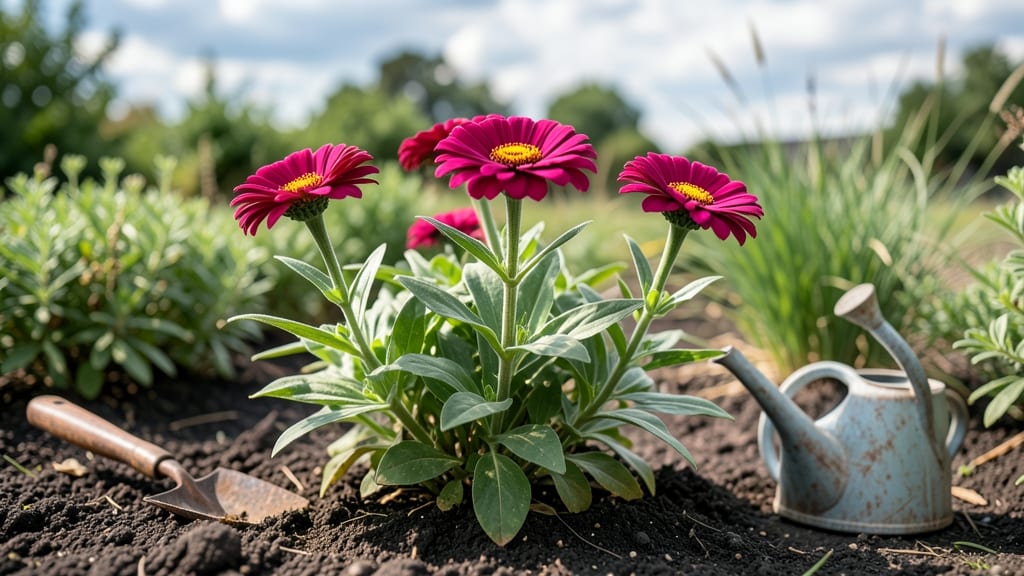
Zinnias absolutely thrive in full sun, but the right balance of light and shade can mean the difference between weeks of vibrant blooms and a sad, scraggly plant.
Picture this: you’ve planted your 🌼 zinnias with high hopes, only to watch them stretch tall and leggy, then produce just a handful of flowers. That’s not laziness—that’s a light problem. Too much shade, and they’ll fight for energy. Too much scorching sun, and they’ll bolt before blooming.
Here’s the good news: zinnias are tougher than they look. With the right light strategy, you can coax longer, fuller blooms—even in hotter climates or partial-shade spots.
I’ll break down exactly how much sun they need, how to tweak care for different light conditions, and what to watch for when things go wrong.
By the end, you’ll know whether your zinnias are getting the perfect light—or how to fix it before your next harvest. Let’s get those flowers popping!

Do zinnias prefer full sun or partial shade? The light truth
If you've ever grown zinnias, you know their bright blooms can make any garden pop—but getting them to thrive isn't always easy. The truth? Zinnias crave full sun, but there’s more to the story than just "sun or shade."
Light exposure directly controls bloom size, stem strength, and even disease resistance. Let’s break down the science and debunk common myths so you can give your zinnias the perfect light recipe for a nonstop floral show.
Most gardeners assume zinnias are one-size-fits-all when it comes to sunlight, but varieties differ. Tall zinnias (like 'Benary’s Giant') need 6+ hours of direct sun to reach their full 4-foot height, while dwarf varieties (such as 'Thumbelina') can handle 4-6 hours—though they’ll still bloom best with more light.
The key isn’t just hours, though; it’s intensity and heat tolerance that make the difference between vibrant blooms and floppy, sparse flowers.
| Zinnia Type | Sunlight Needs | Bloom Impact | Heat Tolerance |
|---|---|---|---|
| Tall (e.g., 'Benary’s Giant') | 6+ hours full sun | Large, long-lasting blooms | High (needs afternoon shade in Zone 9+) |
| Medium (e.g., 'Profusion') | 5-6 hours full sun | Compact, prolific blooms | Moderate (mulch to retain moisture) |
| Dwarf (e.g., 'Thumbelina') | 4-6 hours sun | Small but frequent blooms | Low (ideal for containers) |
| All Varieties (Partial Shade) | 3-4 hours sun | Leggy stems, fewer blooms | Poor (prone to powdery mildew) |
🌞 Pro Tip: Use reflective mulch to boost light intensity by 20-30% in shady spots.
Here’s the science: Zinnias rely on photosynthesis to fuel their energy-hungry blooms. When they get 6+ hours of direct sun, their leaves produce more chlorophyll, which translates to bigger, brighter flowers.
But too much sun—especially in hot climates (Zones 9-11)—can cause heat stress, leading to wilting or even sunburned leaves. That’s why afternoon shade (via a lattice or nearby shrub) can be a game-changer in sweltering regions.
The morning sun is zinnias’ sweet spot because it provides gentle warmth without the intense heat of afternoon rays. If your garden gets scorching afternoon sun, try planting zinnias near tall perennials (like sunflowers) that can act as natural shade providers.
This trick works especially well in desert climates, where temperatures can exceed 100°F.
Now, let’s tackle the partial shade myth. Many gardeners assume zinnias will tolerate 3-4 hours of sun, but this often results in leggy, weak stems and smaller blooms.
Partial shade might work in northern climates (Zones 3-5) during peak summer, but even then, zinnias will bloom less prolifically.
For example, in Portland, OR, zinnias can handle 4 hours of sun in July, but they’ll reward you with far more flowers if you move them to a sunnier spot.
If you’re growing zinnias in containers, light needs become even more critical. A south-facing balcony with 6+ hours of sun is ideal, but if that’s not an option, opt for dwarf varieties and supplement with a grow light (12-14 hours/day) during cloudy stretches.
Without enough light, container zinnias will bolt prematurely—shooting up tall stems with few flowers.
One overlooked factor is soil temperature. Zinnias need warm soil (60°F+) to germinate, and shady spots can keep soil cooler for longer. If you’re planting in spring, choose a sunny, sheltered location to speed up germination.
Once established, though, consistent sunlight is the real secret to long-lasting blooms.
Ready to put this into action? Start by auditing your garden’s sunlight. Use a sunlight tracker app (like SunSurveyor) to map out
How to adjust light for zinnias in different climates
Zinnias love sunlight, but their needs change depending on where you live. In hot, dry climates, they crave 6-8 hours of sun but may need afternoon shade to prevent wilting. Meanwhile, humid regions benefit from morning sun and afternoon shade to avoid fungal issues.
Cooler zones can handle full sun all day, but early spring seedlings need protection from harsh rays. Let’s break down how to tweak light for your zinnias based on your local conditions.
Your climate dictates how much shade zinnias can handle. For example, in USDA Zone 9 or 10, zinnias may struggle with intense midday heat and benefit from 30-50% shade cloth during peak hours.
In Zone 5 or cooler, they’ll thrive in full sun but may need extra warmth to germinate. The key is balancing sun exposure with your region’s temperature extremes and humidity levels.
- In hot/dry climates, use drip irrigation and afternoon shade to prevent leaf scorch. Reflective mulch (like white gravel) can also reduce heat stress.
- For humid areas, space zinnias 3-4 feet apart to improve airflow and pair them with marigolds or basil to deter pests and fungal diseases.
- In cooler zones, start seeds indoors under grow lights (14-16 hours/day) before transplanting to full sun after the last frost.
- Use lightweight shade cloth (30-40%) for young seedlings in all climates to harden them off gradually before full sun exposure.
- Group zinnias with tall plants like sunflowers in cooler zones to create a microclimate that traps heat and extends the growing season.
Mulching is a game-changer for zinnias in extreme climates. A 2-3 inch layer of organic mulch (like straw or shredded leaves) keeps roots cool in summer and warm in spring. For container-grown zinnias, use self-watering pots with light-colored containers to reflect excess heat.
In humid climates, opt for inorganic mulches like gravel to reduce moisture retention and prevent root rot.
Companion planting can also adjust light exposure indirectly. For instance, planting zinnias near low-growing herbs like thyme or oregano creates a natural windbreak that reduces heat stress. In shadier spots, pair them with tall grasses or ornamental millet to filter harsh light while still allowing enough sunlight for blooms.
This technique works especially well in urban gardens with limited full-sun spaces.
If your zinnias start looking stressed, don’t panic—adjustments are easy. Move potted zinnias to sunnier or shadier spots as needed, and prune leggy stems to encourage bushier growth.
In late summer, deadhead spent blooms and reduce watering slightly to signal the plant to focus on root strengthening rather than new growth before winter.
With these climate-specific tweaks, your zinnias will bloom longer and healthier, no matter where you garden. Experiment with light adjustments early in the season to find the perfect balance for your plants—your garden will thank you with vibrant, long-lasting blooms all season long! 🌼