
Shrubs
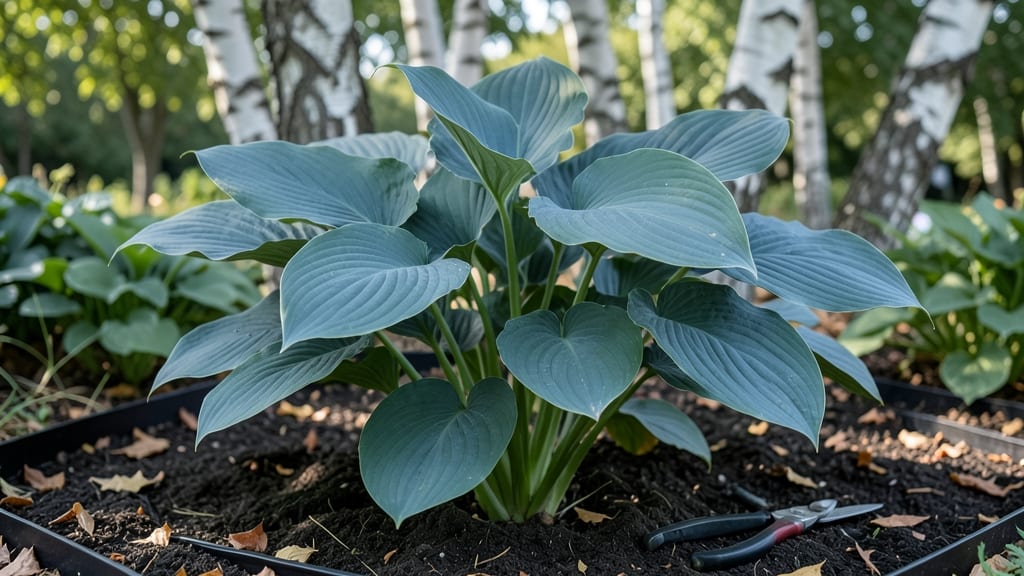
Creating a foliage shade with evergreen shrubs transforms your yard from a sun-scorched space into a lush, private retreat. 🌿 The right mix of dense, leafy plants blocks harsh sunlight while adding year-round texture and color—no ugly fencing required.
I’ve designed this recipe after years of trial and error, learning which shrubs thrive together and which ones fight for space.
Start with a backbone of evergreen shrubs like Holly, Boxwood, or Cherry Laurel—these provide the dense structure that blocks light while keeping your garden green all winter.
Layer in medium-height plants like Oakleaf Hydrangea or Dwarf Fothergilla for seasonal color, and fill gaps with low-growing ground covers such as Sweet Woodruff or Creeping Phlox to soften the edges. The key is balancing heights and textures so light filters through without burning delicate plants below.
By the end of the season, you’ll have a cool, shaded oasis that feels like a secret garden. The shrubs will grow dense enough to block 70-80% of direct sunlight, while the layered foliage creates depth and movement.
Plus, you’ll save on cooling costs—shade gardens stay 10-15°F cooler than open spaces, making them a smart choice for both beauty and comfort.
This design works for sunny backyards, urban courtyards, or even large containers on patios. Whether you’re aiming for a formal hedge or a wild, natural look, the principles stay the same: density, variety, and smart placement. Let’s get your shade garden growing!
📚 In This Guide
- What you need
- Instructions
- Tips and common mistakes
- Wrapping up and next steps
What you need
- ● Evergreen Shrubs: Choose 3-5 varieties for texture and height diversity (e.g., Ilex holly, Pittosporum, Leucothoe, or Mahonia). Aim for 5-10 mature plants per 10-foot section of your shade barrier.
- ● Organic Mulch: 2-3 bags of pine bark fines or shredded hardwood mulch (1-2 cubic yards for a 10’x10’ area).
- ● Slow-Release Fertilizer: 10-20 lbs of 10-10-10 or 12-4-8 granular fertilizer, depending on soil quality.
- ○ Compost: 1-2 cubic yards of aged compost to enrich soil (optional but recommended for poor soil).
- ● Hand Trowel or Transplant Spade (for delicate root systems).
- ● Pruning Shears (sharp, bypass-style for clean cuts).
- ● Garden Gloves (heavy-duty for thorny shrubs like holly).
- ● Wheelbarrow (for hauling mulch, compost, or soil amendments).
- ● Measuring Tape (to map out plant spacing—aim for 3-5 feet apart for dense coverage).
- ● Watering Can or Hose with Nozzle (gentle spray for post-planting hydration).
- ● Soil Test Kit (to check pH—most evergreens prefer acidic to neutral soil (5.0-7.0)).
- ● Root Stimulator (like Mycorrhizal Fungi to boost root growth).
- ● Drip Irrigation System (for low-maintenance watering post-planting).
- ● Edging Tools (to define borders neatly).
- ● Decorative Stones or Gravel (for a polished look around plant bases).
Step-by-step guide to planting a foliage shade shrub screen
Creating a lush, evergreen privacy screen that thrives in shade requires selecting the right shrubs and planting them strategically.
🌱 Step 1: Choose the Right Shrubs for Shade Tolerance
Select evergreen shrubs that thrive in low to moderate light—think inkberry holly (Ilex glabra), mountain laurel (Kalmia latifolia), or rhododendron (Rhododendron spp.). These varieties maintain their foliage year-round while providing dense coverage. I always check the mature height and spread to ensure they’ll fill the space within 5-10 years. For a 4-foot-tall screen, opt for 3-4 foot-tall plants at planting time.
Space plants 4-6 feet apart in rows, depending on their mature width. Inkberry, for example, spreads 4-5 feet, while mountain laurel can reach 6 feet. Skipping this step leads to overcrowding or gaps that let light sneak through. Sketch a simple layout first—it saves time and ensures even coverage.
🪴 Step 2: Prepare the Planting Site for Optimal Growth
Test your soil’s pH and drainage—foliage shrubs prefer acidic soil (pH 4.5-6.0) and well-draining conditions. Amend heavy clay with 2-3 inches of organic matter (like compost or peat moss) mixed into the top 12 inches of soil. For sandy soil, blend in composted pine bark to retain moisture without suffocating roots.
Dig holes twice as wide as the root ball but no deeper. This encourages roots to spread outward instead of settling into a tight pocket. Place plants at the same depth they were in their nursery pots—never bury the root flare (the swollen base where roots meet the stem). If your soil is poorly draining, consider raising beds with a mix of soil and compost.
☀️ Step 3: Plant and Mulch for Year-Round Protection
Remove plants from their containers and loosen any circling roots with your fingers—this prevents girdling as they grow. Set each shrub in its hole, backfill with native soil mixed with a handful of slow-release fertilizer, and tamp gently to remove air pockets. Water deeply to settle the soil around the roots.
Apply 3 inches of mulch (pine straw or shredded bark) over the root zone, keeping it 2 inches away from the stem to prevent rot. Mulch conserves moisture, regulates soil temperature, and suppresses weeds—critical for shade-loving shrubs that struggle in competition. Replenish mulch annually to maintain its protective layer.
💧 Step 4: Water and Maintain for Long-Term Privacy
Water deeply once a week for the first 6-8 weeks to encourage deep root growth. Shade shrubs are drought-tolerant once established, but young plants need consistent moisture. Check soil 2 inches below the surface—if it’s dry, water again. Overwatering is just as harmful, so avoid soggy soil.
Fertilize lightly in early spring with an acid-loving plant formula (like 10-10-10 or a rhododendron-specific blend). Prune only to shape in late winter or early spring before new growth begins. Avoid heavy pruning—foliage shrubs rely on their dense branches for privacy, and cutting too much weakens their structure.
✂️ Step 5: Monitor and Adjust for Full Coverage
Inspect your screen annually for gaps or leggy growth. If a shrub outgrows its space, prune back one-third of the oldest stems to encourage bushier regrowth. For faster filling, consider layering (bending low branches to the ground and pinning them) on flexible shrubs like inkberry.
Watch for pests like spider mites or scale—common in dense foliage. Treat early with neem oil or insecticidal soap to avoid damaging the plants. With proper care, your screen will reach full privacy in 3-5 years, blocking light while adding year-round beauty to your space.
Tips & tricks for perfect foliage shade shrub screens
These little details make all the difference between a patchy screen and a lush, impenetrable privacy barrier.
Shrub Selection Strategy: When choosing between inkberry holly, mountain laurel, or rhododendron, consider their growth habits carefully. Inkberry's compact form (4-5 feet spread) makes it ideal for tighter spaces, while mountain laurel's broader reach (6 feet) works better for wider screens. I've found that mixing species—like alternating rows of inkberry with rhododendron—creates natural texture and prevents uniformity that can look unnatural. The key is matching mature spread to your spacing plan from Step 1.
Soil Prep Secret: Don't skip the pH test—foliage shrubs are finicky about acidity. If your soil tests above 6.0, amend with sulfur or peat moss to lower the pH gradually over time. For clay-heavy soils, I recommend mixing in 2-3 inches of composted pine bark (not just regular compost) into the top 12 inches—this improves drainage while retaining moisture better than generic compost. The pine bark also mimics their natural acidic forest floor habitat.
Planting Depth Caution: The root flare (where roots meet the stem) is your visual guide—never bury it. I've seen too many gardeners plant too deep, which suffocates the plant and leads to rot. If your hole is deeper than needed, add a small mound of soil in the center before placing the plant. For container-grown shrubs, gently squeeze the sides of the pot to encourage roots to spread outward before planting.
Mulch Maintenance: That 3-inch mulch layer isn't just for looks—it's your moisture regulator and weed barrier. I've learned the hard way that letting mulch decompose completely means losing its protective qualities. Refresh it annually in late winter, before new growth begins. For extra protection in hot climates, consider a 4-inch layer of mulch (still keeping it 2 inches away from stems) to conserve moisture during those critical first 6-8 weeks.
Pro Tips for A Foliage Shade
- These little details make all the difference between a patchy screen and a lush, impenetrable privacy barrier.
- Shrub Selection Strategy: When choosing between inkberry holly, mountain laurel, or rhododendron, consider their growth habits carefully.
- Soil Prep Secret: Don't skip the pH test—foliage shrubs are finicky about acidity.
Frequently asked questions
Got questions about creating a lush, light-blocking foliage shade with shrubs?
You’re not alone! Here are answers to the most common queries—so you can design your dream privacy screen with confidence.
What’s the best time of year to plant foliage shade shrubs?
Spring or early fall are ideal! Planting in spring (after the last frost) gives shrubs time to establish roots before summer heat. Fall planting (4-6 weeks before frost) allows them to settle in before winter dormancy. Avoid extreme heat or cold—both stress young plants.
How long does it take for shrubs to block light effectively?
Most evergreen shrubs (like Arborvitae or Leyland Cypress) take 2–3 years to reach full maturity and dense foliage. For faster results, plant pre-grown 3–5 ft. shrubs spaced 3–4 ft. apart. Patience pays off—thicker growth = better light blocking!
Can I use deciduous shrubs for foliage shade, or do I need evergreens?
Deciduous shrubs (like Forsythia or Weigela) offer seasonal shade but lose leaves in winter, leaving gaps. For year-round privacy, stick with evergreens (e.g., Holly, Boxwood, or Camellia). Mixing both? Place evergreens at the back for structure.
What if my shrubs aren’t growing as expected—are they getting enough sun?
Most shade-loving shrubs thrive in partial shade (3–6 hours of sunlight). If yours are leggy or sparse, they may need more light (but not scorching afternoon sun). Check soil moisture—overwatering or poor drainage can stunt growth. Amend heavy clay soil with compost for better aeration.
Are there budget-friendly alternatives to expensive evergreen shrubs?
Try native shrubs like Eastern Red Cedar (drought-tolerant) or Inkberry Holly (low-maintenance). For faster, cheaper coverage, use bamboo screens (if invasive varieties are avoided) or fast-growing vines (e.g., Wisteria) on trellises.
Will these shrubs attract pests or wildlife I don’t want?
Most evergreen shrubs are pest-resistant, but aphids or spider mites may appear. Choose native varieties (like American Holly) to deter pests naturally. Deer? Opt for deer-resistant shrubs like Boxwood or Dwarf Ninebark. Birds love berry-producing shrubs (e.g., Winterberry)—just place them away from patios!
Wrapping up and next steps
Creating a foliage shade with evergreen shrubs is all about blending function with beauty—privacy that doesn’t compromise your outdoor space’s charm! 🌿 Whether you’re lining a fence, framing a patio, or softening a noisy street, the right mix of dense, light-blocking plants will transform your yard into a serene retreat.
The key? Layering for height, selecting sun-tolerant varieties, and maintaining them with care.
Ready to take the next step? Start small—plant a few shrubs this season, monitor their growth, and adjust as needed. Before you know it, you’ll have that perfect foliage shade that’s both practical and picturesque. Happy gardening!