
Plants
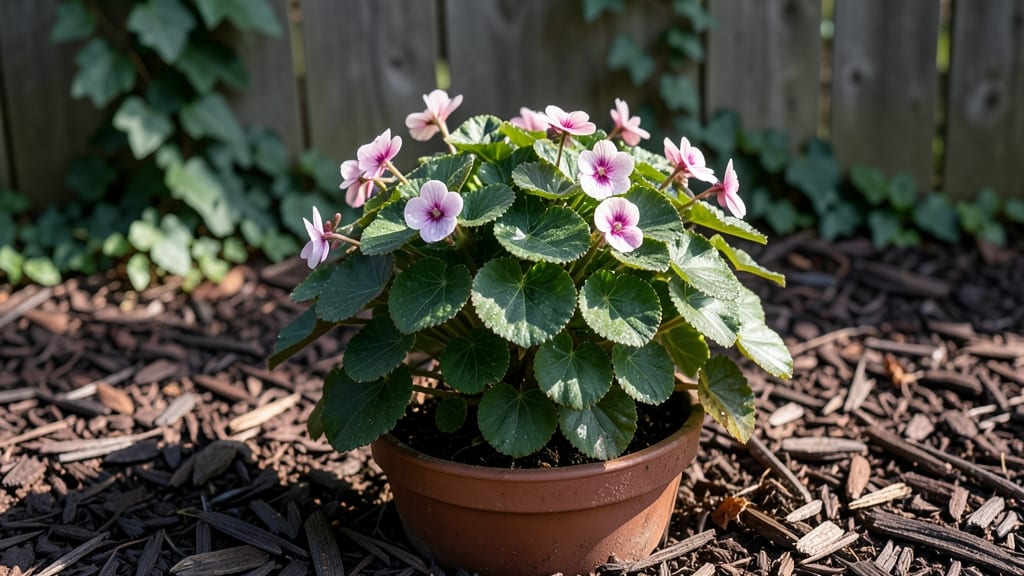
Begonias are shade plants that thrive in indirect light but tolerate limited direct sun, especially in cooler climates. Too much sun causes leaf scorch, while insufficient light leads to leggy growth. Ideal conditions balance shade with bright, filtered exposure for optimal blooms and foliage health.
Begonias aren't just shade-tolerant—they actually prefer dappled sunlight or bright indirect light to prevent stress. 🌿 The key is avoiding harsh midday rays, which can bleach leaves or dry out the soil too quickly.
I've seen begonia leaves develop crispy edges when exposed to too much direct sun, even in morning hours. For indoor growers, east-facing windows provide the perfect balance, while outdoor gardeners should use shade cloth (30-50% coverage) during peak sun hours.
What's fascinating is how begonias adapt: their leaves often develop deeper colors in low light to capture more sunlight, while too much light can cause them to fade or develop sunburn spots.
The Rex begonia variety, for example, thrives in shadier spots and produces stunning foliage patterns, while tuberous begonias can handle slightly more sun but still need afternoon shade in hot climates.
💡 In This Article
- How Sunlight Affects Begonia Growth and Health
- Best Shade Solutions for Growing Begonias Indoors and Outdoors
How sunlight affects begonia growth and health
The science behind begonias' light needs starts with their delicate leaf structure. Begonias have thin, waxy leaves with a high surface area that efficiently captures indirect light but struggles with intense UV exposure.
When exposed to direct sunlight, the chlorophyll molecules in their leaves absorb too much energy, leading to a process called photoinhibition, where photosynthesis slows down and reactive oxygen species damage cells. This is why you'll often see crispy, brown edges on leaves—it's a clear sign of sunburn.
Light intensity also impacts how begonias allocate energy. In low-light conditions, they prioritize leaf growth over blooming, resulting in those leggy, sparse-leafed plants. The ideal scenario is 1,000-2,000 foot-candles of light (about 50% of full sun), which triggers balanced growth.
For comparison, a typical office receives 200-500 foot-candles, while direct sunlight can reach 10,000 foot-candles or more. Begonias thrive in that sweet spot between the two extremes.
Leaf pigmentation offers another clue about light needs. In low light, begonias produce more anthocyanins (the pigments that give leaves their deep reds and purples), which help capture more light.
But too much sun causes these pigments to break down, leading to pale, bleached leaves. 🌿 The Rex begonia, for instance, relies on these pigments for its stunning foliage patterns, which is why it performs best in bright but indirect light.
Temperature plays a hidden role too. In cooler climates (below 75°F), begonias can tolerate more direct sun because their metabolic rate slows down, reducing stress. But in hotter conditions (above 85°F), even morning sun becomes risky.
This is why gardeners in the South often use shade cloth—it filters out 30-50% of UV rays while maintaining enough light for photosynthesis.
What most people overlook is how begonias' roots respond to light conditions. In low light, roots grow longer and thinner to seek out nutrients, while in ideal light, they develop a stronger, more compact structure.
This root behavior directly impacts how well the plant absorbs water and minerals—another reason why leggy begonias often struggle with poor nutrient uptake.
For blooming varieties like tuberous begonias, light is even more critical. They need at least 4-6 hours of bright indirect light daily to trigger flowering. Without enough light, they'll focus all their energy on leaf production, leaving you with a lush but non-flowering plant.
The trade-off is clear: too little light means weak growth, while too much causes stress and damage.