
Vegetables
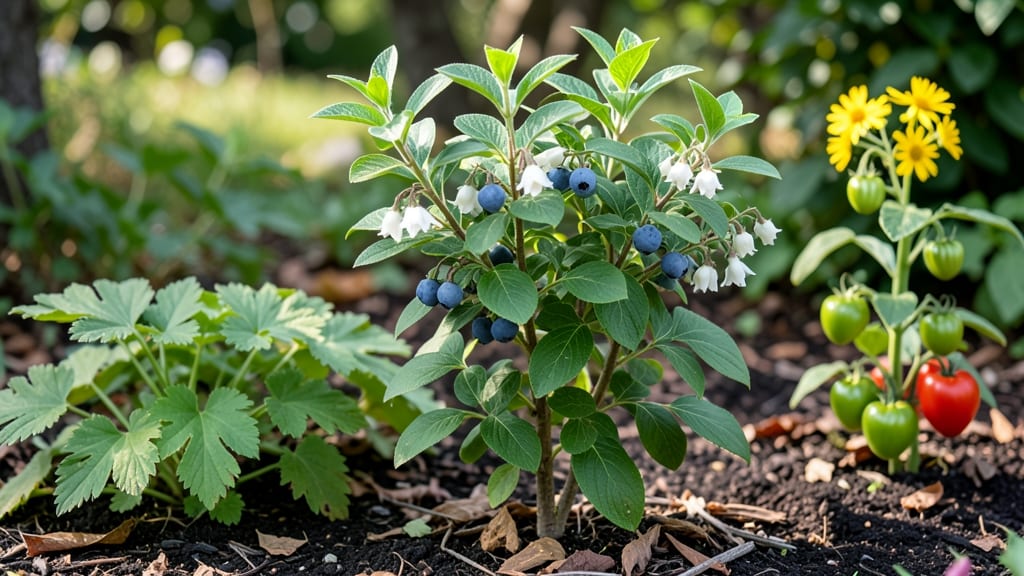
Blueberries are not a nightshade—they belong to the Ericaceae family, not Solanaceae. Nightshades include tomatoes, potatoes, and peppers, which share a botanical family linked to solanine, a compound absent in blueberries. Always verify plant families before dietary restrictions apply.
Blueberries are often mistaken for nightshades because they share some dietary benefits, like antioxidants, but their botanical families are completely different. 💫 The Ericaceae family (which includes blueberries) produces berries with a unique fruit structure, while Solanaceae plants develop berries from a single ovary and contain solanine—a compound that can trigger reactions in sensitive individuals.
If you're following an anti-inflammatory diet, you can safely enjoy blueberries while avoiding their nightshade cousins like eggplants or tomatoes.
This distinction matters especially for people managing autoimmune conditions, where solanine sensitivity is a common concern. Many berries—such as raspberries, blackberries, and strawberries—are also nightshade-free, making them excellent alternatives. Always double-check plant classifications when planning meals, as mislabeling can lead to unintended dietary restrictions.
💡 In This Article
- Why Blueberries Aren’t Nightshades: Botanical Family Breakdown
- Nightshade-Free Alternatives for Anti-Inflammatory Diets
Why blueberries aren’t nightshades: botanical family breakdown
The key difference between blueberries and nightshades lies in their botanical families: blueberries belong to Ericaceae, while nightshades like tomatoes and potatoes are in Solanaceae. The Solanaceae family is defined by its production of solanine—a glycoalkaloid compound that can cause digestive upset or allergic reactions in sensitive individuals.
Blueberries, however, contain zero solanine, making them safe for those avoiding nightshade-related compounds. 🔥
Botanically, blueberries and nightshades also differ in fruit structure. Nightshade fruits develop from a single ovary, forming a berry with multiple seeds embedded in fleshy tissue (like a tomato). Blueberries, however, are aggregate fruits—each berry forms from multiple fused ovaries, creating a unique texture and seed distribution.
Their leaves also vary: nightshade leaves are typically broad and smooth, while blueberry leaves are narrow, leathery, and often evergreen.
Another critical distinction is the chemical composition. Nightshades contain alkaloids like solanine and chaconine, which can trigger inflammation in some people. Blueberries, on the other hand, are packed with anthocyanins (the pigments that give them their deep blue color) and proanthocyanidins, both of which are anti-inflammatory.
This is why blueberries are often recommended for heart health and cognitive function, while nightshades are sometimes restricted in anti-inflammatory diets. ✨
Myths about blueberries being nightshades persist because both groups share some dietary benefits, like antioxidants. However, their biological pathways differ entirely. For example, tomatoes (a nightshade) contain lycopene, while blueberries contain delphinidin, a unique anthocyanin not found in Solanaceae fruits.
This chemical diversity means their health effects—and potential allergens—are completely unrelated.
If you're managing an autoimmune condition, this distinction is vital. Many people accidentally avoid blueberries by assuming all berries are nightshades. In reality, berries like raspberries, blackberries, and strawberries are also Rosaceae family members, free from solanine. Always cross-reference plant families when planning meals to avoid unnecessary restrictions.
For gardeners, this knowledge is equally important. Nightshades and blueberries have different growing requirements: nightshades thrive in warm climates and need well-draining soil, while blueberries prefer acidic soil (pH 4.5-5.5) and cooler temperatures.
Planting them together can lead to confusion in identification and harvest, so labeling your garden beds clearly is a smart practice. 💫