
Shrubs
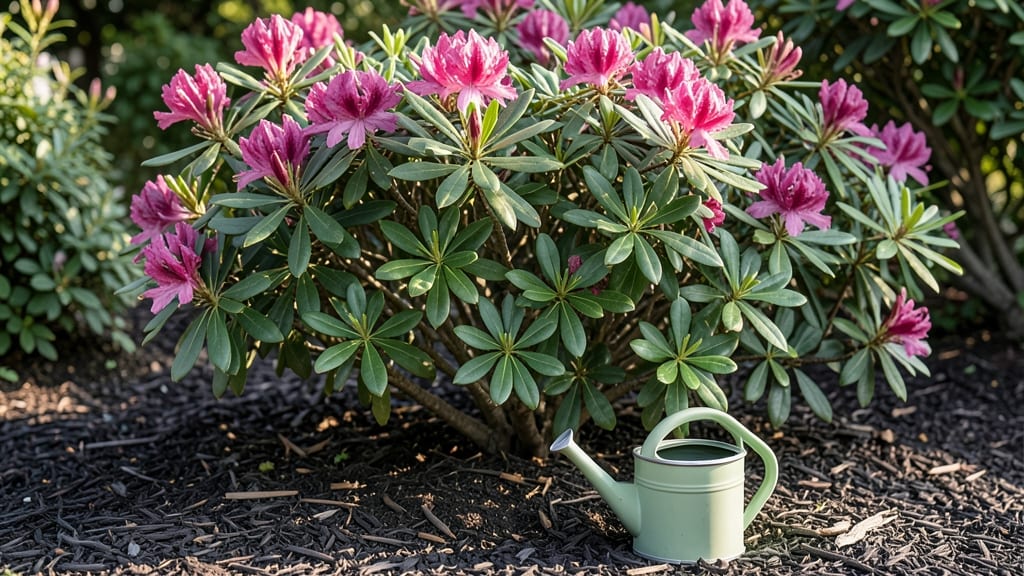
Azalea bushes thrive in partial shade with morning sun or filtered light 🌸 — but get the balance wrong, and you’ll end up with leaf scorch or sparse blooms.
Struggling to keep your azalea bushes blooming beautifully? The secret often lies in understanding their light needs—too much sun or too little shade can drastically impact their health and flower production.
Most gardeners assume azaleas need deep shade, but they actually crave a mix of bright, indirect light and afternoon respite. Think of it like a sunbathing session: a little morning warmth, then a cool break before the heat peaks.
In this guide, I’ll break down the ideal light conditions, how to adjust care based on your azalea’s spot, and which varieties handle sun or shade best. No more guesswork—just vibrant blooms all season.
 Best Window Placement
Ideal sunlight conditions for azalea bushes: finding the perfect balance
Azaleas thrive when given the right balance of sunlight, but finding that sweet spot can be tricky. These stunning shrubs prefer partial shade, which means they need protection from the harsh afternoon sun while still enjoying some morning sunlight.
Too much sun leads to leaf scorch, while too little shade can result in sparse blooms. Understanding your azalea's light needs is the first step to keeping them healthy and vibrant.
Most azaleas do best with 2-4 hours of morning sunlight followed by afternoon shade. This mimics their natural woodland habitat, where they grow under taller trees that filter direct sunlight.
In hotter climates, even morning sun can be too intense, so you may need to provide additional shade during peak hours. Let's explore how to create the perfect light environment for your azaleas.
Regional differences play a huge role in determining the ideal light conditions. In cooler northern climates, azaleas can handle more direct sunlight, while those in southern regions often need more protection.
Even within your own garden, microclimates can create variations in light exposure. Pay attention to how your azalea responds to its current location and adjust accordingly.
| Light Condition | Optimal Sun Exposure | Best For | Signs of Stress |
|---|
| Morning Sun | 2-4 hours (before 10 AM) | Cooler climates, east-facing locations | Leaf discoloration, weak stems |
| Afternoon Shade | Full shade after 2 PM | Hot climates, west-facing locations | Pale leaves, poor blooming |
| Dappled Shade | Filtered light (30-50% coverage) | Ideal for most azalea varieties | Yellowing leaves, stunted growth |
| Full Sun | More than 6 hours direct sun | Only for sun-tolerant varieties | Brown leaf edges, leaf drop |
| Deep Shade | Less than 2 hours light | Not ideal for blooming | Leggy growth, few flowers |
One of the most common signs of too much sun is leaf scorch, which appears as brown or crispy edges on the leaves. This occurs when the intense sunlight dries out the leaf tissue faster than the plant can absorb water.
If you notice these symptoms, move your azalea to a shadier spot immediately. In severe cases, the plant may even drop its leaves to conserve moisture.
On the opposite end, insufficient light can cause azaleas to become leggy and sparse with long, weak stems and fewer blooms. The leaves may also appear pale or yellowish, indicating the plant is stretching toward any available light.
If your azalea is in deep shade, consider transplanting it to a sunnier location or providing artificial light if growing indoors.
Seasonal adjustments are crucial for azalea care. During summer, when the sun is strongest, you may need to provide additional shade using sheer curtains, lattice screens, or even temporary shade cloths.
In winter, azaleas can often handle more direct sunlight since the sun's rays are less intense. However, avoid placing them in harsh, reflective surfaces that can concentrate heat.
If you're unsure whether your azalea is getting the right amount of light, observe it throughout the day. Notice when the leaves appear most vibrant and when they start to show signs of stress.
You can also use a light meter or even a simple app to measure the light intensity in different areas of your garden. This data can help you make informed decisions about where to place your azaleas for optimal growth.
Remember that azaleas are not one-size-fits-all when it comes to light. Some varieties, like the Rhododendron canescens, are more tolerant of full sun, while others, such as Rhododendron carolinianum, prefer more shade.
Always check the specific requirements of your azalea variety to ensure you're providing the best possible growing conditions. With the right balance of sunlight, your azaleas will reward you with stunning blooms year after year.
🌸
How to adjust azalea care based on sun or shade exposure
Azaleas thrive in partial shade, but their care needs shift dramatically depending on whether they receive morning sun or filtered sunlight. Too much direct sun can scorch leaves, while insufficient light weakens blooms.
Let’s break down how to adjust your watering, fertilizing, and pruning routines based on their light environment.
In partial shade (4-6 hours of light), your azaleas will need consistent moisture and regular feeding to compensate for lower light levels. If they’re in filtered sunlight (dappled or morning sun), you’ll focus on protecting them from afternoon heat.
Understanding these differences ensures your azaleas stay healthy and bloom abundantly year after year.
- 1 Watering: Partial shade azaleas need weekly deep watering (1-2 gallons per plant). In filtered sunlight, water every 5-7 days to prevent soil drying.
- 2 Fertilizing: Feed shade-loving azaleas with acidic fertilizer (10-10-10) every 4-6 weeks in spring/fall. Sun-exposed azaleas need less frequent feeding (every 8 weeks) to avoid salt buildup.
- 3 Pruning: Trim shade azaleas after blooming to shape and encourage new growth. Sunny azaleas need light pruning to reduce leaf scorch risk—avoid heavy cuts in summer.
- 4 Seasonal Adjustments: In summer heat, mulch sunny azaleas with 3 inches of pine bark to retain moisture. Shade azaleas benefit from light mulch (1-2 inches) to protect roots.
- 5 Signs of Stress: Yellow leaves = overwatering or poor drainage. Brown leaf edges = too much sun or dry soil. Adjust care immediately to prevent permanent damage.
For azaleas in partial shade, focus on maintaining even soil moisture and using slow-release fertilizers to avoid nutrient runoff. I’ve found that adding composted pine needles to the soil mimics their natural acidic habitat, which boosts bloom production.
In filtered sunlight, prioritize morning watering to reduce evaporation and provide afternoon shade with nearby trees or lattice screens.
Seasonal shifts matter too. In spring, when azaleas are actively blooming, increase watering slightly for sun-exposed plants to support flower development. By late summer, reduce watering for shade azaleas to encourage dormancy. Always check soil moisture by sticking your finger 2 inches deep—if it’s dry, water deeply.
Pruning is another critical adjustment. Shade azaleas can handle moderate pruning after blooming to maintain their shape, while sunny azaleas should only be pruned lightly in early spring to avoid stress.
Deadheading spent blooms year-round helps redirect energy to new growth, whether your azaleas are basking in morning sun or thriving under a canopy.
Pro tip: If your azalea’s leaves start curling or turning crispy, it’s a clear sign of sunburn. Move it to a shadier spot immediately and increase watering frequency. With the right adjustments, your azaleas will reward you with vibrant blooms for years to come! 🌸