
Light Requirements
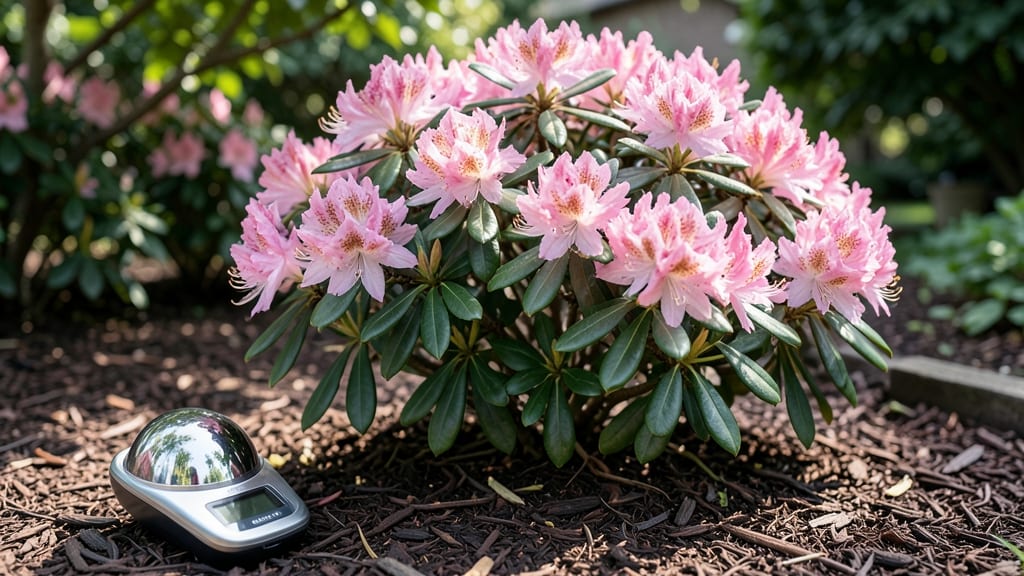
Azaleas thrive in partial shade with morning sun and afternoon shade 🌸 — but the right balance between full sun and shade can make or break your blooms.
Struggling to keep your azaleas blooming beautifully? The battle between full sun and shade might be the missing piece—getting the light balance right can transform your azaleas from underwhelming to show-stopping.
Too much sun leads to crispy leaves and faded flowers, while too little shade can leave your plants leggy and sparse. In USDA Zone 6a, where I garden, the key is mimicking their natural woodland habitat: bright but indirect light for most of the day.
Below, I’ll break down exactly how much sun your azaleas can handle, how to spot when they’re getting it wrong, and how to adjust care for peak blooms every spring.

Azalea light requirements: full sun vs shade tolerance explained
Azaleas are stunning shrubs that can turn your garden into a vibrant display—but their light requirements are often misunderstood. While they love bright, indirect light, too much direct sun can scorch their delicate leaves, while deep shade may reduce blooms.
The key is finding the perfect balance, which varies by azalea variety and climate. Let’s break down what your azaleas truly need to thrive.
Most azaleas, including popular Rhododendron hybrids and Kurume azaleas, prefer morning sun with afternoon shade.
This mimics their natural understory habitat in forests, where they receive dappled sunlight through tree canopies. Enkianthus, often called "redvein azalea," is slightly more tolerant of sun but still benefits from afternoon protection. Understanding these differences helps you place your azaleas correctly for peak blooms and healthy foliage.
| Azalea Type | Sun Tolerance | Ideal Light Conditions | Bloom Impact |
|---|---|---|---|
| Rhododendron Azaleas | Partial Shade | 3-4 hours morning sun | Vibrant blooms, lush foliage |
| Kurume Azaleas | Partial Shade | 2-3 hours filtered sun | Compact growth, prolific flowers |
| Enkianthus (Redvein Azalea) | Partial Sun | 4-5 hours sun (with shade) | Bright red blooms, heat tolerance |
| Evergreen Azaleas | Partial Shade | Morning sun, afternoon shade | Year-round foliage, moderate blooms |
Native azaleas, like those found in the Appalachian Mountains, often grow under forest canopies where sunlight is filtered through leaves. This means they’re adapted to low to moderate light conditions.
However, hybrid azaleas, bred for gardens, can handle slightly more sun—especially Enkianthus varieties, which tolerate up to 5 hours of sun if protected from intense afternoon rays.
Too much full sun exposure causes leaf scorch, where edges turn brown and crispy. This happens because azaleas lack the protective wax coating of sun-loving plants. On the flip side, deep shade leads to leggy growth, fewer blooms, and pale leaves.
The goal is to provide bright, indirect light—think of it as sun through a sheer curtain rather than direct beams.
If you’re in a hot climate like Zone 8 or higher, afternoon shade is a must to prevent heat stress. Use lightweight shade cloth (30-50% coverage) or plant near tall trees or structures to block harsh afternoon sun.
In cooler climates (Zones 4-6), azaleas can handle more morning sun since afternoon light is gentler.
For container-grown azaleas, light needs change slightly. Pots dry out faster, so place them where they get morning sun and afternoon shade while ensuring the soil stays moist.
A north-facing patio or east-facing window is ideal. Avoid south-facing spots, which can bake the roots and leaves, especially in plastic pots that overheat.
Monitor your azaleas’ foliage and blooms to adjust light exposure. If leaves turn yellow or brown, they’re getting too much sun. If growth is spindly with sparse flowers, they need more light. The perfect balance ensures your azaleas stay lush, blooming, and healthy for years to come.
Pro tip: Mulch around the base with pine bark or wood chips to retain moisture and regulate soil temperature. This helps azaleas handle light fluctuations better, especially in urban
How to adjust light conditions for azaleas in different climates
Azaleas thrive in morning sun with afternoon shade, but their needs vary dramatically based on your climate. In hot southern climates, intense afternoon rays can scorch leaves, while cold northern gardens often benefit from more morning warmth.
Urban gardeners face unique challenges with concrete heat and limited shade options. The key is adapting their environment—not just moving the plant—to create the perfect light balance.
For hot climates, I’ve found that strategic placement near east-facing walls or under deciduous trees works wonders. These trees provide natural shade when leaves emerge in spring, while allowing winter sunlight to reach the shrubs.
In cold climates, south-facing windows or protected microclimates near buildings can extend the growing season by capturing gentle morning sunlight without harsh afternoon exposure.
- 🌡️ Hot Climates: Use afternoon shade cloth (30-50% shade) to block intense rays; prune to open canopy for airflow
- ❄️ Cold Climates: Place in morning sun spots with afternoon protection; mulch heavily to retain warmth
- 🏙️ Urban Gardens: Grow in large containers with reflective surfaces; rotate pots for even light exposure
- 🌿 Pruning Tip: Thin out dense inner branches to improve light penetration to lower growth
- 🪴 Companion Plants: Pair with ferns or hostas for natural shade and moisture retention
Mulching is my secret weapon for light adjustment. A 3-inch layer of pine bark mulch not only regulates soil temperature but also blocks harsh light from reaching the roots. In urban settings, I’ve had success using light-colored gravel mulch to reflect excess heat while still allowing water penetration.
For container-grown azaleas, I recommend using black plastic pots in summer to absorb heat and white pots in winter to reflect warmth.
Pruning isn’t just about shaping—it’s a light management tool. I prune my azaleas in late spring after blooming to remove any branches growing into full sun areas. This opens up the plant’s interior to receive gentler, filtered light while maintaining the shrub’s natural form.
For varieties like Kurume azaleas, which bloom on old wood, I avoid heavy pruning to preserve next year’s flower buds.
Don’t overlook the power of companion planting. Tall ornamental grasses like Miscanthus can provide windbreaks while casting dappled shade, while low-growing ferns create a living shade mat.
In my own garden, I’ve noticed that azaleas paired with hydrangeas thrive better—their overlapping canopies create a microclimate that mimics their native woodland conditions.
Remember, azaleas are flexible but not forgiving. If you notice yellowing leaves or leaf scorch, it’s a sign of too much sun. Conversely, long, sparse stems with few blooms mean they’re stretching for light.
Adjust gradually—move plants incrementally rather than all at once—to avoid shocking their delicate root systems. With these adjustments, your azaleas will reward you with vibrant blooms year after year.