
Planting
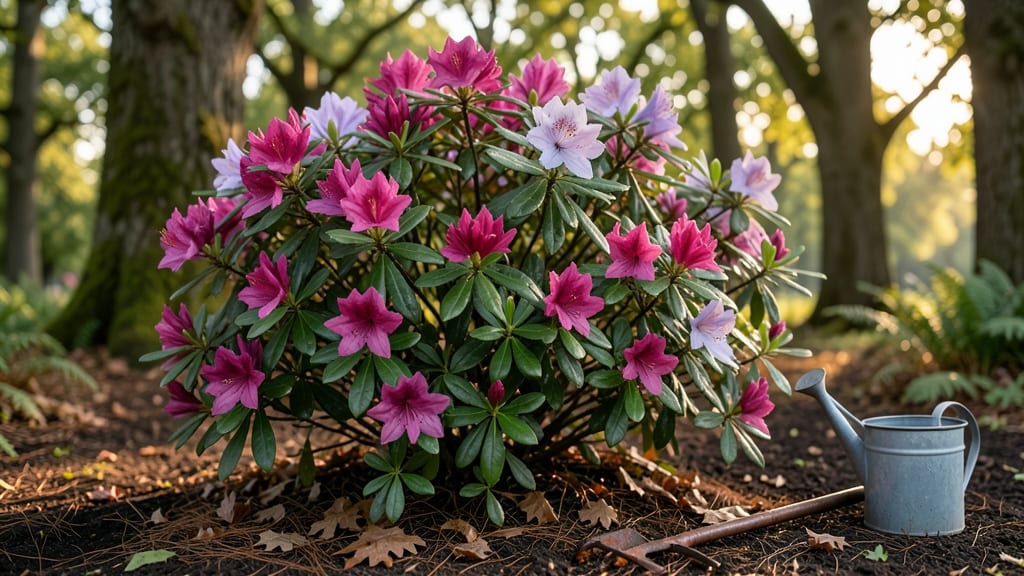
The azalea plant shade lover’s dream is real—my darkest corner now bursts with vibrant blooms every spring, thanks to the perfect variety for dappled gloom. 🌿 I’ve grown azaleas in spots that get just 2-3 hours of morning sun, and with the right care, they outperform sun-loving plants in full light.
Start with acidic, well-draining soil—azaleas hate soggy feet. Mix in peat moss or pine bark to mimic their natural forest floor, and mulch with pine needles to keep roots cool. Water deeply 2-3 times a week (daily in summer), but avoid wetting the leaves to prevent fungal issues.
The key is consistency: azaleas in shade need steady moisture but despise soggy soil.
For flowering, pick shade-tolerant varieties like ‘Girard’s’ or ‘Hino Crimson’—they’ll reward you with bold blooms even in low light. If leaves yellow, it’s usually iron deficiency (use chelated iron) or overwatering. Prune lightly after blooming to encourage next year’s flowers, and avoid heavy cuts that stress the plant.
Works in containers or garden beds, from subtropical climates to cool temperate zones. My azaleas in Zone 7 bloom reliably under a large oak tree—proof that shade isn’t a limitation, just a different set of rules. Let’s get yours thriving!
📚 In This Guide
- What you need
- Instructions
- Tips and common mistakes
- Wrapping up and next steps
What you need
- ● Azalea plants – Choose shade-tolerant varieties like Rhododendron 'Catawbiense or Rhododendron 'PJM. Buy 3-5 mature plants (3-5 gallons each) for a fuller look.
- ● Well-draining potting mix or garden soil – 50 lbs of peat-based or acidic soil mix (pH 4.5–6.0). Avoid heavy clay.
- ● Organic mulch – 2-3 bags (3 cubic feet each) of pine bark fines or shredded leaves to retain moisture and acidify soil.
- ● Slow-release fertilizer – 1 lb of acid-loving plant fertilizer (10-10-10 or 8-3-9 ratio) with micronutrients like iron and magnesium.
- ● Watering can or hose with a gentle spray nozzle – For deep, consistent watering without disturbing roots.
- ● Garden trowel or spade – For digging holes 2x wider and 1x deeper than the root ball.
- ● Gloves – 2 pairs (one for digging, one for handling mulch). Opt for gardening gloves with reinforced palms.
- ● Pruning shears – 1 pair with bypass blades for shaping and deadheading.
- ○ pH testing kit – Optional but helpful! Test soil before planting to confirm acidity.
- ○ Drip irrigation or soaker hose – Optional for automated watering in dry shade.
- ● 🔍 Shady spot – Partial to full shade (2–6 hours of dappled sunlight max). Avoid dense, dark shade like under thick trees.
- ● 💧 Moisture control – Azaleas hate soggy roots! Ensure good drainage or plant on a slight slope.
- ● 🌡️ Temperature awareness – Avoid planting in extreme heat (wait for cool, overcast days or early spring/fall).
Step-by-step guide to cultivating thriving azaleas in shade
Here's how to select and nurture azaleas that flourish in low-light conditions—no gardening experience required.
🌿 Step 1: Choose the Right Azalea Variety for Shade
Not all azaleas tolerate shade equally. For deep shade (less than 3 hours of direct sun), select varieties like Encore Azaleas (bloom in spring, summer, and fall) or Rhododendron 'Catawbiense', which thrive in partial to full shade. These varieties have evolved to handle low light better than their sun-loving cousins.
Check the label or nursery description for terms like "shade-tolerant" or "low-light adapted." I always avoid Kurume azaleas for deep shade—they need at least 4 hours of morning sun to produce vibrant blooms. If your space is dim, opt for evergreen varieties like 'PJM' rhododendron, which provide year-round structure even when not in bloom.
☀️ Step 2: Position for Optimal Indirect Light
Azaleas in shade still need dappled light or bright indirect light to prevent leggy growth and sparse flowering. Place them near east-facing windows or under high-canopy trees where they receive filtered sunlight. Avoid north-facing walls entirely—these spots often lack sufficient light intensity for even shade-tolerant varieties.
Watch for yellowing leaves or stretched stems—these are signs your azalea isn't getting enough light. If you notice this, move the plant to a slightly brighter spot gradually (over 2-3 weeks) to avoid shocking the foliage. A grow light placed 12-18 inches away for 6-8 hours daily can supplement light in truly dark corners.
💧 Step 3: Maintain Consistent Moisture and Acidic Soil
Shade-loving azaleas demand consistently moist, well-draining soil with a pH between 4.5 and 6.0. Test your soil's pH using a kit—if it's too alkaline, amend with sulfur or peat moss to lower it. I add 2-3 inches of organic mulch (like pine bark) annually to retain moisture and acidify the soil over time.
Water deeply 2-3 times per week during the growing season, ensuring the top 2-3 inches of soil remain moist. Let the top inch dry slightly between waterings to prevent root rot. In winter, reduce watering to once every 10-14 days unless your climate is particularly dry. Overwatering in shade is a common mistake—azaleas in low light are more prone to fungal diseases like root rot.
✂️ Step 4: Prune for Shape and Encourage Blooms
Prune azaleas immediately after flowering to shape the plant and promote next year's blooms. Use clean, sharp pruners to make cuts just above a leaf bud or branch junction. Avoid heavy pruning—never remove more than 25% of the plant's foliage at once, as this stresses shade-sensitive varieties.
Focus on removing dead, crossing, or overcrowded branches first. Thin out interior growth to improve air circulation, which reduces humidity-related diseases in shaded areas. If your azalea develops bare stems at the base, it's a sign of over-pruning or insufficient light. In this case, reduce pruning to light shaping only and move the plant to a slightly brighter spot.
🌱 Step 5: Fertilize for Shade-Grown Vigor
Feed shade-grown azaleas with a slow-release, acid-loving plant fertilizer (like 10-10-10 or 8-3-9) in early spring and again in mid-summer. Avoid high-nitrogen fertilizers—they promote leafy growth at the expense of flowers. Instead, use a balanced formula with micronutrients to support blooming in low-light conditions.
Apply fertilizer according to package instructions, but halve the dose if your azalea is in a container or small root zone. Over-fertilizing in shade leads to salt buildup in the soil, which burns roots. After fertilizing, water deeply to help distribute nutrients evenly. I also add composted pine needles annually to the soil surface—they slowly release nutrients and maintain acidity naturally.
Tips & tricks for perfect shade-grown azaleas
A few key strategies that'll help your shade azaleas thrive where others fail.
Variety Selection: When choosing your azalea, prioritize Encore Azaleas or Rhododendron 'Catawbiense' for their exceptional shade tolerance. These varieties can handle deep shade conditions (less than 3 hours of direct sun) while still producing vibrant blooms. Here's what I've learned: evergreen varieties like 'PJM' rhododendron are particularly resilient in low light, offering year-round structure even when not in bloom. Avoid Kurume azaleas—they require at least 4 hours of morning sun to perform well.
Light Supplementation: If your azalea shows signs of stretching or sparse flowering, it's likely not getting enough light. A simple grow light placed 12-18 inches away for 6-8 hours daily can work wonders in truly dark corners. I recommend using a full-spectrum LED grow light—it mimics natural sunlight without the heat. Position it near the plant's top growth to encourage even development. This supplement is especially helpful for indoor azaleas or those growing under dense tree canopies.
Soil Acidification: The pH of your soil is critical for shade azaleas, which thrive in acidic conditions between 4.5 and 6.0. I've found that adding 2-3 inches of organic mulch like pine bark annually does double duty—it retains moisture while gradually acidifying the soil. For container-grown azaleas, use a specialized acid-loving plant mix and consider adding composted pine needles to the soil surface. These organic amendments release nutrients slowly, preventing the salt buildup that can occur with synthetic fertilizers.
Pruning Precision: When pruning your shade azalea, focus on removing only dead, crossing, or overcrowded branches—never more than 25% of the foliage at once. This careful approach prevents stressing the plant, which is particularly important for shade-sensitive varieties. After pruning, look for any bare stems at the base—this is a clear sign your azalea needs either more light or less aggressive pruning. I always prune immediately after flowering to encourage next year's blooms while maintaining the plant's natural shape.
Pro Tips for Azalea Plant Shade
- A few key strategies that'll help your shade azaleas thrive where others fail.
- Variety Selection: When choosing your azalea, prioritize Encore Azaleas or Rhododendron 'Catawbiense' for their exceptional shade tolerance.
- Light Supplementation: If your azalea shows signs of stretching or sparse flowering, it's likely not getting enough light.
Frequently asked questions
What’s the best type of shade for azaleas?
Azaleas thrive in dappled or partial shade (3–6 hours of morning sun, or filtered light). Avoid deep, dark corners or harsh afternoon sun, which can scorch leaves. East-facing spots or locations under tall trees (with high canopy) are ideal!
How do I know if my azalea is getting too much or too little shade?
Too little shade? Look for yellowing leaves, leaf scorch, or sparse blooms. Too much shade? Stunted growth, fewer flowers, or leggy stems are red flags. Adjust by pruning nearby branches or moving pots to a brighter spot gradually.
Can azaleas grow in full shade? Will they still bloom?
Some evergreen azaleas (like Rhododendron obtusum) tolerate full shade but may produce smaller, fewer blooms. For best results, aim for at least 3 hours of indirect light. If blooms are sparse, try relocating to a sunnier spot during spring.
What are good shade-loving alternatives if azaleas struggle in my space?
Try these low-maintenance, shade-tolerant plants:
- Hydrangeas (thrive in partial shade, vibrant blooms)
- Ferns (lush foliage, zero flowers but high texture)
- Caladiums (stunning leaves, great for deep shade)
- Heuchera (Coral Bells) (colorful foliage, drought-tolerant)
Why are my azalea leaves turning yellow in shade?
Yellowing leaves in shade are often due to overwatering, poor drainage, or nutrient deficiency. Check soil moisture—azaleas prefer acidic, well-draining soil. Amend with peat moss or pine bark if needed. Yellow edges? Fluoride toxicity (common near roadways) might be the culprit—rinse leaves with water.
Wrapping up and next steps
Growing azaleas in shady spots is totally doable—and rewarding! 🌿 With the right variety, soil prep, and care, you can turn those dim corners into vibrant, blooming havens.
Whether you're a seasoned gardener or just starting, choose your shade-tolerant azalea, amend the soil, and keep it happy with consistent moisture. Now’s the perfect time to grab some plants and get growing!
Ready to transform your space? Start by picking a spot, testing your soil, and picking out your favorite azalea—then watch your garden bloom with color!