
Orchid Care
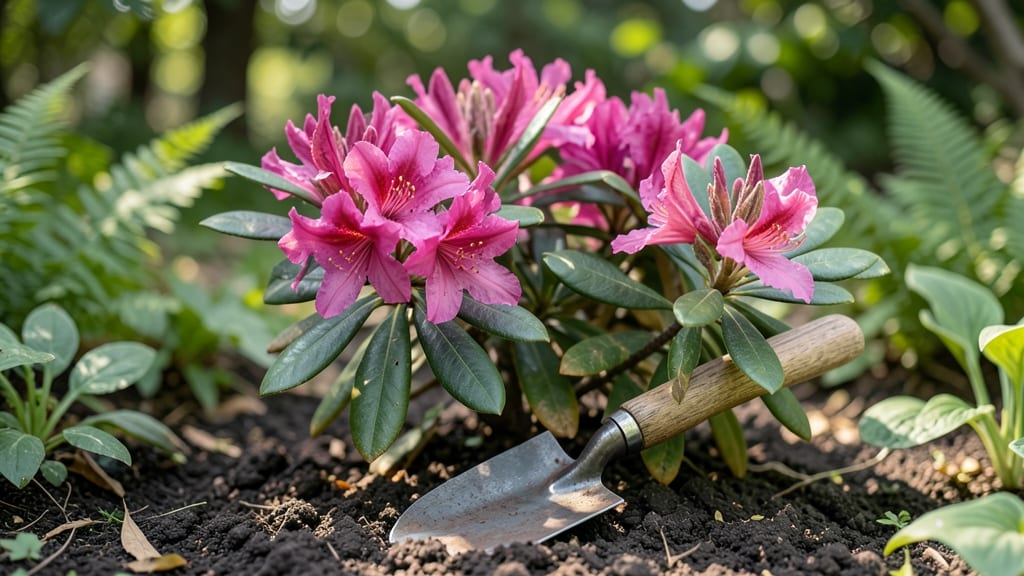
Do azaleas prefer sun or shade—ideally, they adore the demonstrative balance of morning sun and afternoon shade for those stunning blooms 🌸, the secret to keeping them lush and vibrant.
If you’ve ever watched your azaleas wilt under harsh afternoon rays or struggle to bloom in deep shade, you’re not alone. Many gardeners assume these beauties need full sun or total shade, but the truth is somewhere in between.
In USDA Zone 6a, where fall planting is ideal, azaleas need about 2-4 hours of morning sunlight paired with afternoon shade to prevent leaf scorch. Too much direct sun can crisp their delicate leaves, while too little light weakens growth and blooms.
Below, I’ll break down how to position your azaleas for success—whether in containers, under trees, or along your garden’s edge—so you can enjoy their stunning flowers year after year.
 Best Window Placement
Azalea light requirements: finding the perfect sun vs shade balance
Azaleas thrive in filtered light, but their exact needs vary by region and variety. Southern-grown azaleas tolerate slightly more sun, while Northern varieties prefer gentle shade. Understanding this balance is key to vibrant blooms and lush foliage.
Most azaleas need morning sun and afternoon shade—about 2-4 hours of direct sunlight daily. Too much harsh afternoon sun causes leaf burn, while too little light leads to sparse blooms. Let’s break down the ideal conditions for your azalea varieties.
| Variety | Light Needs | Sun Tolerance | Best Placement |
|---|---|---|---|
| Southern Azaleas (e.g., 'Formosa', 'Hino Crimson') | Morning sun + afternoon shade | Moderate (up to 6 hrs sun) | East-facing beds or under light trees |
| Northern Azaleas (e.g., 'Kaleidoscope', 'Pink Charm') | Dappled shade (2-3 hrs max sun) | Low (avoid hot afternoon sun) | Under tall trees or shaded patios |
| Evergreen Azaleas (e.g., 'Oconee', 'Southern Indica') | Partial shade (3-4 hrs sun) | Moderate (leaf burn risk in full sun) | North or east-facing garden spots |
| Deciduous Azaleas (e.g., 'Girard's', 'Hershey's Red') | Morning sun + filtered afternoon light | Moderate (tolerates more sun than evergreens) | Open but sheltered areas |
Southern azaleas, like 'Formosa', can handle up to 6 hours of sun if protected from harsh afternoon rays. Their thicker leaves resist scorch better than Northern varieties. For Northern-grown azaleas, like 'Kaleidoscope', stick to 2-3 hours of morning sun to prevent leaf damage.
Evergreen azaleas, such as 'Southern Indica', need 3-4 hours of partial shade. Plant them where they receive morning sunlight and afternoon dappling from nearby trees. This mimics their natural understory habitat and promotes healthier foliage.
Deciduous azaleas, like 'Girard’s', are the most sun-tolerant and can thrive with morning sun and filtered afternoon light. They’re ideal for southeastern gardens where summers are hot. Position them where they get bright indirect light for most of the day.
If your azaleas are in containers, move them to a shadier spot during peak summer hours. A 50% shade cloth can help filter intense sunlight, especially for Northern varieties. Rotate pots weekly to ensure even light exposure and prevent one-sided growth.
Watch for leaf color changes—dark green leaves mean they’re getting enough light, while pale or yellowing leaves signal too much sun. Conversely, dark green but sparse blooms often mean they need more light. Adjust their placement gradually to avoid shocking the plant.
In urban gardens, use tall plants or lattice screens to create custom shade zones. For example, place azaleas near a north-facing fence or under a light canopy tree like a Japanese maple. This creates a microclimate with ideal light conditions.
Remember, azaleas are understory plants by nature, so they prefer gentle, diffused light. Mimic their woodland habitat by providing protection from harsh midday sun, especially in Zones 7-9 where summers are intense. With the right balance, your azaleas will reward you with showstopping blooms year after year.
Signs your azaleas aren’t getting the right light exposure
Your azaleas might be silently screaming for help if their light exposure is off. Leaf scorch on edges or yellowing foliage often signals too much harsh afternoon sun, while sparse blooms or leggy growth usually means they’re craving more filtered light.
Even evergreen azaleas can suffer when their needs aren’t met.
In hotter climates, Southern-grown azaleas tolerate slightly more sun than their Northern cousins, but all varieties need protection from intense midday rays. The key is finding that sweet spot between morning sun and afternoon shade—where blooms stay vibrant and leaves stay lush.
Let’s diagnose the signs and fix them fast!
⚠️ Azalea Light Crisis: What’s Really Wrong?
Too much sun? Look for crispy, brown leaf edges or white/yellow patches—this is sunburn in action. Too little light? Check for pale, sparse foliage or fewer blooms than usual. Azaleas in containers are especially vulnerable because their roots can’t regulate temperature like in-ground plants.
Quick fix: Move potted azaleas to a shadier spot immediately if leaves show scorch marks. For in-ground plants, prune nearby trees to filter light gradually over 2-3 weeks to avoid shocking the plant.
If your azalea’s leaves are turning yellow between veins, it could signal overwatering combined with too much light—roots struggle to absorb nutrients when stressed. But if the yellowing starts at the leaf tips, it’s often a calcium deficiency from inconsistent moisture in hot, sunny spots.
Both issues scream for light adjustments paired with better watering routines.
Seasonal shifts matter too! In summer, azaleas may need extra afternoon shade, while spring might call for more morning sun to kickstart blooming. Watch for bud drop before flowers even open—a classic sign of light stress.
This often happens when azaleas get too much direct sun after a cold winter, confusing their natural rhythm.
Don’t overlook bloom quality as a clue. If flowers are smaller than usual or lack vibrancy, your azalea might be stretching toward light, a sign of under-exposure.
Try relocating it to a bright, indirect spot or adding a sheer curtain to filter harsh light. For container growers, rotate pots weekly to ensure even light distribution.
Pro tip: Prune strategically in late winter to open up the canopy for better light penetration. Thin out crowded branches to let morning sunlight reach inner growth zones—this boosts blooms and reduces disease risk from damp, shaded foliage. Pair this with a mulch layer to regulate soil temperature and moisture.
With the right light balance, your azaleas will reward you with bold blooms and glossy leaves for years. Start by observing their current spot for 6 hours daily—if leaves show stress, it’s time to tweak their environment. Small changes make a big difference! 🌸