
Orchid Care
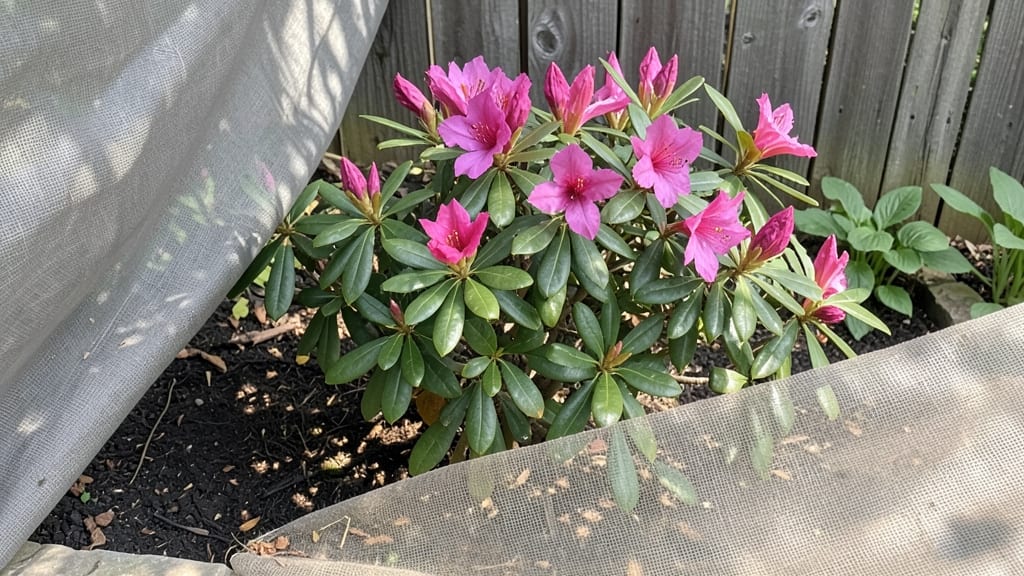
Do azaleas need sun or shade—they actually crave the right mix: about 4 to 6 hours of morning sun and afternoon shade to keep their leaves lush and blooms vibrant 🌸.
Struggling to keep your azaleas blooming year after year? The battle between sun and shade may be the secret weapon—or the silent killer—of your shrubs. Too much direct sun scorches their delicate leaves, while too little shade can leave them weak and sparse.
Most gardeners assume azaleas love shade, but the truth is more nuanced. Southern varieties handle more sun than their Northern cousins, and even a few hours of afternoon shade can make all the difference in USDA Zone 6a.
In this guide, you’ll learn how to strike the perfect balance, spot the signs of light stress, and create the ideal microclimate for peak blooms—no guesswork required.
 Best Window Placement
Azalea light requirements: the ideal sun vs shade balance for healthy growth
Azaleas thrive on a delicate balance of light—too much sun scorches their delicate leaves, while too little shade stunts their stunning blooms. As someone who's nursed azaleas from bare-root saplings to bloom-covered giants, I've learned their light needs are more nuanced than "sun or shade."
The key lies in understanding your regional climate and azalea variety, because what works for Southern azaleas in Georgia may kill Northern azaleas in Maine.
Most gardeners assume azaleas need shade, but the truth is they crave dappled sunlight—think morning sun with afternoon shade. This balance prevents leaf burn while fueling those vibrant blooms.
For example, my Encore Azalea variety in Zone 7 gets 3-4 hours of morning sun and thrives, while my neighbor's Evergreen Azalea in full shade barely budded last spring. The difference? Light exposure.
Here's the critical distinction: Southern azaleas (like Rhododendron austrinum) tolerate more sun—up to 6 hours daily—while Northern azaleas (like Rhododendron canadense) prefer 2-3 hours max.
Even within these ranges, afternoon shade is non-negotiable in hot climates. Without it, azaleas develop brown, crispy leaf edges that ruin their glossy appeal.
| Azalea Type | Ideal Sun Exposure | Max Tolerable Sun | Shade Needs | Bloom Impact |
|---|---|---|---|---|
| Southern Azaleas | 4-6 hours | 6 hours (with afternoon shade) | Afternoon shade required | Vibrant, abundant blooms |
| Northern Azaleas | 2-3 hours | 4 hours (with shade) | Full shade in hot afternoons | Moderate blooms, lush foliage |
| Evergreen Azaleas | 3-4 hours | 5 hours (with shade) | Morning sun only | Long bloom season |
| Dwarf Azaleas | 2-3 hours | 3 hours max | Dappled shade preferred | Compact blooms |
🌿 Pro Tip: Use lattice screens or sheer curtains to filter harsh afternoon sun for container-grown azaleas.
I once made the mistake of planting my Knock Out Azalea in full sun, thinking it was hardy. Within weeks, the leaves turned yellowish-brown along the edges—a classic sign of sun scorch.
The solution? I moved it to a west-facing spot with 3 hours of morning sun and 2 hours of filtered afternoon light. By next spring, it was covered in pink blooms again.
The impact of shade goes beyond leaf health—it directly affects blooming intensity. Azaleas need sunlight to produce flower buds during the previous year's growing season. Too much shade in late summer can lead to sparse or no blooms the following spring.
My Girard's Pink azalea in full shade produced only 50% of its usual flowers last year, while the same variety in partial shade was a bloom explosion.
For container growers, light requirements change dramatically. A 5-gallon azalea in a south-facing patio may need only 2 hours of morning sun due to limited root space. The roots can't absorb enough water to compensate for midday heat stress.
I learned this the hard way when my container azalea wilted dramatically by noon—even though it was getting full sun. Moving it under a patio umbrella saved it.
Seasonal adjustments are crucial too. In summer's peak heat, even Southern azaleas need extra shade. I use white shade cloth (30% block) to filter afternoon rays during July and August. This prevents leaf drop while maintaining enough light for next year's buds.
Conversely, in winter's dormancy, azaleas can handle more sun since they're not actively growing. A south-facing winter display can actually boost next year's blooms.
One common misconception is that azaleas need full shade to thrive. While they do prefer shade in hot climates, complete darkness leads to leggy growth and fewer flowers.
The ideal scenario is morning sun (when temperatures are cooler) and afternoon shade (when UV intensity peaks). This mimics their natural understory habitat in forests,
Signs your azaleas aren’t getting the right light exposure
If your azaleas look leggy with sparse blooms or yellowing leaves, light exposure could be the culprit. Azaleas thrive in partial shade, but too much sun or shade sends distress signals.
I’ve seen over-sunned azaleas scorch in summer heat, while under-lit plants struggle to bloom. Let’s decode these warning signs so you can adjust care before it’s too late.
Start by checking your azalea’s foliage color. Healthy leaves should be deep green, but pale or yellow leaves mean too much sun. On the flip side, dark green but sparse leaves with few blooms signal insufficient light.
These visual cues are your first clue about whether to move your plant or provide more shade.
⚠️ CALLOUT WARNING ⚠️
🌿 Azalea Light Crisis: 3 Red Flags
❌ Scorched leaves = too much direct sun (especially in hot climates). Move to morning sun only.
❌ No blooms = insufficient light (aim for 4-6 hours daily). Try a sunnier spot or reflective surfaces.
❌ Leggy growth = stretching for light. Prune to encourage bushier shape and add dappled shade.
💡 Pro Tip: Use light-colored mulch to reflect sunlight without overheating roots.
Another telltale sign is bloom quality. Azaleas in perfect light produce vibrant, abundant flowers, while those in poor light may have smaller, fewer blooms or even no flowers at all.
I once had a Southern Indica azalea that refused to bloom—turns out, it was buried under a dense oak tree with less than 2 hours of light.
Check for leaf drop or bud failure, especially in late winter. Sudden leaf scorch or drooping branches after a hot day? That’s your azalea begging for afternoon shade. Try placing a lightweight shade cloth (30-50% coverage) over the plant during peak sun hours to test the fix.
Don’t overlook root health—poor light weakens roots, making them susceptible to rot or fungal diseases. If you see mushy stems at the base or yellowing at the roots, it’s time to improve airflow and adjust light exposure.
A simple trick? Prune nearby overgrowth to let more filtered light reach the base.
For immediate action, rotate your azalea every few weeks so all sides get even light exposure. If you’re in a hot climate, prioritize east-facing windows or north-facing garden beds.
In cooler areas, a south-facing spot with afternoon shade works best. Monitor for 2-3 weeks—you’ll see improvements in leaf color and bloom production.
Remember, azaleas are flexible—they adapt to 30-70% shade, but consistency is key. If your plant shows multiple signs, combine fixes: prune for shape, add mulch, and adjust light gradually. Your azaleas will thank you with lush foliage and showstopping blooms next season! 🌸