
Advice
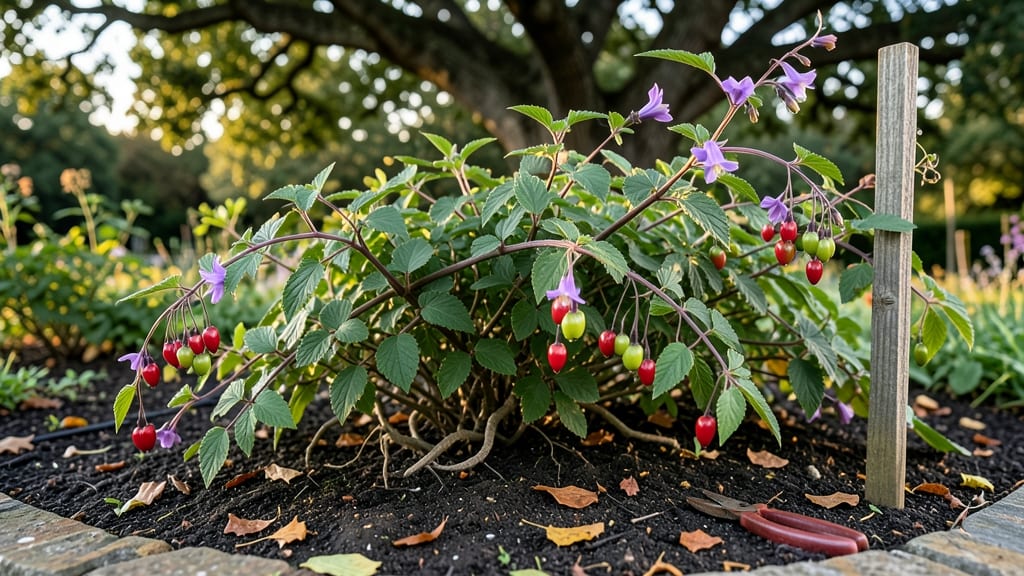
Bittersweet nightshade uses span edible and medicinal applications, from ripe berries used in jams to anti-inflammatory topical treatments and traditional remedies for skin irritations like eczema. Always confirm proper identification before use, as unripe berries contain toxic compounds.
This versatile vine offers more than just ornamental appeal—its ripe berries can be transformed into jams or syrups when cooked thoroughly to reduce natural toxins. 🌿 The plant's leaves and stems contain bioactive compounds that have been used for centuries in folk medicine to soothe joint pain and reduce inflammation.
What's fascinating is how its chemical composition shifts with ripeness: unripe berries pack dangerous levels of solanine, while fully ripe ones become safe for culinary use. I always recommend harvesting only from plants you've positively identified, as lookalikes can be deadly.
For medicinal purposes, many gardeners create homemade salves using infused oils, which can help calm skin irritations when applied topically. The key is proper preparation—whether you're making a berry preserve or a healing poultice, understanding the plant's lifecycle and toxicity profile is absolutely critical.
Always consult a healthcare provider before using any plant-based remedy internally.
💡 In This Article
- Edible and Toxic Properties of Bittersweet Nightshade Berries
- Traditional Medicinal Uses and Modern Applications
Edible and toxic properties of bittersweet nightshade berries
The key to safely using bittersweet nightshade berries lies in their ripening process and solanine content. Unripe berries contain high levels of solanine, a glycoalkaloid toxin that causes nausea, vomiting, and neurological symptoms when consumed.
However, as the berries ripen from green to deep red or black, the solanine levels naturally decrease. Fully ripe berries typically contain only trace amounts, making them safe for culinary use when prepared properly. 🌱
When harvesting, always wait until the berries are fully mature and have turned a deep, glossy red or black color. The ripening process can take several weeks, depending on climate conditions.
For extra safety, I recommend cooking the berries thoroughly—boiling them for at least 10-15 minutes helps break down any remaining toxins. This method works well for making jams or syrups, where the high sugar content and extended cooking time further neutralize potential risks.
The texture of ripe bittersweet nightshade berries is surprisingly pleasant—soft yet slightly firm, with a sweet-tart flavor profile similar to a cross between a cherry and a blackberry. When used in preserves, they add a vibrant color and unique depth to flavors.
However, their taste can be polarizing; some people find them too astringent unless balanced with other fruits like apples or pears in recipes. Always start with small batches to test your tolerance.
One important distinction is that only the berries are typically considered safe for consumption. The leaves, stems, and unripe fruit contain significantly higher levels of solanine and should never be eaten.
Even with ripe berries, moderation is key—consuming more than 1-2 cups per week could lead to digestive upset, as the plant's compounds are still potent in concentrated forms.
For those interested in fermentation, bittersweet nightshade berries can be used to make a unique wine or mead. The fermentation process further reduces solanine levels while enhancing the berries' natural flavors. However, this method requires careful monitoring of alcohol content and proper aging to ensure safety.
Always use a hydrometer to track alcohol development and avoid consuming any fermented product before it reaches at least 12-15% ABV, which helps neutralize remaining toxins.
Visual identification is crucial—bittersweet nightshade has distinctive heart-shaped leaves and clusters of red-orange berries that turn black when fully ripe. If you're foraging, cross-reference with multiple field guides or consult a local botanist to avoid confusing it with deadly lookalikes like deadly nightshade (Atropa belladonna).
When in doubt, err on the side of caution and admire the plant from afar. 🌿