
Light Requirements
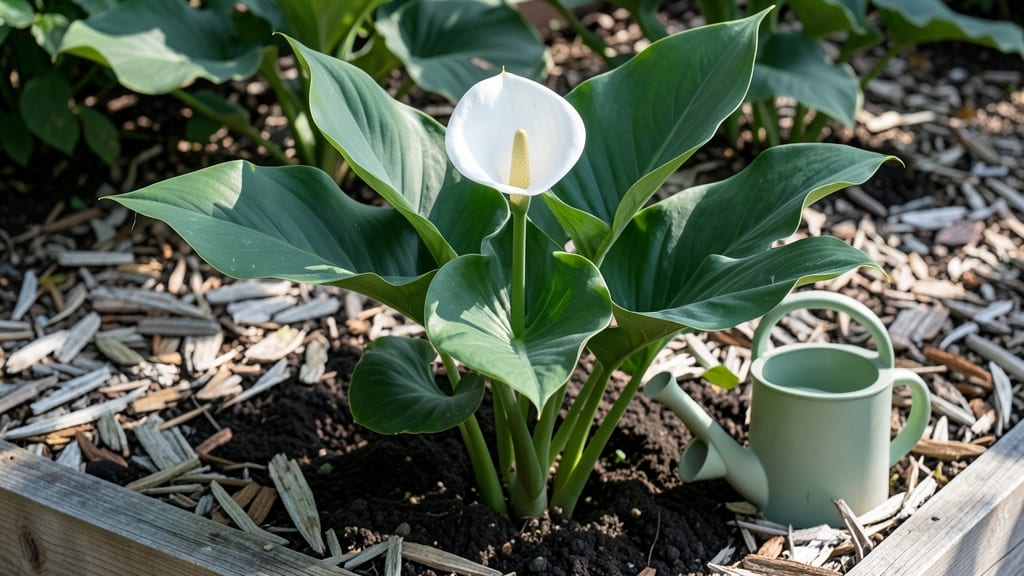
Calla lilies thrive in partial shade but can handle full sun with the right adjustments — the key is balancing their tropical roots with your climate’s intensity.
Picture this: your 🌸 calla lilies wilt by afternoon in the blazing sun, or they barely bloom in deep shade. That’s because these plants are picky about light, and getting it wrong means missing out on those dramatic blooms you planted for.
In cooler zones like 6a, they love morning sun and afternoon shade, while hotter regions need afternoon protection to prevent scorching. The trick? Start with partial shade and gradually introduce more sun to avoid shocking their roots.
Here’s what you’ll learn: how to spot light stress, which varieties handle sun best, and simple tweaks to keep your calla lilies blooming like they’re in their native tropics — no guesswork required.

Calla lily light requirements: full sun vs shade breakdown
Calla lilies (Zantedeschia spp.) are stunning tropical plants that thrive in specific light conditions, but their needs vary dramatically between varieties. While some varieties like Zantedeschia aethiopica tolerate partial shade beautifully, others such as Zantedeschia rehmannii can handle more direct sunlight.
Understanding these differences is key to growing healthy, blooming calla lilies in your garden.
The ideal light range for most calla lilies falls between 4 to 6 hours of morning sun with afternoon shade, especially in hotter climates. However, this can shift based on your region and the specific variety you're growing.
In cooler climates, they may tolerate more direct sunlight, while tropical varieties often prefer filtered light.
| Variety | Sunlight Needs | Shade Tolerance | Signs of Stress |
|---|---|---|---|
| Zantedeschia aethiopica (Easter Lily) | Partial shade (2-4 hours sun) | High | Brown leaf tips, sparse blooms |
| Zantedeschia rehmannii (Wild Calla) | Full sun (with afternoon shade) | Moderate | Yellowing leaves, wilting |
| Zantedeschia elliottiana (Pink Calla) | Partial shade (4-6 hours sun) | High | Stunted growth, pale leaves |
| Zantedeschia albomaculata (Wild Calla) | Full sun (with protection) | Low | Burnt foliage, leaf drop |
If you notice yellowing leaves or browning edges on your calla lilies, they may be receiving too much direct sunlight, especially during peak afternoon hours. These signs indicate sunburn stress, which is common in varieties not accustomed to full sun.
Conversely, if your plant produces fewer blooms or has long, leggy stems, it might be craving more light.
In hot climates (Zones 9-11), calla lilies should be planted where they receive morning sun only, with afternoon shade provided by nearby trees or structures. This mimics their natural habitat in South Africa, where they grow under forest canopies.
In cooler climates (Zones 6-8), they can handle more direct sunlight, up to 6 hours per day, as long as the soil stays consistently moist.
One common misconception is that all calla lilies prefer shade. While Zantedeschia aethiopica (the classic white calla) thrives in shade, other varieties like 'Orange Zinger' or 'Pink Fantasy' actually require more light to produce vibrant blooms. Always check the specific variety’s needs before planting.
To test your calla lily’s light tolerance, observe its growth over a few weeks. If the leaves remain deep green and blooms are frequent, you’ve likely found the perfect balance.
If not, adjust by moving the plant to a sunnier or shadier spot gradually—never make sudden changes, as this can shock the plant.
For container-grown calla lilies, rotate the pot every few weeks to ensure even light exposure. This prevents one side from becoming overly stretched or sun-scorched. A simple trick is to place the pot on a turntable or rotating stand to distribute sunlight evenly.
Remember, soil moisture plays a crucial role in light adaptation. In full sun, calla lilies need more frequent watering to prevent dehydration, while shade-grown plants may require slightly less. Always keep the soil consistently moist but never waterlogged.
With the right light conditions, your calla lilies will reward you with bold, long-lasting blooms and lush foliage. Experiment with different spots in your garden, and don’t be afraid to adjust based on your plant’s response—this is the key to growing thriving calla lilies! 🌸
How to adapt calla lilies to full sun or shade gardens
Calla lilies thrive in their native shady, moist habitats but can adapt to full sun with proper care. The key is gradual acclimation and adjusting soil, water, and mulch to match light conditions.
Whether you're dealing with scorching afternoon sun or deep shade, these adjustments will keep your calla lilies blooming beautifully.
For full-sun gardens, focus on root protection and consistent moisture. In shady spots, prioritize nutrient-rich soil and companion plants that complement their needs. Both scenarios require patience—don't rush transitions, as sudden changes can stress your plants and reduce flowering.
🌱 5 Key Steps to Adapt Calla Lilies
- 1. Test soil moisture before planting—full sun needs drier soil with organic mulch; shade requires moist, rich soil.
- 2. Acclimate plants over 2-3 weeks by moving pots/containers gradually to new light conditions.
- 3. Use shade cloth (30-50%) for afternoon sun protection in hot climates.
- 4. Pair with companion plants like hostas (shade) or salvias (sun) to improve soil and airflow.
- 5. Adjust watering: Morning watering for sun; evening watering for shade to prevent fungal risks.
When transitioning to full sun, start by placing calla lilies in morning sun only for the first week. Gradually extend their exposure to afternoon light over 10-14 days. This slow adjustment prevents leaf scorch and wilting, which are common in sudden heat exposure.
For shade adaptation, move plants from bright indirect light to deeper shade over similar timeframes.
Soil amendments make a huge difference. In full sun, amend soil with compost and perlite to improve drainage and reduce heat stress. For shady areas, mix in peat moss or coconut coir to retain moisture and support root growth.
Both scenarios benefit from a 2-3 inch layer of mulch—use straw or wood chips to regulate soil temperature.
Companion planting can boost calla lily success. In shade gardens, pair them with ferns, astilbes, or impatiens to create a lush, low-light ecosystem. For sunny spots, plant lavender, rosemary, or daylilies nearby—they share similar water needs and deter pests.
Avoid competitive plants like aggressive grasses that can choke out calla lilies.
Monitor your plants for stress signals: yellowing leaves indicate too much sun, while stunted growth suggests insufficient light. Adjust care as needed—prune damaged foliage and fertilize lightly (5-10-10 NPK) during active growth months. With these adjustments, your calla lilies will thrive in nearly any light condition!