
Orchid Care
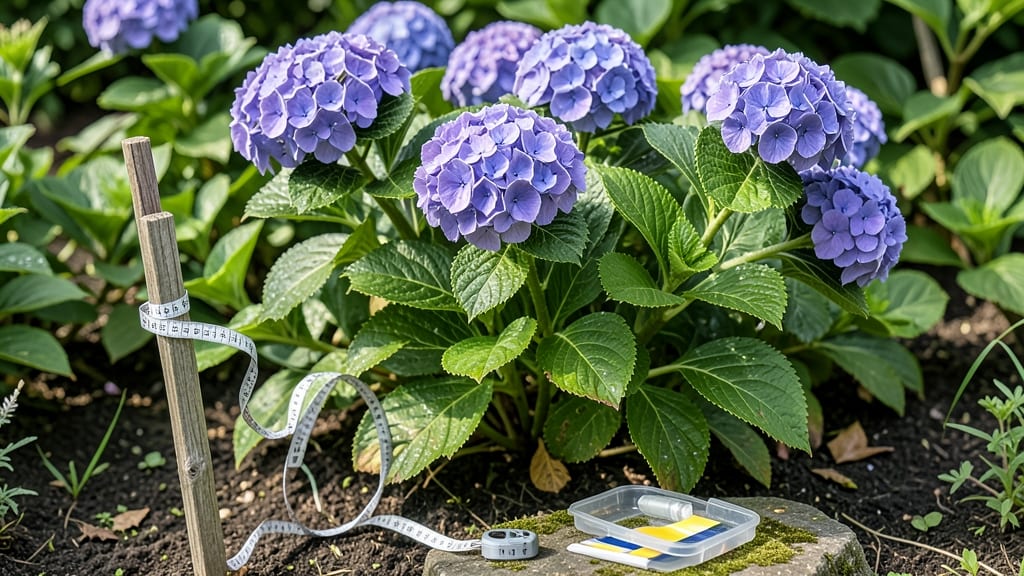
Do hydrangeas prefer sun or shade—partial shade works best, with about 4 to 6 hours of morning sun and afternoon shade, depending on your climate and variety.
Picture this: your hydrangeas are struggling to bloom, with leaves turning crispy at the edges or blooms staying tiny and sparse. That’s often a sign they’re getting too much direct sun or not enough light at all.
The key is finding that sweet spot where they get just enough sunlight to fuel vibrant blooms without scorching their delicate leaves.
Different hydrangea types have slightly different needs—mophead varieties, for example, often handle a bit more shade than panicle hydrangeas, which can tolerate more sun. In hotter climates like the South, afternoon shade is non-negotiable, while cooler Northern regions might allow a bit more morning sun without stress.
In this guide, I’ll break down the exact light balance your hydrangeas need, how to spot when they’re getting too much or too little sun, and practical tips to adjust their environment—whether they’re in containers or planted in the garden—for stunning blooms all season long.
 Best Window Placement
The ideal sunlight exposure for hydrangeas by variety
Hydrangeas are finicky about sunlight—too much scorches their leaves, while too little means fewer blooms. But the ideal light balance depends entirely on the variety. Mophead and lacecap hydrangeas (like Hydrangea macrophylla) love morning sun but need afternoon shade, while panicle and oakleaf types can handle more sun.
Let’s break down the exact sunlight hours each type needs to thrive.
Most hydrangeas thrive in partial shade, but "partial" doesn’t mean vague—it’s 3–6 hours of direct sun per day, ideally in the morning. Southern climates demand extra shade (think morning sun only), while Northern gardens can stretch to 6 hours of filtered light.
Oakleaf hydrangeas are the toughest, tolerating full sun in cooler zones but still needing afternoon relief in heat.
🌸 Hydrangea Sunlight Needs by Variety
| Variety | Sunlight Needs | Best Placement | Regional Adjustments |
|---|---|---|---|
| Mophead (H. macrophylla) | 3–4 hours morning sun | East-facing or dappled shade | Southern climates: morning sun only |
| Lacecap (H. macrophylla) | 4–5 hours filtered light | North or east exposure | Northern climates: 6 hours max |
| Oakleaf (H. quercifolia) | 5–6 hours sun (tolerates full sun) | South or west (with afternoon shade) | Hot zones: afternoon shade essential |
| Panicle (H. paniculata) | 6–8 hours sun (most tolerant) | Full sun or partial shade | Drought-prone areas: morning sun preferred |
For mophead hydrangeas, the golden rule is morning sun—think east-facing or under high-canopy trees. If your garden gets intense afternoon rays, prune nearby branches to filter light or use a lightweight shade cloth (30% blockage) during peak heat.
I’ve seen blue or pink blooms fade to green when these varieties get too much sun—so monitor leaf color closely.
Panicle hydrangeas are the exceptions—they’re full-sun lovers and even bloom better with more light. Varieties like Limelight or Little Lime thrive in 6–8 hours of direct sun, making them perfect for southern borders or urban containers. In Zone 7+, though, mulch heavily to prevent root stress from heat.
Oakleaf hydrangeas strike a balance—they handle more sun than mopheads but still need afternoon relief. Their red fall foliage is a bonus if you give them 5–6 hours of sun.
In arid climates, I’ve had success placing them 10 feet from a south-facing wall to reflect light without overheating.
Regional tweaks matter: In Pacific Northwest gardens, hydrangeas can handle more sun (up to 6 hours) because cooler summers prevent leaf scorch. But in Arizona or Texas, even oakleaf types need afternoon shade—I’ve lost blooms on mopheads left in full sun there.
Use reflective mulch or light-colored gravel to bounce heat away from roots.
Pro tip: Test your spot before planting. Stake a white board in the garden for a week—if it’s hot to the touch by noon, that’s too much sun for most hydrangeas. For containers, rotate pots weekly to ensure even light exposure on all sides.
Adjusting light isn’t just about placement—it’s about seasonal shifts. In summer, hydrangeas need more shade; in winter, they can handle more sun (especially panicle types). I’ve even moved potted mopheads under a pergola in July to prevent leaf burn.
How to tell if your hydrangeas are getting too much sun or shade
Hydrangeas are finicky about light—too much direct sun can scorch their leaves, while insufficient light leads to sparse blooms. The key is finding that sweet spot of partial shade, especially in hot climates.
Look for crisp leaf edges or yellowing foliage as red flags for sun stress, while small blooms or leggy stems signal shade deficiency.
Most hydrangeas thrive with morning sun and afternoon shade, but varieties like panicle hydrangeas can handle more sun. If your plants show signs of distress, don’t panic—simple adjustments like pruning nearby trees or relocating containers can make a huge difference.
Let’s break down the symptoms and solutions so you can give your hydrangeas the perfect light balance.
- 🔥 Crispy leaf edges (sunburn)
- 🟡 Yellowing leaves (chlorosis)
- 🌡️ Wilting in heat (heat stress)
- ✂️ Solution: Prune back sun-exposed branches or add shade cloth.
- 🌸 Small, sparse blooms
- 🌿 Leggy, weak stems
- 🌧️ Pale green leaves
- ✂️ Solution: Move to sunnier spot or thin nearby foliage.
Start by checking your hydrangeas’ leaf color and stem health. If leaves are brown and crispy along the edges, they’re getting too much afternoon sun.
For shade-deficient plants, look for stretched-out stems reaching for light—this is their way of telling you they need more sun. Macrophylla hydrangeas (like Endless Summer) are especially sensitive, so monitor them closely in summer.
Seasonal adjustments are key. In summer months, provide afternoon shade with a lightweight shade cloth (30-50% block). For winter care, hydrangeas can handle more sun since days are shorter, but avoid harsh midday rays.
If your plants are in containers, rotate them weekly to ensure even light exposure on all sides.
For a quick fix, try mulching around the base to retain moisture and cool roots. If relocating isn’t an option, consider reflective surfaces like white gravel or a mirror to bounce extra light onto shade-loving varieties.
Remember, hydrangea blooms thrive with balanced light, so aim for 4-6 hours of morning sun as your golden rule.
Pro tip: Use a light meter or observe your plants at different times of day. If leaves are curling upward toward the sun, they’re begging for shade.
If they’re drooping in heat, they need more protection. With these adjustments, your hydrangeas will reward you with bold, vibrant blooms all season long. 🌸