
Light Requirements
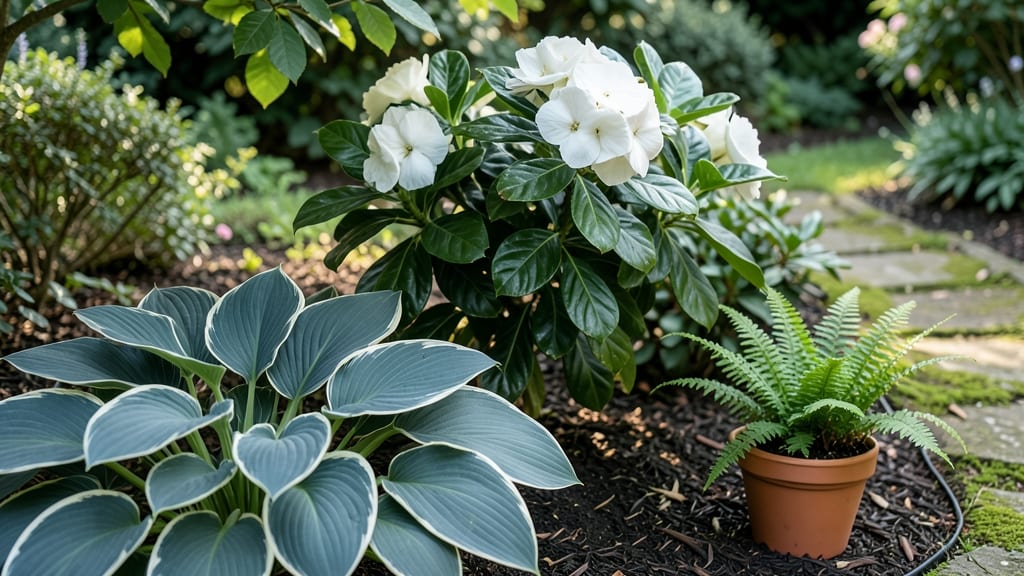
Gardenias can grow in shade, but their fragrant blooms and glossy leaves depend on the right balance of light—too little, and you’ll miss out on their signature beauty.
Picture this: your gardenia 🌸 sits in a shady corner, its leaves staying lush but its blooms sparse. That’s not a lost cause—it’s a light puzzle waiting to be solved. With the right tweaks, you can coax even shade-loving gardenias into producing those intoxicating white flowers.
Most gardenias crave partial shade, meaning they need at least a few hours of bright, indirect light daily. But some varieties handle deeper shade better than others, and a few care adjustments can make all the difference.
Think soil acidity, watering habits, and even strategic pruning to maximize what little light your gardenia gets.
In this guide, I’ll break down how much shade gardenias can handle, which varieties thrive in low light, and the 5 key adjustments that’ll turn your shady gardenia from a leafy shrub into a blooming star. Let’s get started.


How much shade can gardenias tolerate before struggling?
Gardenias thrive in bright, indirect light but can adapt to shade conditions—though their performance will suffer if pushed too far. These fragrant shrubs typically need 4-6 hours of sunlight daily to produce abundant blooms, but partial shade (morning sun + afternoon shade) works for many varieties.
The key is understanding your gardenia’s specific shade tolerance and adjusting care accordingly.
Too little light causes leggy growth, sparse blooms, and yellowing leaves—signs your gardenia is struggling. While they won’t thrive in deep shade (less than 2 hours of light), some varieties handle partial shade better than others.
Let’s break down how much shade gardenias can tolerate and how to spot when they’re not getting enough light.
Comparison Table: Gardenia Varieties by Shade Tolerance
| Variety | Shade Tolerance | Bloom Performance | Care Adjustments |
|---|---|---|---|
| Kleim’s Hardy | High (3-4 hrs light) | Moderate (fewer blooms) | Increase fertilization |
| Radicans | Medium (4-6 hrs light) | Good (compact blooms) | Prune for airflow |
| Fortuniana | Low (6+ hrs light) | Poor (few blooms) | Relocate or supplement light |
| Veitchii | Medium (4-6 hrs light) | Good (large blooms) | Use grow lights in winter |
If your gardenia shows yellow leaves or sparse blooms, it’s likely not getting enough light. Start by observing its current location: deep shade (under trees or north-facing walls) will stunt growth, while partial shade (dappled sunlight) is more forgiving.
For varieties like Kleim’s Hardy, even 3-4 hours of light can work if you boost fertilization and prune regularly.
Diagnosing light deficiency is simple: check for stretched stems, pale foliage, or no flowers. These are classic signs your gardenia is reaching for light. Move it to a brighter spot gradually—sudden exposure to full sun can scorch leaves.
If relocating isn’t possible, consider grow lights for 4-6 hours daily during winter months when natural light dwindles.
Soil quality also impacts shade tolerance. Gardenias in acidic, well-draining soil (pH 5.0-6.0) handle shade better than those in poor soil. Amend clay or alkaline soil with peat moss or sulfur to improve drainage and nutrient uptake.
A mulch layer (2-3 inches) helps retain moisture, which is crucial in low-light conditions where plants grow slower.
For container gardenias, pot size matters. Small pots dry out faster and stress plants in shade, while 15-gallon containers give roots room to spread. Use a lightweight potting mix with perlite to prevent compaction.
If your gardenia is in shade, water 20% more frequently since evaporation slows down without direct sunlight.
Seasonal adjustments are key. In winter, when days are shortest, supplement with LED grow lights to mimic natural light cycles. Place lights 12-18 inches above the plant for 12-14 hours daily. Avoid placing gardenias under dense evergreens, as they compete for nutrients and block light entirely.
Remember: no gardenia variety thrives in deep, dark shade. Even the most shade-tolerant types will produce fewer blooms and weaker growth without adequate light. If your gardenia is in a truly shady spot, consider choosing a more shade-tolerant shrub like camellias or azaleas instead.
With the right
5 Proven tips to grow thriving gardenias in shady gardens
Gardenias can indeed grow in shady spots, but they need some extra love to produce their signature fragrant blooms and glossy foliage. While they prefer morning sunlight, adapting your care routine can help them thrive in partial shade.
The key is understanding how to compensate for lower light levels with targeted strategies.
First, let’s address the biggest challenge: gardenias in deep shade often struggle to set buds or develop vibrant flowers. However, with the right soil amendments, pruning techniques, and seasonal adjustments, you can coax even shade-loving gardenias into blooming beautifully.
Here’s how I’ve successfully grown them in my own low-light garden.
- 🌱 Amend soil with organic matter like compost or peat moss to improve nutrient uptake in low light.
- 💧 Increase watering frequency to 2-3 times per week, as shade slows evaporation and keeps soil moist longer.
- ✂️ Prune strategically in late winter to remove dead growth and encourage new, light-seeking branches.
- ☀️ Supplement with grow lights (12-14 hours/day) during winter months to mimic natural sunlight.
- 🌿 Plant companions like hostas or ferns to create a microclimate that retains moisture and humidity.
One of the most effective ways to boost gardenia growth in shade is by amending the soil with acidic, organic material. Gardenias thrive in acidic soil (pH 5.0-6.0), and adding compost or peat moss improves drainage while providing essential nutrients.
I’ve found that mixing in sulfur granules every few months helps maintain the ideal pH level, which is crucial for bloom production.
Strategic pruning is another game-changer. In early spring, I trim back overgrown branches to open the plant’s canopy, allowing more light to reach the inner growth.
This encourages new, vigorous shoots that are more likely to produce flowers. Avoid heavy pruning in fall, as this can stress the plant during its dormant phase.
If your gardenia is in a particularly dark corner, consider supplementing with grow lights. A simple LED grow light placed 12-18 inches above the plant for 4-6 hours daily can make a dramatic difference in foliage health and bloom quality.
I’ve had great success with full-spectrum bulbs during the shorter winter days.
Finally, companion planting can create a more favorable microclimate. Pairing gardenias with shade-tolerant plants like hostas or heucheras helps retain soil moisture and adds humidity, which gardenias love. Mulching with pine needles or wood chips also mimics their natural forest floor habitat and keeps roots cool.
With these five proven tips, your gardenias can flourish even in shady spots, rewarding you with abundant, fragrant blooms all season long. The key is patience and consistency—just like any other shade-loving plant, gardenias will thank you for the extra care! 🌸