
Light Requirements
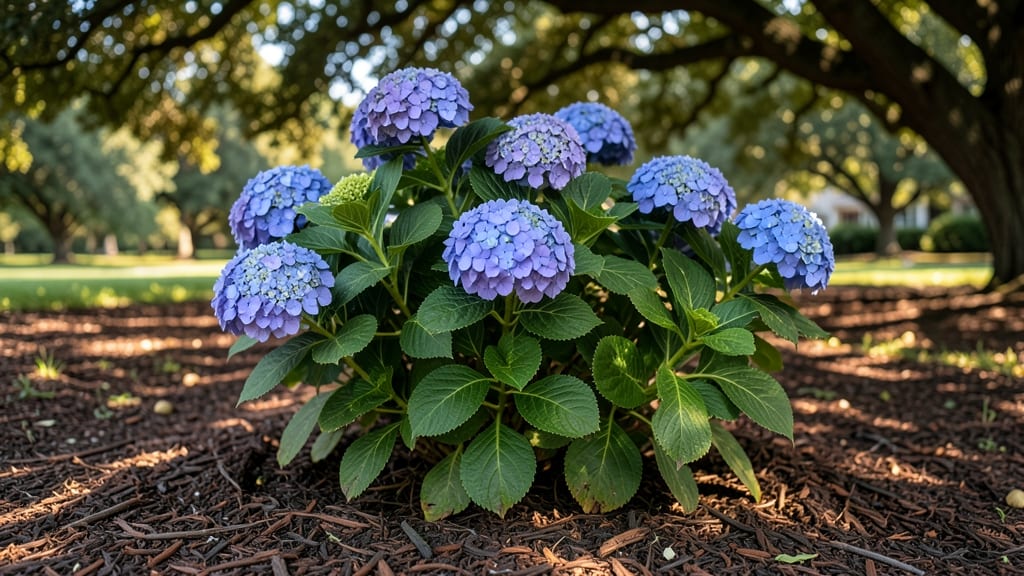
Hydrangeas can grow in shade, especially varieties like Oakleaf or Bigleaf, which thrive in partial to full shade and still produce vibrant blooms, though color intensity may vary with light exposure. Dappled sunlight is ideal for most types.
Many gardeners assume hydrangeas need full sun, but shade-tolerant varieties actually flourish in low-light conditions. 🌿 Oakleaf hydrangeas, for example, develop stunning fall foliage even in deep shade, while Bigleaf types may shift from blue to pink depending on soil pH. The trade-off?
Blooms might be slightly smaller or less vivid without some filtered sunlight—think of it like a painter using less pigment in dimmer light.
What truly sets shade-loving hydrangeas apart is their ability to maintain healthy foliage where other plants wilt. These varieties store energy in their leaves rather than just flowers, making them perfect for north-facing gardens or areas under trees.
I've seen Oakleaf hydrangeas produce three-foot-tall flower clusters in spots that get only morning shade, proving they're far more adaptable than most gardeners realize.
💡 In This Article
- Best Hydrangea Varieties for Shady Gardens
- Tips for Growing Hydrangeas in Low-Light Spaces
Best Hydrangea varieties for shady gardens
Shade-tolerant hydrangeas thrive by adapting their energy storage—Oakleaf varieties, like 'Pincushion' or 'Snow Queen', store energy in their leaves rather than just flowers. This allows them to produce stunning 3-5 foot flower clusters even in deep shade, with foliage that turns fiery red or orange in fall.
Their large, textured leaves capture what little light exists, making them ideal for north-facing gardens or under tall trees where other plants struggle.
The color game gets interesting too. Bigleaf hydrangeas (Hydrangea macrophylla) like 'Nikko Blue' or 'Endless Summer' can shift from blue to pink based on soil pH, but shade reduces their ability to develop deep hues.
In full shade, expect softer pastels rather than the vibrant blues or magentas you'd see in partial sun. 🌿 Mountain hydrangeas (Hydrangea serrata) like 'Bluebird' handle shade better, producing delicate 1-inch flowers that stay compact and charming even with minimal light.
Lacecap varieties deserve special mention—they're like the underdogs of shade gardening. Types such as 'Vanille Fraise' or 'Limelight' develop flat-topped blooms with tiny florets around the edges, creating a lacy effect.
These plants focus energy on producing more flowers rather than larger ones, making them perfect for shady borders where space is limited. Their foliage also stays greener longer in low light, giving you a longer display season.
What most gardeners don't realize is how these varieties compensate for light deprivation. Oakleaf hydrangeas, for instance, grow 2-3 feet per year in shade, while Bigleaf types might grow more slowly but develop thicker stems.
The trade-off? You'll get fewer but larger blooms—think quality over quantity. This growth pattern makes them excellent for creating vertical interest in shady spots where other shrubs would struggle to thrive.
For the most dramatic results, consider planting 'Annabelle' hydrangeas in partial shade. While they prefer some sun, they'll produce 12-inch white globes that stand out against dark foliage.
The secret is choosing varieties that match your specific shade conditions—deep shade for Oakleaf types, partial shade for Bigleaf varieties, and filtered light for Lacecaps.
Here's a quick comparison to help you choose:
- Oakleaf: Best for deep shade, stunning fall foliage, 3-5 ft height
- Bigleaf: Needs partial shade, color changes with pH, 3-6 ft height
- Lacecap: Thrives in partial shade, delicate blooms, 3-5 ft height
- Mountain: Handles deep shade well, compact growth, 2-3 ft height
The key takeaway? Shade-tolerant hydrangeas aren't just surviving—they're thriving by making the most of what light they receive, often producing more foliage interest than sun-loving varieties ever could. 💫