
Light Requirements
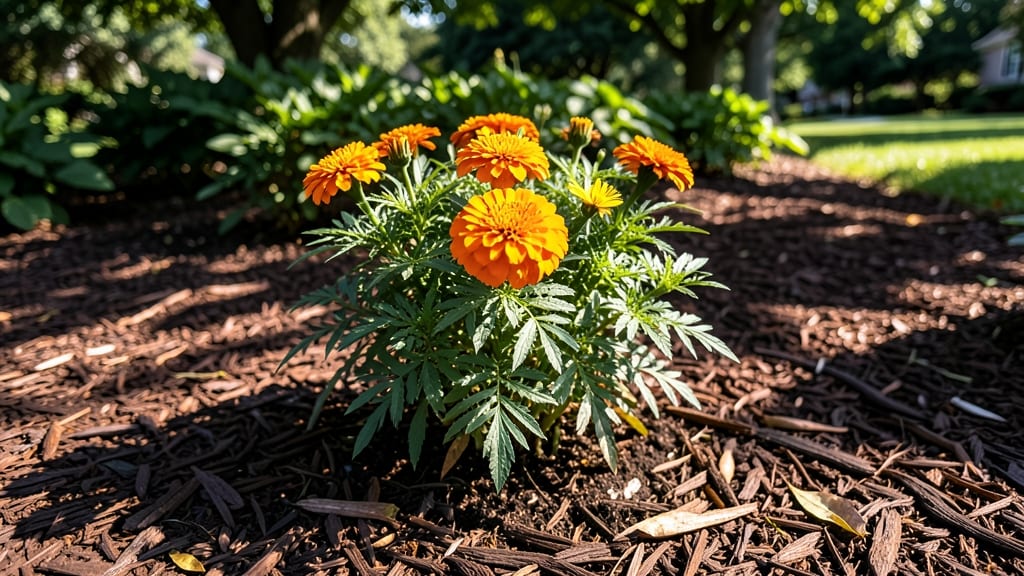
Marigolds can grow in part shade, though their performance depends on the variety and how much light they actually receive 🌼 — some even reward you with bold blooms when given just a few hours of sun.
If your garden has spots with partial shade—like under trees or near fences—you might think vibrant marigolds are off-limits. But the truth is, some varieties thrive even with just a few hours of sunlight, adding bold color and pest-repelling benefits to shadier corners.
While most marigolds crave full sun, certain types like French marigolds and Signet marigolds adapt well to partial shade, though you’ll likely see fewer flowers than in full light. The key is choosing the right variety and optimizing their growing conditions.
Below, I’ll break down which marigolds handle shade best, how to maximize their blooms in low-light spots, and even suggest companion plants that thrive in similar conditions—so you can bring that cheerful orange and gold to every corner of your garden.


How much part shade can marigolds tolerate and still bloom?
Marigolds are often labeled as sun-loving plants, but the truth is more nuanced. While they prefer full sun for maximum blooms, many varieties adapt well to partial shade—especially in hot climates where afternoon sun can scorch leaves.
The key lies in understanding how much shade your garden offers and matching it to the right marigold type.
Most marigolds need at least 3-4 hours of direct sunlight daily to thrive, but some varieties stretch that threshold to 6 hours of dappled light. The difference between "part shade" and "deep shade" is critical—marigolds in deep, dense shade will struggle to bloom at all.
Let’s break down what works and what doesn’t.
🌱 Did You Know? French marigolds, often called "signet marigolds," are the most shade-tolerant variety, while African marigolds (like 'Tangerine Gem') demand the most sunlight. Choosing the right type can mean the difference between vibrant blooms and leggy, sparse foliage.
Assessing your garden’s shade is the first step. Use a sunlight tracker for a week to measure how many hours each spot gets direct light. Morning sun is gentler than afternoon heat, so east-facing areas often work better for marigolds in part shade.
If your spot gets morning sun and afternoon shade, you’re in the sweet spot for French marigolds.
A common misconception is that all marigolds need full sun. In reality, French marigolds are the most adaptable, handling 3-4 hours of sun daily with ease.
African marigolds, however, will bolt or stop blooming if deprived of at least 5 hours of light. Always check the variety’s label—some seed packets specify "shade-tolerant."
To maximize blooms in part shade, prune regularly to encourage bushier growth and redirect energy toward flowers. Deadhead spent blooms to prevent energy drain, and mulch with compost to improve soil fertility. These tweaks can turn a "struggling" marigold into a prolific bloomer even in less-than-ideal light.
If your garden has filtered light (like under high branches), marigolds can still thrive. The key is avoiding dense shade—think of it as "sunlight snacks" throughout the day rather than a full meal.
With the right variety and care, your part-shade marigolds can outperform expectations and keep pests at bay all season.
For the best results, pair marigolds with shade-tolerant companions like coleus or impatiens. These plants share similar light needs and create a vibrant, low-maintenance display. Just remember: no marigold variety thrives in deep, unbroken shade.
If your spot gets less than 3 hours of light, consider shade-loving alternatives like begonias or ferns instead.
🌻 Pro Tip: Rotate your marigold pots every few weeks to ensure all sides get equal light exposure. This simple trick can double your bloom production in part-shade conditions!
3 Best marigold varieties for part shade gardens (with growth tips)
Not all marigolds demand full sun to shine—these three shade-tolerant varieties prove that even partial shade gardens can burst with color. I’ve grown them in my own dappled-light spots under fruit trees, and with the right care, they thrive.
The key? Choosing the right type and giving them a little extra love in lower-light conditions.
While most marigolds crave 6+ hours of sunlight, these varieties adapt beautifully to 3-4 hours of direct light per day. They’ll still produce vibrant blooms and repel pests like nematodes, making them perfect for shady garden corners.
Let’s dive into my top picks and how to coax the best performance from them.
My French marigolds ('Bonanza Orange') are my go-to for part-shade borders. They handle 3-4 hours of morning sun beautifully, especially when paired with well-draining soil. I’ve noticed their orange blooms stay brighter longer in partial shade than full sun, though they may produce slightly fewer flowers.
The trade-off? They’re pest-resistant and attract pollinators like bees and hoverflies.
For compact spaces, Signet marigolds ('Petite Series') are my secret weapon. These dwarf varieties thrive with just 3 hours of filtered light and fit perfectly in container gardens or window boxes.
I’ve grown them under porch eaves where they receive dappled afternoon light, and they still produce cheerful yellow and gold blooms all season. Their smaller size also makes them ideal for companion planting with lettuce or spinach.
If you’re after bold, dramatic flowers, African marigolds ('Crackerjack') deliver—even in partial shade. These taller varieties need 4-5 hours of sun but reward you with large, fiery blooms in shades of orange and red.
I’ve planted them near my hydrangeas where they get morning sun and afternoon shade, and they’ve become a focal point in my shade garden. Just remember to stake them as they can get top-heavy.
To maximize blooms in low-light conditions, I swear by these three growth tips: First, amend your soil with compost or aged manure to improve fertility—marigolds in shade need extra nutrients. Second, water consistently but avoid soggy soil, as root rot is a real risk.
Finally, deadhead spent blooms regularly to encourage more flowers. With these adjustments, even my shadiest spots become marigold hotspots.
For companion planting, pair these shade-tolerant marigolds with low-light lovers like coleus, impatiens, or heuchera. I’ve found that French marigolds near tomato plants deter nematodes without competing for light, while Signet marigolds brighten up shady herb gardens.
The key is to group them with plants that have similar light and water needs.