
Vegetables
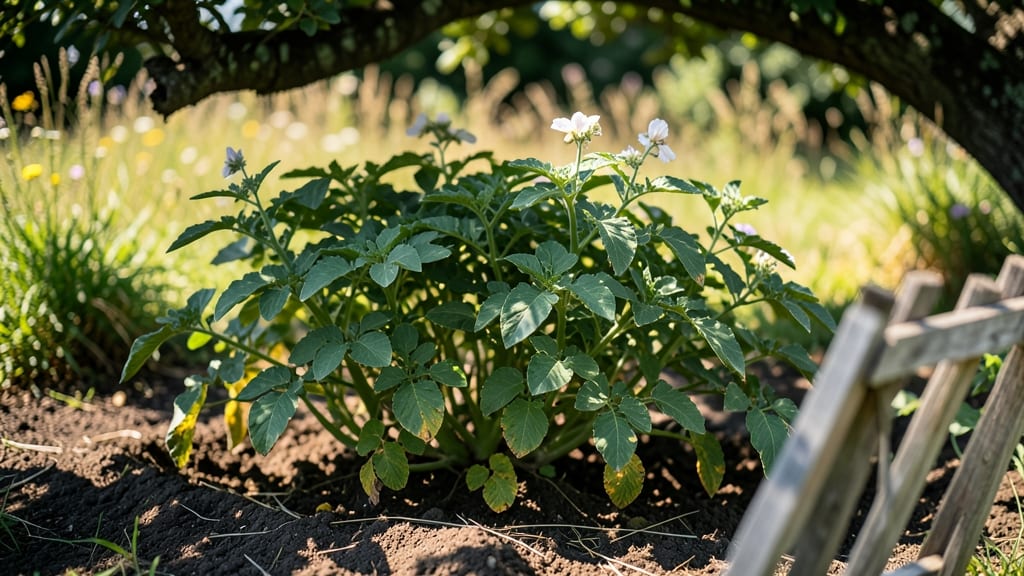
Potatoes can grow in shade but require deeper soil, loose varieties, and partial sunlight to produce a decent yield. Choose early-maturing types like Yukon Gold or fingerlings, and plant in well-draining soil with at least 12 inches of depth for optimal growth.
Shade doesn't mean potatoes can't thrive—it just changes how you approach growing them. 🌱 The key lies in selecting varieties that tolerate lower light and adjusting planting techniques to compensate.
Unlike sun-loving crops, potatoes in shaded areas often produce smaller tubers but can still yield edible harvests if given the right conditions. I've found that adding compost to improve soil fertility helps offset the reduced photosynthesis, while avoiding overcrowding prevents competition for limited light.
For best results, focus on early-maturing varieties that develop tubers quickly before shade becomes too limiting. Fingerlings and red-skinned potatoes often perform better than russets in low-light conditions.
The 12-inch soil depth recommendation isn't just about space—it helps the plant establish a strong root system that can access nutrients even when sunlight is limited.
Pro tip: If your garden has partial shade (like dappled sunlight), position potato plants near taller crops that provide morning sun but allow afternoon light to filter through. This creates a natural balance that can significantly boost your harvest.
💡 In This Article
- How Shade Affects Potato Growth and Yield
- Best Shade-Tolerant Potato Varieties for Low-Light Gardens
How shade affects potato growth and yield
Potatoes are surprisingly adaptable to shade because their energy production relies more on underground tuber development than leafy growth. Unlike leafy greens that need abundant sunlight for photosynthesis, potatoes primarily convert sunlight into energy for root expansion.
In shaded conditions, plants focus resources on growing deeper roots and smaller tubers rather than producing large foliage. This adaptation explains why you can still harvest edible potatoes in partial shade—though yields may drop by 30-50% compared to full sun.
The science behind this involves chlorophyll efficiency. Potato leaves contain a high concentration of chlorophyll that works well even in 30-50% shade, though photosynthesis slows significantly below 40% light exposure. When light drops further, the plant prioritizes starch production in existing tubers rather than creating new ones.
This is why shaded potatoes often develop fewer but larger tubers—what little energy they produce goes directly into storage rather than foliage growth. 🌱 The trade-off? Slower maturation means you'll need to harvest earlier, typically 2-4 weeks sooner than sun-grown varieties.
Shade also affects plant height dramatically. In low-light conditions, potato vines can grow 20-30% taller as they stretch toward available light, making them more susceptible to lodging (falling over).
This is why the 12-inch soil depth recommendation becomes critical—it helps stabilize the plant while allowing tubers to form below ground where light levels are less of a factor.
The deeper the planting, the more surface area tubers have to develop without competing for the same limited sunlight as the leaves.
Another key factor is starch conversion. Potatoes need sunlight to convert sugars into starch through a process called tuberization. In shade, this process slows, resulting in tubers with slightly lower starch content (around 12-15% vs. 16-20% in full sun).
The flavor impact? Potatoes may taste slightly sweeter and less dense, similar to how new potatoes from early harvests have a more delicate texture. This isn't a dealbreaker—just a nuance to expect when growing in lower light.
For maximum success in shaded areas, consider the "light gradient" of your garden. East-facing spots receive morning sun while west-facing areas get afternoon light—both ideal for potatoes. North-facing gardens (in the Northern Hemisphere) often work best with partial shade varieties that tolerate consistent low light.
The key is matching the potato's light needs to your garden's natural patterns rather than forcing a mismatch.
One surprising benefit of shade-grown potatoes is reduced water stress. With less intense sunlight, soil stays moister longer, reducing the need for frequent watering. This makes shade an ideal condition for drought-tolerant varieties like Purple Majesty or Adirondack Blue, which handle moisture fluctuations better than sun-loving russets.
The trade-off? You'll need to monitor soil moisture carefully—too much shade can lead to overwatering if drainage isn't perfect.