
Tools
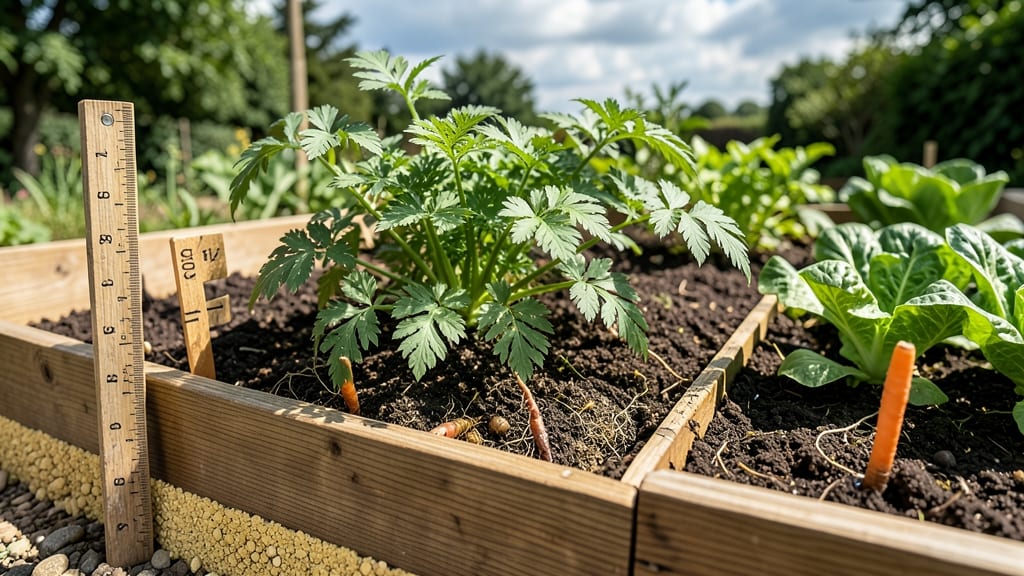
Determining optimal raised garden bed depth means aiming for 6 to 12 inches for most vegetables, which balances root growth with soil aeration and prevents compaction. Root crops like carrots or potatoes thrive in deeper beds (12–18 inches), while shallow beds (4–6 inches) suit herbs and leafy greens. Soil drainage and quality also play key roles in plant health.
Getting the right depth isn't just about space—it's about creating the perfect environment for roots to spread and access nutrients. 🌱 A 6-inch bed works for shallow-rooted plants like lettuce or basil, but deeper beds prevent roots from hitting hardpan or compacted soil, which stunts growth.
I've seen tomatoes with 12-inch roots produce twice as many fruits when given extra depth, while herbs in shallow beds stay compact and easier to harvest. The key is matching plant needs to your soil's natural drainage and fertility.
💡 In This Article
- How Root Growth Determines Raised Bed Depth Needs
- Plant-Specific Raised Bed Depth Guidelines for Maximum Yield
How root growth determines raised bed depth needs
Root systems vary dramatically between plant types, and this directly impacts ideal bed depth. Plants with taproots—like carrots, parsnips, and dandelions—need 12–18 inches of loose soil to develop properly.
Their single, thick root grows straight down, so hitting compacted soil or hardpan at 6 inches can deform the root and reduce yield by up to 40%. In contrast, fibrous-rooted plants like lettuce or onions spread horizontally, thriving in just 4–6 inches of soil.
The science behind this lies in soil aeration and nutrient access.
Roots need oxygen, which moves through soil pores—when beds are too shallow, roots become compacted and struggle to breathe. 🌱 For example, tomato roots can spread 18–24 inches wide but only grow 12–18 inches deep; a 12-inch bed gives them room to access moisture and nutrients without circling back on themselves.
Deeper beds also prevent "root binding," where roots grow in a dense knot at the bottom, starving the plant of water and nutrients.
Moisture retention is another critical factor. Deeper beds hold more water, which is especially valuable in sandy soils that drain too quickly. A 12-inch bed in sandy loam can retain 30–40% more moisture than a 6-inch bed**, reducing the need for frequent watering.
However, clay-heavy soils benefit from shallower beds (6 inches) to prevent waterlogging, as deeper beds can trap excess moisture and suffocate roots.
Plant maturity also influences depth needs. Seedlings require minimal space, but as plants grow, their roots expand exponentially. For instance, a basil plant might start in a 4-inch pot but needs 6–8 inches of soil by harvest time.
Transplanting into a deeper bed too early can lead to "root shock," while waiting too long risks overcrowded roots. The general rule is to match bed depth to the plant's mature root zone, not its initial size.
Soil composition plays a surprising role too. Amending beds with compost or vermiculite improves aeration, allowing roots to thrive in slightly shallower beds. For example, a 6-inch bed with 50% compost can support deep-rooted plants like beets, which typically need 10–12 inches in standard soil.
This layered approach mimics natural forest floors, where organic matter creates a loose, nutrient-rich zone for roots to explore.
One common misconception is that deeper always means better. While deep beds excel for root crops, they can waste space and resources for shallow-rooted plants. Herbs like thyme or oregano, for instance, grow best in 3–4 inches of soil—any deeper risks waterlogging their delicate roots.
The key is observing your plants: if roots are circling the bottom of a pot or bed, it’s time to upgrade the depth.