
Tools
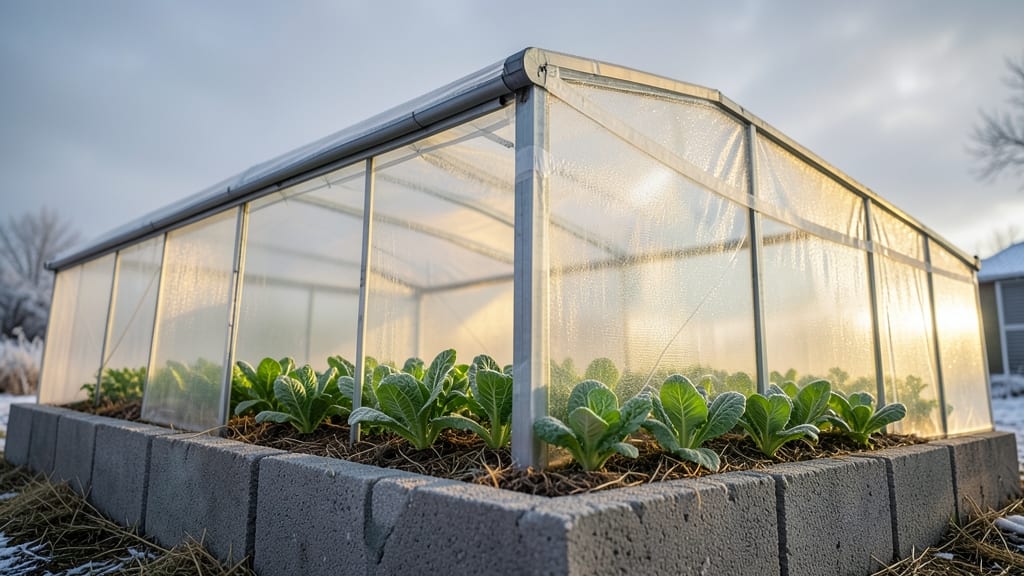
Cinder blocks offer a durable, customizable, and budget-friendly way to create garden beds that last for years. These 10 creative designs transform simple concrete blocks into functional, stylish spaces for herbs, veggies, and flowers—even in small spaces or challenging climates.
Raised Cinder Block Vegetable Planter Box
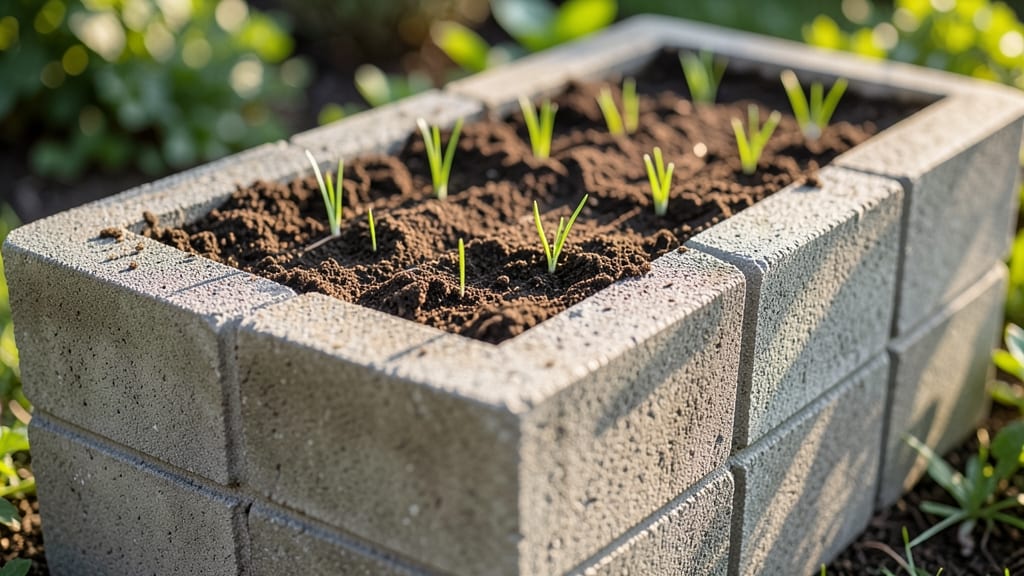
Want to grow carrots and radishes faster than ever? A raised cinder block vegetable planter box warms the soil quicker than ground-level beds, giving your root crops a head start. The elevated design also keeps soil-borne diseases at bay by reducing moisture contact with the ground.
Build your box with 12-inch-tall blocks for optimal soil depth, and fill with a mix of compost and garden soil to retain warmth. Plant fast-maturing varieties like 'Cherry Belle' radishes or 'Nantes' carrots for a quick harvest. The blocks’ porous nature improves drainage while locking in heat during cooler mornings.
This design is perfect for gardeners with limited space or clay-heavy soil, offering a low-maintenance way to boost yields. Plus, the sturdy structure lasts for years, making it a smart investment. 🌱
Spiral Herb Garden with Stacked Blocks
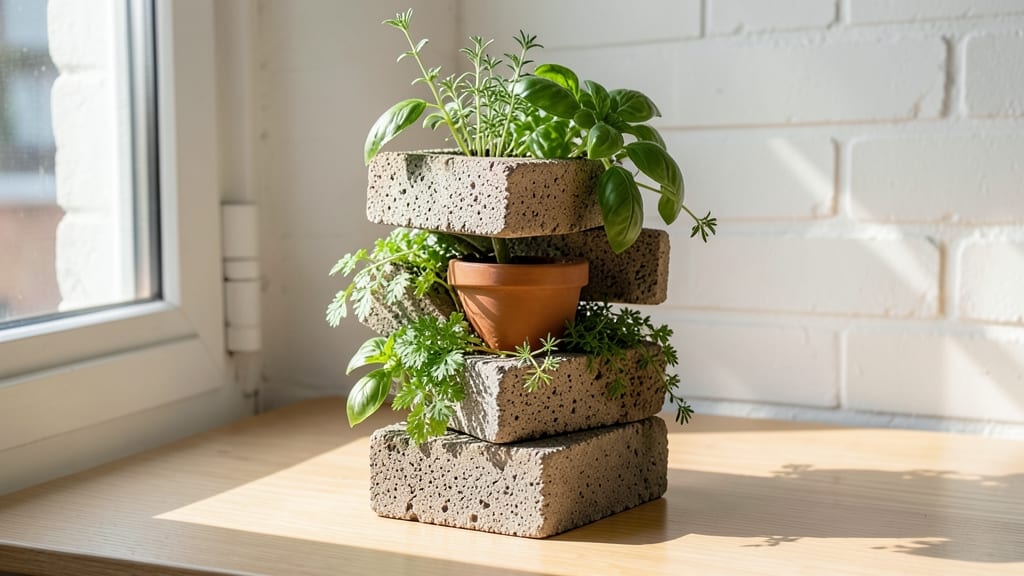
Transform your tiny balcony or kitchen windowsill into a fragrant herb haven with a cinder block spiral garden—no yard required! This vertical design lets basil, thyme, and parsley grow upward in a stunning helix shape, saving space while adding greenery to urban spaces.
Start by stacking blocks in a gentle spiral, leaving gaps between each layer for soil. Use well-draining potting mix and place taller herbs like rosemary in the center, while trailing parsley can spill over the edges. For extra charm, add wooden trellises between blocks to guide climbing plants like nasturtiums.
Perfect for renters or small-space gardeners, this project takes just a weekend and yields fresh herbs year-round with minimal maintenance. Plus, the spiral shape makes it a conversation piece! 🌿
Tiered Cinder Block Flower Display
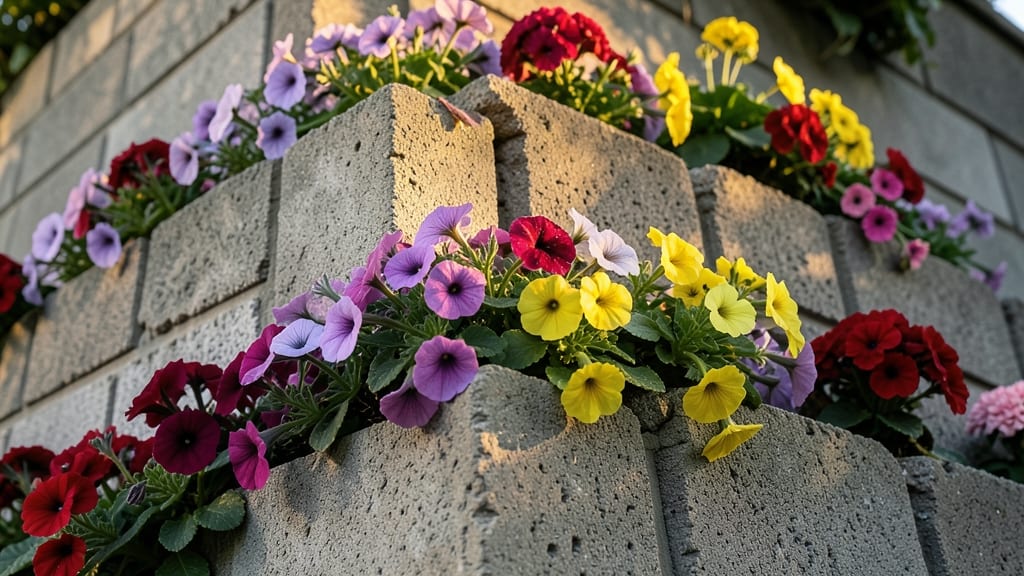
Transform your garden into a vertical masterpiece with a tiered cinder block flower display that brings height and drama to any space. This design stacks blocks into ascending levels, creating a cascading effect perfect for showcasing annuals like petunias and perennials like geraniums while saving precious ground space.
Start by stacking blocks in a staggered formation (3-4 levels) with a sturdy wooden base for stability. Fill each tier with well-draining potting mix and plant taller varieties in the back, trailing plants like lobelia on the edges, and bold bloomers in the front. The elevated structure improves air circulation, reducing disease risk while maximizing flower visibility from all angles.
This design is ideal for small yards, patios, or even renters—just ensure each block is securely mortared or weighted down. The modular nature lets you expand or rearrange tiers as your garden evolves. 🌻
Cinder Block Tomato Cage System
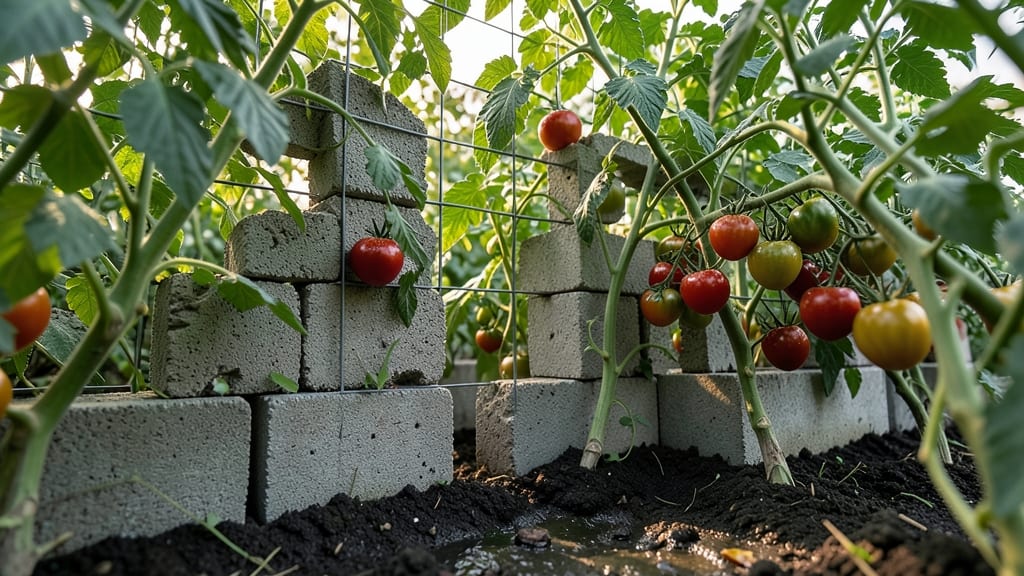
If your indeterminate tomatoes are sprawling uncontrollably, a cinder block cage system is the game-changer you need. Unlike flimsy wire cages, stacked blocks create a permanent, sturdy framework that supports vines while keeping fruit elevated—critical for preventing rot in damp soil.
Build a 4-foot-tall cage by stacking blocks in a square or rectangular shape, leaving gaps for vines to climb. Secure the structure with landscape fabric or wire mesh to prevent block shifting. This design also makes harvesting easier by keeping tomatoes off the ground, where pests and disease lurk. Perfect for gardeners with limited space or heavy tomato varieties like Brandywine or Cherokee Purple.
This system is ideal for small gardens or urban plots where traditional cages take up too much space. Plus, the blocks double as a heat-retaining barrier during cool nights. 🌟
Mixed-Material Edge Border Garden
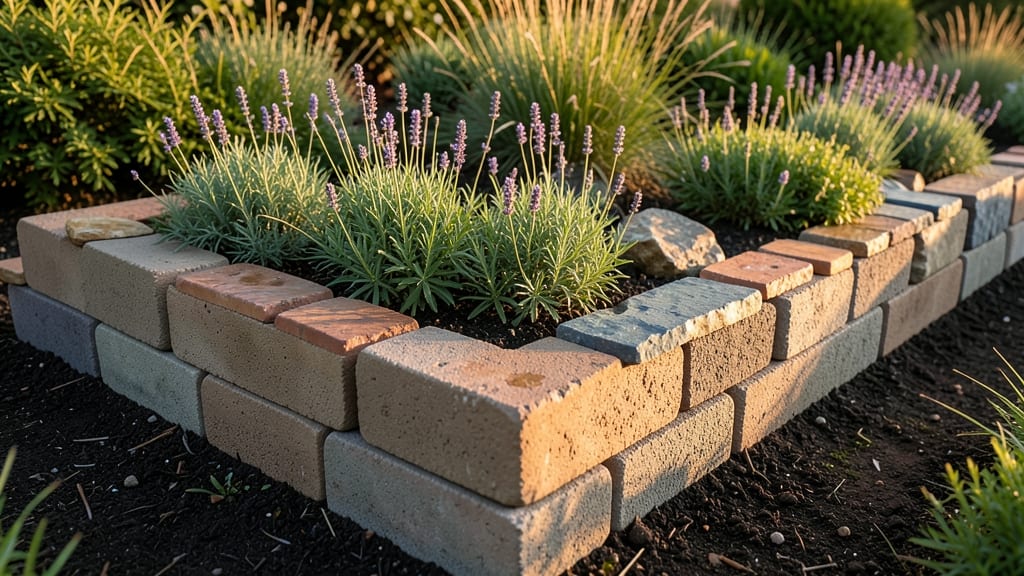
Tired of plain, uninspired garden edges? A mixed-material border using cinder blocks, bricks, and stones adds instant sophistication while keeping perennials neatly contained. This design blends rustic charm with clean lines, making it ideal for defining flower beds, herb spirals, or even vegetable patches.
Start by laying cinder blocks as the base for structure, then alternate with bricks or field stones for texture. Use a gravel-filled trench between materials to prevent weeds and improve drainage. Plant drought-tolerant perennials like lavender, rosemary, or ornamental grasses—their deep roots thrive in this well-drained setup while adding seasonal interest.
This border works beautifully for gardeners who want low-maintenance elegance without the cost of full masonry. Perfect for defining perennial beds, it’s especially flattering in French countryside-style gardens or modern cottage layouts. 🌿
Portable Cinder Block Succulent Wall
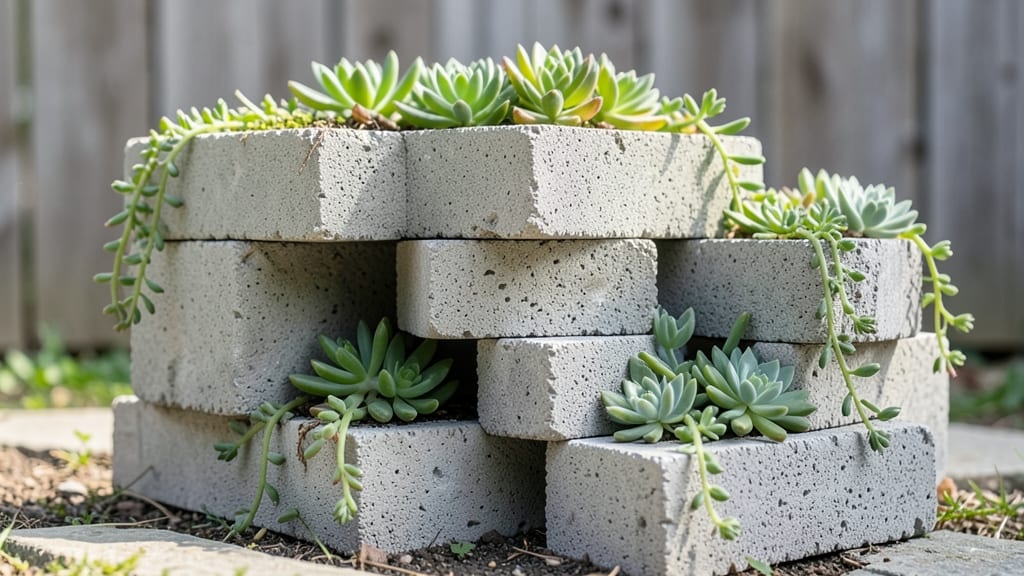
Tired of static garden decor that feels permanent? A portable cinder block succulent wall gives you the flexibility to rearrange your garden layout without heavy lifting or permanent changes. This lightweight design lets you experiment with different arrangements, perfect for renters or gardeners who love to refresh their outdoor space seasonally.
Build your wall using hollow cinder blocks (weighing just 28-35 lbs each) stacked in a vertical or staggered pattern. Fill the cavities with a mix of cactus/succulent soil and perlite for drainage, then plant varieties like echeveria, sedum, or aloe vera in the gaps. The blocks’ rough texture also provides natural grip for trailing plants like string of pearls.
This setup thrives in full sun to partial shade and requires minimal watering—ideal for busy gardeners. Plus, the movable design means you can rotate plants for even growth or swap arrangements whenever inspiration strikes. 💚
Cinder Block Strawberry Tower
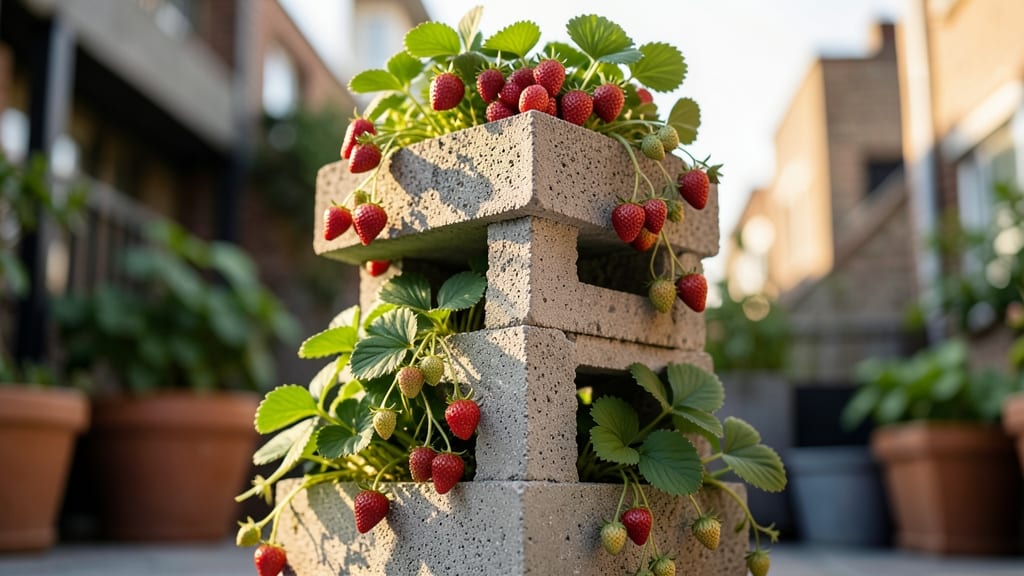
Turn your strawberry patch into a space-saving powerhouse with a cinder block strawberry tower—perfect for small gardens or urban patios. This vertical design lets you grow more berries in less space while keeping fruit off the ground, reducing pests and rot.
Build a three-tiered structure with blocks stacked in a U-shape, leaving gaps between levels for easy access. Plant June-bearing or everbearing varieties in hanging pots or directly in the soil pockets, ensuring each tier gets 6-8 hours of sun. The elevated design also makes harvesting a breeze—no more bending over! Add a small wooden ladder or step stool for extra convenience.
This setup is ideal for small-space gardeners or anyone tired of slugs and soil-borne diseases ruining their harvest. Plus, the aesthetic appeal of ripe berries cascading down the sides adds charm to any garden. 🌻
Cinder Block Compost Bin System
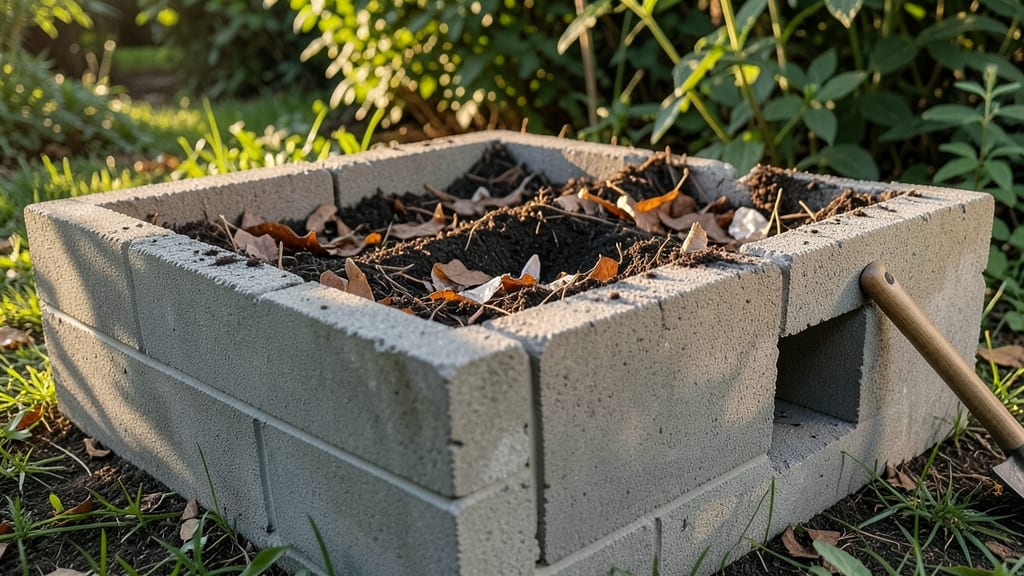
Tired of compost piles attracting pests or decomposing too slowly? A cinder block compost bin system solves both problems with a sturdy, enclosed design that keeps critters out while speeding up the process.
Build your bin using 4-6 blocks arranged in a rectangular or square shape, leaving one side open for easy access. Line the inside with cardboard or burlap to help retain moisture and balance carbon-to-nitrogen ratios. Add a mix of browns (leaves, straw) and greens (grass clippings, veggie scraps), then turn the pile every 2-3 weeks to aerate. The enclosed walls trap heat, accelerating decomposition in as little as 2-3 months instead of the usual 6-12.
This system is perfect for urban gardeners with limited space or anyone who wants to turn kitchen scraps into nutrient-rich compost without the mess. Plus, the blocks' durability means your bin will last for years. 💚
Cinder Block Keyhole Garden Bed
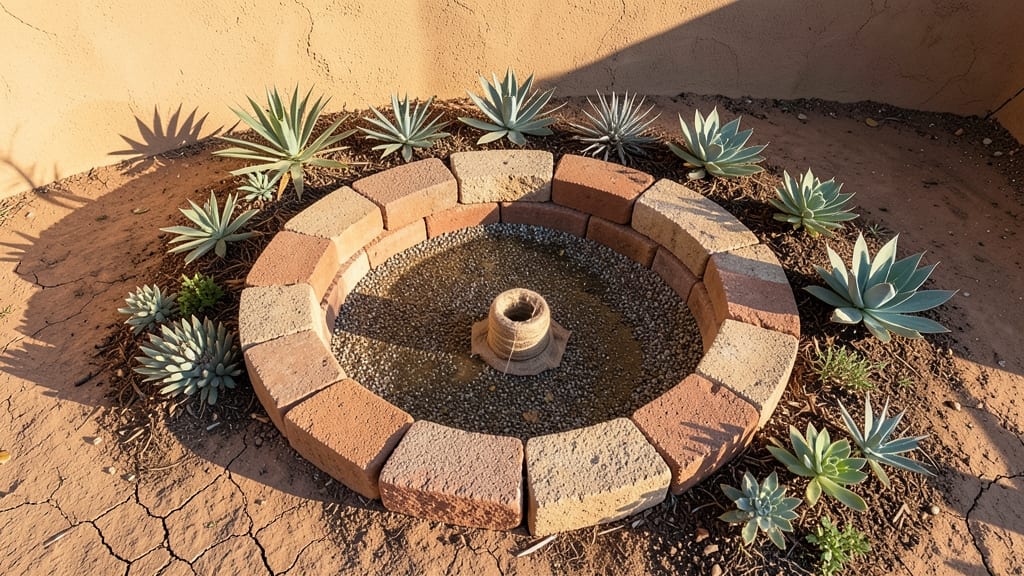
Struggling to keep your garden thriving in dry climates? A cinder block keyhole garden bed solves the puzzle with its built-in self-watering basin—no pumps or complex setups required. This African-inspired design stores moisture in the center while plants grow around the perimeter, making it ideal for rosemary, thyme, and other drought-tolerant herbs.
The secret lies in the circular layout: fill the central basin with water, and capillary action slowly delivers moisture to roots. For best results, use well-draining soil and place the bed in partial sun (3–6 hours daily). Add a wooden bench or trellis to integrate seating while maximizing space. This design works especially well for small urban gardens or low-maintenance landscapes.
Perfect for gardeners who want year-round greenery with minimal watering, this bed reduces evaporation while keeping roots consistently hydrated. 🌱
Cinder Block Winter Greenhouse Frame

Cold weather doesn’t have to mean the end of your garden—transform cinder blocks into a winter greenhouse frame that shields tender greens from frost. This simple, sturdy design uses clear plastic or glass panels to trap warmth while letting sunlight through, creating a microclimate for plants like spinach, lettuce, and kale that thrive in cooler temperatures.
Start by stacking cinder blocks into a low, rectangular frame (about 12-18 inches tall) and secure a clear plastic sheet or glass panel on top with weights or clips. Leave a small vent open for airflow to prevent condensation. Place the frame over existing plants or fill it with fresh soil for early spring starts—even in USDA Zone 5 or colder. The blocks’ thermal mass helps regulate temperatures, protecting roots from drastic swings.
This is the perfect solution for gardeners in short growing seasons or those who want to extend harvests into fall and winter. It’s also beginner-friendly, requiring no special tools beyond basic stacking skills. 🌱