
Shrubs
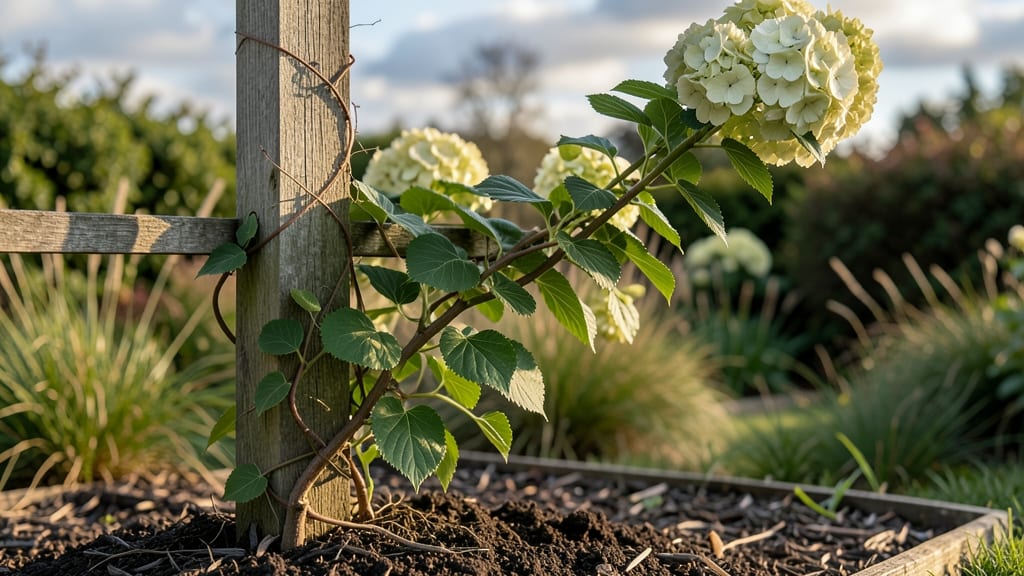
Climbing hydrangeas thrive in sun or shade with the right care—especially when it comes to pruning for those show-stopping blooms 🌸.
Struggling to keep your climbing hydrangea blooming beautifully—whether it’s basking in full sun or thriving in dappled shade? The secret lies in mastering the right pruning techniques tailored to its light conditions.
Too much sun can scorch leaves, while too little shade might leave your plant leggy and sparse. The key is understanding how light exposure changes what—and when—you prune to keep those lush, flower-covered vines year after year.
In this guide, I’ll walk you through the exact pruning steps for sun-loving vs. shade-tolerant climbing hydrangeas, plus how to adjust your approach as the seasons shift. No more guesswork—just vibrant blooms and happy vines.
 Best Window Placement
How sunlight exposure affects climbing hydrangea pruning needs
Climbing hydrangeas (like Hydrangea petiolaris) thrive in partial shade, but their pruning needs shift dramatically depending on whether they're basking in morning sun or nestled in deep shade.
Too much sun can stress the plant, while too little shade may reduce blooms. Understanding these differences ensures your vine stays healthy and blooms abundantly year after year.
Sunlight exposure directly impacts bloom cycles and growth patterns. In full sun, climbing hydrangeas grow faster but may need more aggressive pruning to control size, while shade-tolerant varieties grow slower and require gentler trimming to encourage dense foliage.
The key is adjusting your pruning schedule based on where your plant gets its light.
Let’s break down the pruning differences between sun-loving and shade-tolerant climbing hydrangeas, including when to prune, how much to trim, and how sunlight affects flowering habits. This comparison will help you tailor your approach for maximum blooms and plant health.
For climbing hydrangeas in full sun, pruning in late winter (February-March) gives the plant time to establish new growth before summer heat. Cut back 30-50% of last year’s growth to encourage new wood blooms, which appear on current season’s shoots.
This approach prevents the vine from becoming too leggy and ensures abundant summer flowers.
In contrast, shade-tolerant climbing hydrangeas bloom on old wood, meaning flowers form on stems from the previous year. Prune these varieties in early spring (March-April) to avoid cutting off potential blooms.
Limit trimming to 10-20% of old wood to preserve next year’s flowers while still encouraging new growth for denser foliage.
Sunlight also affects bloom timing. Sun-loving hydrangeas typically bloom in mid-to-late summer, while shade varieties flower in late spring. Adjust your pruning schedule to align with these cycles—prune sun plants after blooming to avoid removing next year’s buds
Step-by-step pruning guide for year-round hydrangea blooms
Mastering the art of pruning your climbing hydrangea ensures lush, vibrant blooms year after year. Whether your plant thrives in full sun or dappled shade, the right timing and technique make all the difference.
I’ve pruned these stunning vines for over a decade, and I’ve learned that seasonal adjustments are key to keeping them healthy and flowering abundantly.
Climbing hydrangeas—like Hydrangea petiolaris—produce flowers on old wood, meaning last year’s growth sets the stage for this year’s blooms.
This changes how and when we prune compared to other hydrangeas. Sun-exposed plants need slightly more aggressive pruning to prevent heat stress, while shade-loving varieties benefit from lighter trims to encourage bushier growth.
Your Seasonal Climbing Hydrangea Pruning Calendar
- Late Winter (Feb-March) – Sun Plants: Prune dead or weak stems to 1/3 of their height. Shade Plants: Trim only dying branches to avoid over-exposure.
- Early Spring (April) – Both: Shape the plant by cutting back to 3-4 buds from the base. Sun Plants: Thin out overcrowded growth for airflow.
- Mid-Summer (July-Aug) – Sun Plants: Lightly trim spent blooms to encourage new flower buds. Shade Plants: Pinch tips of new growth for bushier foliage.
- Fall (Oct-Nov) – Both: Remove only diseased or crossing branches. Avoid heavy cuts—let the plant prepare for dormancy.
- Winter (Dec-Jan) – Both: Inspect for winter damage and prune only dead wood. Protect shade-loving plants from dry winter winds.
For tools, I swear by a sharp bypass pruner for clean cuts and sterilized shears to prevent disease spread. Disinfect tools with rubbing alcohol between cuts, especially if your plant shows signs of powdery mildew—a common issue in humid, shaded spots.
Always cut at a 45-degree angle just above a leaf node to promote faster healing.
Pro tip: Label your pruning cuts with small flags if you’re unsure which branches are old wood (last year’s growth) versus new wood.
This helps you avoid accidentally trimming next year’s blooms! Sun plants may need 10-15% more aggressive trimming than shade plants to prevent heat stress during summer blooming.
After pruning, apply a layer of mulch around the base to retain moisture and regulate soil temperature. Shade-loving hydrangeas especially appreciate this protection, as their roots stay cooler. Water deeply once a week during dry spells, and watch your climbing hydrangea transform into a year-round blooming powerhouse.
Remember, the goal isn’t just to trim—it’s to encourage healthy growth and maximize flower production. With these steps, your climbing hydrangea will reward you with show-stopping blooms from spring to fall, no matter where it’s planted. Happy pruning! 🌸✂️