
Planting
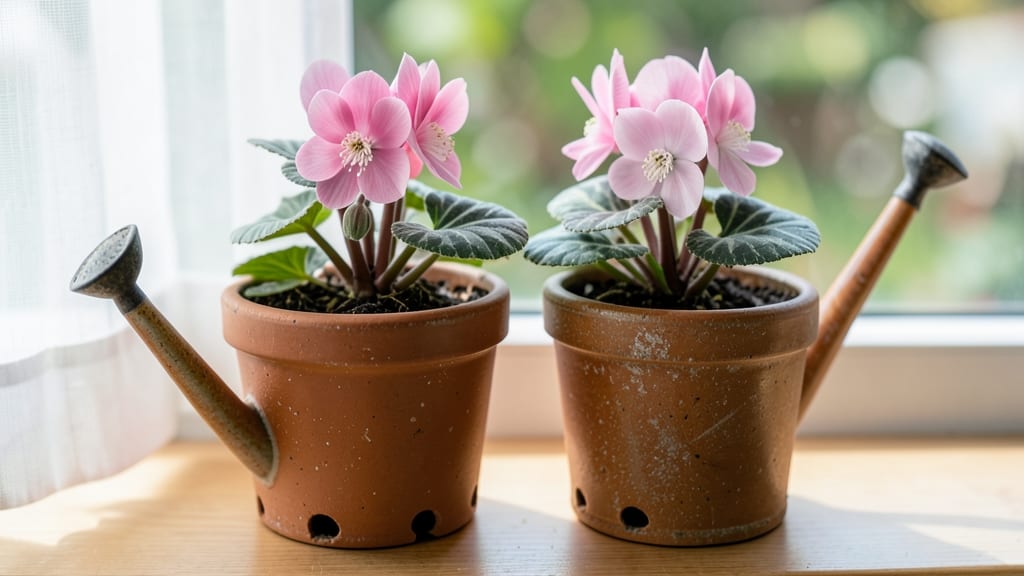
A cyclamen plant thrives in shade or partial sun, but getting the balance right is the secret to those long-lasting blooms you love 🌸.
Struggling to keep your cyclamen blooming year after year? The battle between sun and shade might be the hidden factor sabotaging your plant’s health—and here’s how to crack the code.
Too much direct sunlight can scorch delicate leaves, while too little light means fewer flowers. The key lies in understanding your cyclamen’s light needs, whether you’re growing it indoors near a window or outdoors in a shaded garden spot.
In this guide, I’ll break down the ideal light conditions, how to adjust care based on sun exposure, and the telltale signs your plant is begging for more (or less) light.
 Best Window Placement
Optimal sunlight requirements for cyclamen plants: balancing blooms and stress
Cyclamen plants are prized for their stunning, heart-shaped blooms, but their sunlight needs can be tricky to master. Too much direct sun causes leaf burn, while too little shade stunts flowering. Understanding the light balance is key to keeping your cyclamen thriving year-round.
As someone who’s nursed multiple cyclamen varieties, I’ve learned that hardy outdoor cyclamen and tender indoor varieties each have distinct preferences.
The secret to vibrant blooms lies in bright, indirect light—think dappled shade or morning sun. Cyclamen hate harsh afternoon rays, which is why I always place mine near east-facing windows or under sheer curtains.
Even a few hours of direct sun can scorch their delicate leaves, turning them yellow or brown. Let’s break down how to get this balance right for both types.
For hardy outdoor cyclamen, I recommend planting them in woodland gardens or under deciduous trees where they get filtered sunlight during spring and fall. These varieties can handle slightly more light than their indoor cousins, but even they’ll struggle if exposed to midday sun.
My outdoor cyclamen thrive in USDA Zone 6a with morning sun and afternoon shade.
Indoor cyclamen, like the popular Cyclamen persicum, are far more sensitive. These plants often come pre-potted with sheer curtains for a reason—they need protection from intense light. I’ve found that placing them 6-12 inches from an east-facing window gives them just enough light without risking leaf burn.
If your home has only south-facing windows, use a white sheer curtain to diffuse the light.
One common mistake I see is assuming cyclamen can handle low light conditions indefinitely. While they’re shade-tolerant, prolonged low light leads to leggy growth and fewer blooms. My indoor cyclamen in dim corners produce only 2-3 flowers instead of the usual 10-15.
The solution? A grow light for 4-6 hours daily during winter months when natural light is scarce.
Seasonal adjustments are crucial too. In summer, move your cyclamen to a cooler, shadier spot—even a basement with a window can work. I keep mine on a plant stand under a sheer curtain during peak sun hours.
Conversely, in winter, they’ll appreciate extra light exposure to compensate for shorter days. Just avoid placing them near heating vents, which dry out the air and stress the plants.
If you notice yellowing leaves or brown patches, it’s a clear sign of too much direct sun. Move the plant immediately to a shadier spot and trim the damaged foliage with sterilized scissors.
For pale, stretched leaves, your cyclamen needs more light—try rotating the pot weekly to ensure even exposure. I’ve also had success using reflective surfaces like mirrors to bounce light into darker corners.
Remember that cyclamen are dormant in summer, so their light needs shift dramatically. During this time, they prefer even lower light conditions and minimal watering. I let my plants rest in a cool, dim room until fall, when I gradually reintroduce them to brighter conditions.
This seasonal rhythm helps prevent stress and ensures robust blooming when autumn arrives.
Mastering the sunlight balance for cyclamen takes patience, but the reward is worth it: vibrant blooms that last for months. Start by observing your plant’s reactions—if the leaves are crispy, it’s too much sun; if they’re sparse, it needs more light.
With these adjustments, your cyclamen will thrive whether they’re gracing your windowsill or a shady garden nook. 🌸
How to adapt cyclamen care for sun vs. shade environments: step-by-step adjustments
Cyclamen plants thrive in bright indirect light, but their care routine changes dramatically depending on whether they’re basking in morning sun or nestled in deep shade.
The key is adapting your watering schedule, humidity levels, and fertilizer use to match their light exposure—especially during seasonal shifts when sunlight intensity fluctuates. Let’s break down how to keep your cyclamen happy year-round.
If your cyclamen is in a sunny spot, you’ll need to monitor soil moisture more closely because direct light speeds up evaporation. In contrast, shady conditions slow down growth and may reduce blooming, requiring adjustments to your care routine to compensate.
The challenge? Many homes experience seasonal light shifts, like longer summer days or shorter winter sunlight, which can stress your plant if you don’t adapt.
⚠️ WARNING: Cyclamen Light Shock Cyclamen are sensitive to sudden light changes. Moving a plant from low-light indoors to bright outdoor shade without acclimating it can cause leaf scorch or wilting. Always transition plants gradually—start with 1-2 hours of filtered light per day and increase exposure over 7-10 days.
For indoor plants, rotate pots quarter-turns weekly to ensure even light distribution and prevent lopsided growth. Avoid placing cyclamen near south-facing windows in summer, where afternoon sun can burn delicate leaves.
For cyclamen in sunny conditions, reduce watering frequency to every 5-7 days and water only in the early morning to prevent evaporation. Increase humidity by placing the pot on a pebble tray with water or grouping plants together.
Skip fertilizer in summer—your cyclamen will focus on blooming, not foliage growth. In shady spots, water bi-weekly and fertilize lightly in early spring (March) with a balanced 10-10-10 mix to encourage blooming.
Seasonal transitions are critical. In late spring, when sunlight intensifies, move cyclamen to a shadier spot or use a sheer curtain to filter light. Conversely, in winter, supplement natural light with a grow light for 12-14 hours daily if your plant looks leggy or stops blooming.
Watch for yellowing leaves (overwatering) or brown leaf edges (underwatering or low humidity), both common in extreme light conditions.
Protect your cyclamen during temperature swings—keep them away from drafts, air conditioning vents, or radiators. If moving plants outdoors in summer, harden them off by placing them in dappled shade for a week before full exposure.
Mulch pots with orchid bark to retain moisture and insulate roots. With these adjustments, your cyclamen will bloom abundantly year-round, regardless of whether it’s basking in morning sun or thriving in gentle shade.
Remember: Cyclamen communicate stress through their leaves. Adjust care based on what you see—wilting? Increase humidity. Brown patches? Reduce light. By fine-tuning your approach, you’ll unlock longer blooming seasons and healthier plants. Happy growing! 🌸