
Pests
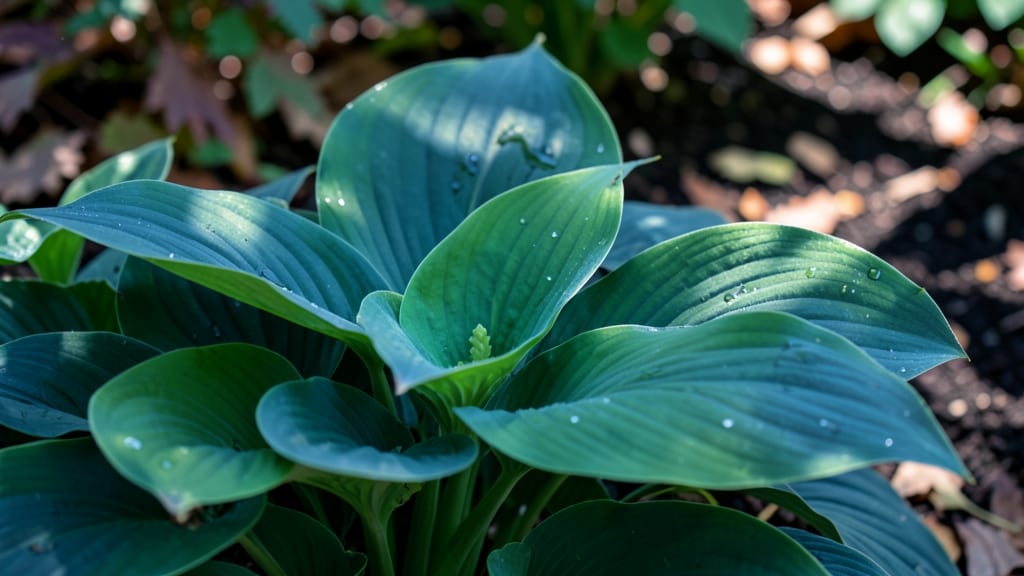
A deer-proof shade garden starts with the right evergreen barrier—one that looks stunning while keeping browsers away. 🌿 I learned this the hard way after losing my favorite hostas to hungry deer, but these shade-tolerant plants create a natural fortress that works better than fencing.
The secret lies in layering: tall evergreens like boxwood or holly form the first line of defense, while lower shrubs such as inkberry or pieris add texture and deter deer with their strong scent.
These plants thrive in dappled shade and stay lush year-round, making them the perfect solution for problem areas. You’ll end up with a garden that’s both beautiful and functional—no more chewed leaves or trampled paths.
The evergreens provide year-long interest, while the layered design creates a cozy, wildlife-resistant retreat that feels like a secret garden. Works for any backyard, whether you have a small patio or a sprawling woodland edge. Here’s how to design it right from the start!
📚 In This Guide
- What you need
- Instructions
- Tips and common mistakes
- Wrapping up and next steps
What you need
- ● Evergreen shrubs or trees: 5–10 plants (e.g., Boxwood, Holly, Juniper, or Yew) – choose dense, fragrant varieties deer dislike.
- ● Shade-tolerant perennials: 10–15 plants (e.g., Heuchera, Astilbe, or Ferns) – pick deer-resistant varieties.
- ● Mulch: 2–3 bags (3–4 cubic feet each) – use pine straw, cedar chips, or gravel to deter deer and retain moisture.
- ○ Deer repellent (optional but recommended):strong> – 1–2 gallons of a natural spray (e.g., garlic-based or predator urine) for extra protection.
- ● Garden stakes or trellis: 10–15 stakes (4–6 ft tall) – for supporting climbing plants like Clematis or Honeysuckle.
- ● Soil amendments: 1–2 bags of compost or organic matter to improve drainage and fertility.
- ● Pruning shears or hedge clippers
- ● Garden trowel or spade
- ● Wheelbarrow or garden cart
- ● Measuring tape (25 ft)
- ● Gloves (heavy-duty for prickly plants)
- ● Watering can or hose with nozzle
- ● Fencing (partial): 1–2 ft tall decorative metal or plastic edging to reinforce boundaries.
- ● Motion-activated sprinkler: 1 unit – deters deer with a gentle spray.
- ● Fragrant herbs: 5–10 plants (e.g., Rosemary, Lavender, or Sage) – deer hate strong scents!
Step-by-Step instructions for creating a deer-proof shade garden
Here's how to design a beautiful, evergreen barrier that keeps deer from browsing your plants naturally.
🌿 Step 1: Select Deer-Resistant Evergreen Plants
Choose plants deer avoid due to strong scent, texture, or toxicity. Boxwood, holly, and pieris are top picks because deer find their foliage unpalatable. I also recommend adding hellebores and ferns—their coarse texture and mild toxicity make them deer-proof. Arrange plants in layers: taller varieties like boxwood at the back, mid-height hellebores in the middle, and low-growing ferns at the front.
Space plants 18-24 inches apart to allow them to fill in quickly and create a dense barrier. Deer are less likely to jump through a thick hedge than a sparse one. Mix textures too—needle-like foliage from boxwood contrasts nicely with hellebore's leathery leaves, making the garden more visually interesting while keeping deer out.
🪴 Step 2: Plant in a Strategic Layout
Design your barrier in a U-shape or horseshoe around the garden area you want to protect. This creates a natural enclosure that deer won't attempt to navigate. Dig holes twice as wide as the root ball and as deep to ensure stability. Amend the soil with compost to encourage strong root growth—the deeper and more established the roots, the harder it is for deer to knock plants over while browsing.
Plant in late fall or early spring when deer are less active. Water deeply after planting to settle the soil and eliminate air pockets. Mulch with 2-3 inches of shredded bark to retain moisture and suppress weeds. Avoid pine needles—they acidify the soil over time and can harm some evergreens.
☀️ Step 3: Enhance with Natural Deterrents
Add deer-resistant ground covers like creeping thyme or ajuga between your evergreen plants. Their strong scent repels deer while adding texture to the garden. I also sprinkle crushed eggshells or cayenne pepper lightly around the base of plants—deer dislike the sharp texture and spicy scent. Reapply after rain to maintain effectiveness.
Install motion-activated sprinklers at the perimeter of your barrier. A sudden spray of water startles deer without harming them. Position sprinklers 12-18 inches above ground level so they catch deer as they approach. Test them weekly to ensure they're working—nothing's worse than a dead battery when you need it most.
✂️ Step 4: Maintain a Dense, Healthy Barrier
Prune plants in early spring before new growth begins. Remove any dead or damaged branches first, then shape the plants to maintain their natural form. Deer are more likely to browse stressed or overgrown plants, so keep everything looking healthy. I shear boxwood lightly to encourage bushy growth, while I leave hellebores and ferns alone—their natural shape deters deer better than a manicured look.
Fertilize in early spring with a slow-release, balanced fertilizer. Over-fertilizing can make plants too tender, which deer find more appealing. Water deeply once a week during dry spells to keep the soil consistently moist but not soggy. A well-hydrated barrier is less tempting to deer than a thirsty one.
Tips & tricks for perfect deer-proof shade garden
Here's what nobody tells you about creating a barrier that actually works—and stays beautiful while doing it.
Plant Layering Strategy: In Step 1, when arranging your boxwood, hellebores, and ferns, think vertically first. The tallest plants (boxwood) should form the back wall of your U-shape, while the mid-height hellebores create a second defensive layer. This creates a natural "no-go zone" for deer—they'll hesitate before jumping through multiple layers of foliage. I've seen deer completely ignore gardens with this layered approach, while they'll still browse single-row hedges.
Soil Preparation Secret: Before planting in Step 2, mix a handful of bones meal fertilizer (about 1/4 cup per planting hole) into the compost-amended soil. The phosphorus boosts root development, making your plants stronger and more resilient to deer browsing. This is especially important for hellebores, which can be slow to establish. The deeper roots mean deer can't easily uproot them while searching for snacks.
Deterrent Reapplication: The crushed eggshells and cayenne pepper from Step 3 won't last forever—expect them to wash away after heavy rain or get buried by mulch. Set a reminder to reapply every 4-6 weeks during growing season. For maximum effectiveness, sprinkle after evening watering so the granules stick to foliage rather than pooling on the ground. I keep a small container of each near my garden tools for quick touch-ups.
Motion Sprinkler Placement: When installing those 12-18 inch sprinklers in Step 3, position them slightly outside the barrier's edge rather than right at the perimeter. This creates a "warning zone" where deer get sprayed before they even reach your plants. I've had deer completely avoid areas with these sprinklers after just one surprise soaking—they learn fast! Test them monthly by triggering them manually to ensure they're still working properly.
Pro Tips for Deer Proof Shade Garden
- Here's what nobody tells you about creating a barrier that actually works—and stays beautiful while doing it.
- Plant Layering Strategy: In Step 1, when arranging your boxwood, hellebores, and ferns, think vertically first.
- Soil Preparation Secret: Before planting in Step 2, mix a handful of bones meal fertilizer (about 1/4 cup per planting hole) into the compost-amended soil.
Frequently asked questions
Got questions about creating a deer-proof shade garden? Here are some common ones—and their answers—to help you plan with confidence!
What are the most effective deer-resistant plants for shade?
Opt for evergreens like boxwood, inkberry holly, or pieris—they’re tough, dense, and deer usually avoid them. Herbaceous perennials such as heuchera (coral bells), ferns, and astilbe also work well. Lamium (dead nettle) and ajuga (bugleweed) are great ground covers that deer typically ignore. Pro tip: Layer plants with varying heights to create a natural, impenetrable barrier!
How long does it take for a deer-proof hedge to become fully effective?
Most evergreen hedges (like arborvitae or privet) take 2–3 years to reach full height and density. For faster results, pair young plants with temporary fencing (8+ ft tall) or repellent sprays until the barrier matures. Fast-growing options: Bamboo (clumping types) or Russian olive can fill in quicker but may need pruning.
What if deer still nibble my shade plants?
If deer persist, combine strategies:
- Motion-activated sprinklers (startle them without harm).
- Physical barriers like chicken wire wrapped around young plants or plastic tree guards.
- Strong scents—soak cotton balls in peppermint oil and hang them in the garden.
Troubleshooting tip: Rotate repellents every few weeks—deer adapt to smells!
Is a deer-proof shade garden more expensive than fencing?
Not necessarily! Native evergreens (like eastern red cedar) are cost-effective long-term. Fencing can run $15–$30/ft, while plants average $5–$20 each with low maintenance. DIY barriers (e.g., branches layered with wire) cut costs further. Budget hack: Start with 2–3 rows of plants—deer are less likely to jump through dense layers!
Will this work in heavy shade (little to no sunlight)?
Focus on shade-tolerant evergreens like rhododendrons, caladiums, or hostas (though hostas may need protection). Key tip: Ensure 6+ hours of dappled light (e.g., under tall trees) for best growth. For deep shade, Japanese painted fern or foamflower thrive with minimal sunlight.
Wrapping up and next steps
Creating a deer-proof shade garden is all about blending beauty with practicality—using evergreen barriers, strategic plant choices, and natural deterrents to keep browsers at bay. 🌿 With the right materials, a little planning, and some patience, you’ll enjoy a lush, thriving garden that stays intact while adding year-round charm to your outdoor space.
Ready to take the next step? Start small—even a single evergreen hedge or a few deer-resistant plants can make a difference. Your garden’s future is greener (and safer) than you think!