
Orchid Care
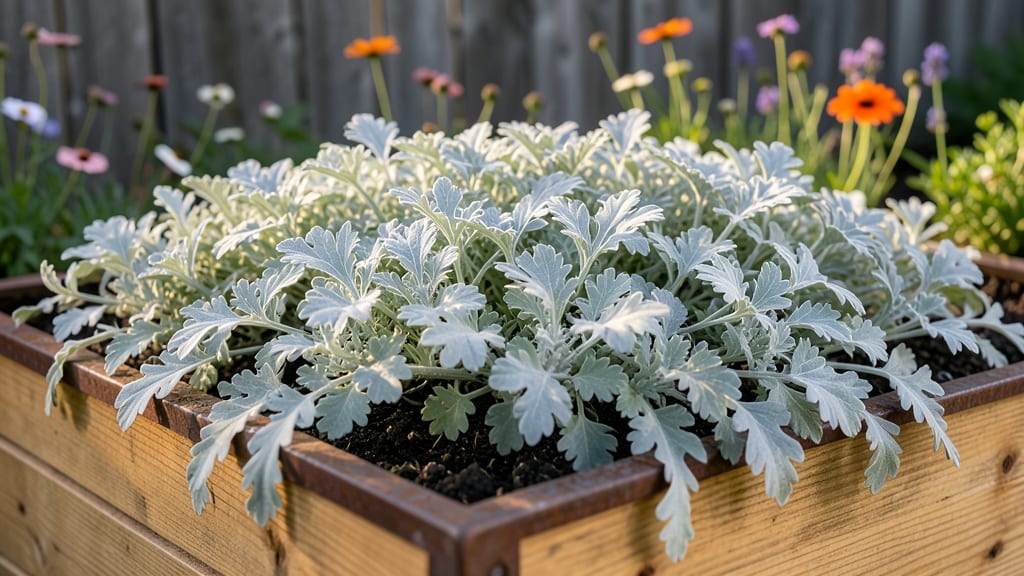
Growing Silver Falls Dichondra in sun or shade is easier than you think—this silvery, trailing beauty adapts to almost any spot while giving you that lush, spill-over look year-round.
Want a cascading ground cover that thrives in both sun and shade? Silver Falls Dichondra is the ultimate trailing plant for year-round texture—but only if you master its care secrets.
Too much sun and those silvery leaves can scorch; too little light and they stretch out leggy and sparse. The good news? With the right balance of soil, water, and a little pruning know-how, you can keep this plant thriving in any corner of your garden or even indoors.
Below, I break down the exact light conditions it loves, how to fix common issues like browning or legginess, and the best companions to pair with it for a show-stopping display.
 Best Window Placement
Dichondra Silver Falls care guide: sun vs shade requirements for optimal growth
Dichondra Silver Falls is one of those magical plants that seems to thrive anywhere—but the truth is, it has specific light preferences that unlock its signature silvery cascading growth.
While it’s famously shade-tolerant, too much harsh sun or deep shade can turn your lush trails into sparse, leggy stems. The key? Understanding how to adjust care based on your microclimate and seasonal light shifts.
In my experience, this plant rewards patience. It’s not just about throwing it in a shady corner and forgetting it—soil moisture, airflow, and even container size play huge roles in how it performs under different light conditions.
Let’s break down exactly how to give your Silver Falls the perfect balance of sun or shade for that dramatic, spill-over effect you’re dreaming of.
🌱 Pro Tip: Always start by observing your plant’s foliage color. Healthy Silver Falls should be a vibrant silver-green. Yellowing means too much sun; dull, sparse growth means it’s craving more light.
Most gardeners assume shade = easy care, but deep shade is actually the trickiest condition for Silver Falls. Without enough light, the plant stretches toward any available sun, creating those unflattering, sparse stems that ruin the trailing effect.
In my Zone 7a garden, I’ve seen it thrive under 30% filtered light from a nearby oak, but anything less than that requires supplemental grow lights in winter.
On the flip side, full sun isn’t a dealbreaker—it’s just about timing. Plants in containers handle sun better because you can move them, but in-ground Silver Falls will need afternoon shade during peak summer months (June-August) to prevent foliage scorch.
I once let mine bake in direct afternoon sun for two weeks, and the tips turned a nasty brown—a lesson I won’t repeat!
Let’s talk soil preferences, because this is where many gardeners go wrong. Silver Falls despises heavy, compacted soil—it needs to breathe. Amend your garden beds with 30% perlite or coarse sand to improve drainage, and always use a well-draining potting mix if growing in containers.
In my hanging baskets, I mix in orchid bark for extra airflow around the roots.
One seasonal secret I’ve learned is adjusting watering based on light exposure. In full sun, the soil dries out faster, so I water every 5-7 days in summer. But in deep shade, the roots stay damp longer, and overwatering can lead to root rot.
Always check the top inch of soil—if it’s dry, water; if it’s still moist, wait. A simple moisture meter saves guesswork.
For container growers, pot size matters. Silver Falls has shallow roots, so a wide, shallow container (like a 12-inch hanging basket) works better than a deep pot. If you’re using a larger container, fill the extra space with gravel or perlite to prevent soggy roots.
Pro tip: Add a drip irrigation line to hanging baskets—it keeps the trailing stems evenly moist without the risk of overhead water splashing and causing foliage rot.
Finally, let’s address the biggest mistakes I see: ignoring airflow and skipping seasonal light adjustments. Silver Falls needs circulation to prevent fungal issues, so avoid crowding it with other plants. And if you’re growing it indoors near a south-facing window, watch for intense afternoon
5 Pro tips for pruning and training Dichondra Silver Falls to maximize trailing effect
Transforming Dichondra Silver Falls from a floppy vine into a lush, cascading masterpiece starts with strategic pruning and training. This silvery beauty thrives whether in bright sun or dappled shade, but its trailing potential depends entirely on how you guide its growth.
The key lies in understanding its natural growth habits and using simple techniques to encourage dense, uniform foliage.
Unlike aggressive spreaders, Silver Falls Dichondra grows in delicate, trailing stems that need gentle encouragement to fill out. I’ve found that combining regular pruning with proper support systems creates that dramatic spill-over effect gardeners love.
Whether you’re using it in hanging baskets, vertical gardens, or as a ground cover, these five techniques will give you professional results.
- 🌿 Pinch Early: Trim new growth tips when stems reach 4-6 inches to encourage branching and bushiness. Do this in spring and early summer for the densest foliage.
- 🪴 Use Trellises: Install open lattice or wire trellises to train vines upward before letting them cascade. This creates a fuller base and prevents leggy growth in low-light conditions.
- ✂️ Deadhead Regularly: Remove yellowed or sparse stems throughout the growing season to redirect energy to healthier growth. Focus on bottom stems first to maintain a thick mat.
- 💧 Adjust Watering: Overwatering causes sparse growth, while underwatering leads to crispy edges. Keep soil evenly moist (not soggy) to maintain plump, silvery foliage.
- 🌳 Rotate Baskets: If growing in hanging containers, rotate them weekly to ensure even sunlight exposure on all sides. This prevents one-sided growth and keeps trails uniform.
Seasonal adjustments are crucial for maintaining that year-round trailing effect. In summer’s intense heat, I increase shade protection to prevent leaf scorch, while in winter’s dormancy, I reduce watering to avoid root rot.
The goal is to keep your Silver Falls Dichondra actively growing but never stressed—this ensures it bounces back with vigor each season.
For hanging baskets, I recommend using a well-draining potting mix with added perlite to prevent compaction. This lightweight medium helps the trailing stems spill gracefully without weighing down the container.
Pair it with a slow-release fertilizer in spring to kickstart growth, and you’ll see that silvery cascade take shape in just a few weeks.
Don’t overlook the power of companion planting to enhance your Dichondra’s trailing effect. Pair it with low-growing ferns or creeping thyme to create a multi-layered texture. In shadier spots, I’ve had great success combining it with heuchera or ajuga for a lush, forest-floor look.
The contrast in foliage colors makes your Silver Falls stand out even more.
With these techniques, your Dichondra Silver Falls will transform from a simple trailing vine into a showstopping garden feature, whether it’s spilling over a balcony railing or framing a shady garden bed.
The secret? Consistent care and a little patience—your efforts will be rewarded with silvery cascades that last all season long. 🌿