
Light Requirements
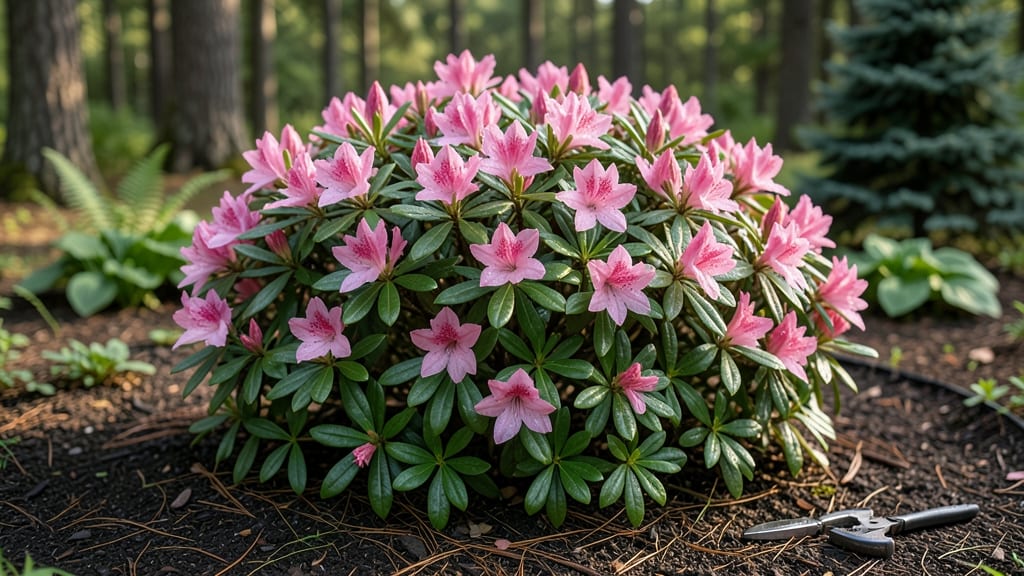
Do azaleas like shade—or do they need just enough light to burst into springtime bloom?
If you’ve ever wondered why your azaleas bloom sporadically or struggle to thrive, their light requirements might be the culprit. Too much shade can stunt growth, while harsh afternoon sun burns delicate leaves—so finding that perfect partial shade spot is the key to vibrant blooms.
Most gardeners assume azaleas love deep shade, but they actually crave dappled light—think morning sun with afternoon shade. In hotter climates like zone 6a, this means avoiding south-facing spots entirely.
The trick? Mimic their natural woodland habitat by placing them near trees or using shade cloth in peak summer.
Below, I’ll break down exactly how much shade is too much, how to adjust your garden for optimal light, and how to spot signs your azaleas are getting it wrong. You’ll discover the simple tweaks that turn lackluster shrubs into showstopping bloomers.
 Best Window Placement
Azaleas and shade: the ideal light conditions for optimal growth and blooms
Azaleas thrive in partial shade, making them perfect for gardens with dappled sunlight or filtered light. Unlike full-sun plants, they avoid harsh afternoon rays that can scorch their delicate leaves.
The key is finding that sweet spot where they get morning sun (2-4 hours) but protection from the intense midday heat. This balance ensures vibrant blooms and lush foliage year after year.
Native to understory environments, azaleas evolved to flourish under tree canopies where sunlight is gentle. In your garden, this translates to planting them near east-facing walls, under deciduous trees, or beneath sheer curtains if growing indoors.
Too much direct sun can stress these acid-loving shrubs, while too little shade may result in sparse flowering.
🌸
Regional sun intensity plays a huge role in azalea care. In hot climates like the Southeast U.S., azaleas need more afternoon shade to prevent leaf burn. I’ve seen azaleas thriving under 30-50% shade cloth in these areas, especially during peak summer months.
Meanwhile, in cooler northern regions, they can handle slightly more sun exposure, up to 4-5 hours daily as long as it’s morning light.
Watch for yellowing leaves or leggy growth—these are classic signs of insufficient light. If your azalea’s stems stretch excessively toward the sun, it’s begging for more shade. Conversely, brown leaf edges or scorched spots mean too much direct sun.
Adjust their placement gradually to avoid shocking the plant, moving it incrementally over a few weeks rather than all at once.
For container-grown azaleas, their light needs change dramatically. Pots heat up faster, so they need even more shade protection. I recommend placing them under patio umbrellas or near east-facing porches where they get morning light but afternoon relief.
Rotate containers occasionally to ensure even growth, as they’ll naturally lean toward the light source.
Seasonal adjustments are key too. In summer months, provide extra shade with temporary screens or move potted azaleas to shadier spots. During winter dormancy, they can tolerate more light, especially in colder climates where sunlight is less intense.
This flexibility makes azaleas adaptable to many garden settings with a little planning.
One common misconception is that azaleas need deep shade like ferns or hostas. While they do prefer shade, they still need some light to photosynthesize and produce those stunning blooms.
Think of their ideal spot as similar to where you’d place a calathea plant—bright but indirect. This balance is what transforms a struggling azalea into a showstopping garden star.
🌿
How to adjust your garden for azaleas: shade solutions for different climates
Creating the perfect microclimate for your azaleas means balancing partial shade with just enough morning sunlight to fuel blooms. In hot climates like Zone 8-10, afternoon sun can scorch leaves, while cooler regions like Zone 5-7 may need more winter sun exposure.
Urban gardens often face extra challenges with reflective heat from buildings, while rural areas might have natural shade from mature trees.
Your azaleas' location determines how you'll adjust their light exposure. Containers need frequent shade adjustments since they can't move, while in-ground plants benefit from strategic planting near fences or structures. Seasonal shifts—like summer shade cloth or winter sun access—are key to keeping these shrubs thriving year-round.
- Use shade cloth (30-50%) in hot climates to block afternoon sun while allowing morning light.
- Plant near deciduous trees for natural shade in summer and winter sun when leaves fall.
- Position containers under eaves or pergolas to filter direct sunlight without full shade.
- Adjust shade cloth seasonally—remove in winter for more sunlight and reapply in summer.
- Urban gardens? Use light-colored fences to reflect heat away from azaleas.
For urban gardeners, reflective surfaces like concrete or brick can intensify heat, so prioritize east-facing locations where morning sun is gentler. Rural gardeners can leverage existing trees or rock formations to create natural shade, but monitor for competition for nutrients in the soil.
Container-grown azaleas need special attention since they can't relocate. Choose large pots with insulated materials to regulate soil temperature, and place them where they receive dappled shade throughout the day. In hot afternoons, move containers to shadier spots or use shade sails for protection.
Seasonal adjustments are critical—summer shade prevents leaf scorch, while winter sun encourages bud formation. If your azaleas are leggy or sparse, they’re likely not getting enough light; if leaves yellow or crisp, they’re overheating. Fine-tune their location monthly to match the sun’s angle and intensity.
Pro tip: Test your azalea’s light exposure with a light meter or by observing leaf color. Aim for bright but indirect light—think understory forest conditions. With these adjustments, your azaleas will reward you with vibrant blooms and lush foliage year after year. 🌸