
Plants
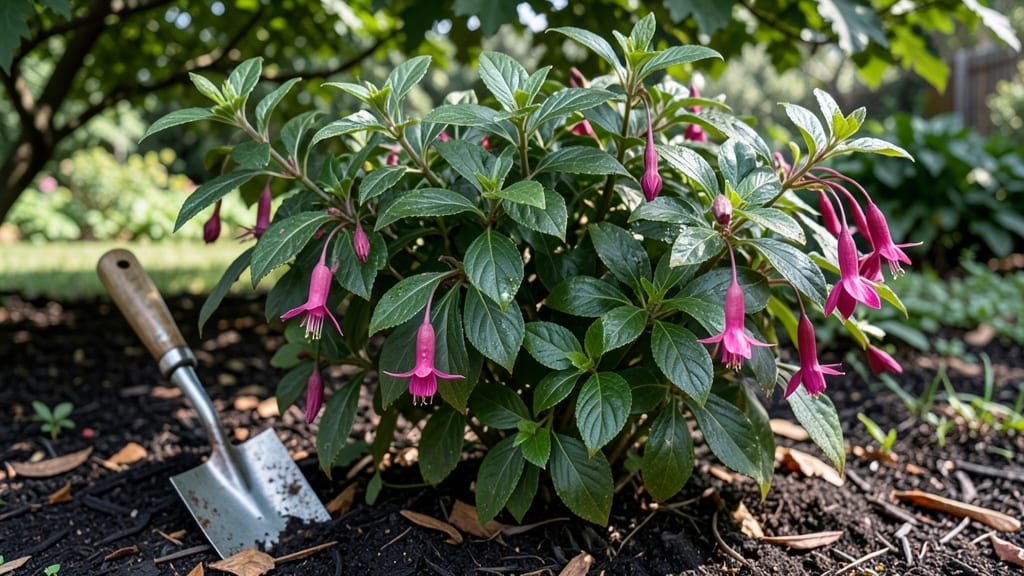
Wondering do fuchsias like shade? They do—but the right balance of light still unlocks those breathtaking 🌸 blooms you’re after.
Struggling to keep your fuchsias thriving in shady spots? Many gardeners assume these showstopping bloomers need full sun—but the truth is far more nuanced. With the right varieties and care, you can grow lush, vibrant fuchsias even in low-light conditions.
The key is understanding how much shade your plants can handle before their flowering slows down.
In this guide, I’ll break down how shade affects fuchsia growth, highlight the top 5 shade-tolerant varieties that deliver the best blooms, and share pro tips to maximize flowering in dimmer gardens.
Whether your space gets partial shade or full shade, these strategies will help you avoid common mistakes like overwatering and keep your fuchsias thriving all season long.
Ready to transform your shady garden into a fuchsia paradise? Let’s dive into the best ways to care for these delicate beauties—so you can enjoy their vibrant colors without the harsh sun.
 Best Window Placement
How much shade can fuchsias tolerate before flowering declines?
Fuchsias are often misunderstood as sun-loving plants, but the truth is they thrive in partial shade—a fact backed by chlorophyll activity studies. These delicate bloomers can tolerate 30-50% shade without significant flowering decline, though pushing beyond 60% shade triggers noticeable stress.
The key lies in photosynthesis efficiency: fuchsias adapt by producing more chlorophyll in low light, but this comes at a cost—reduced bloom production and slower growth rates.
When fuchsias receive less than 4 hours of direct sunlight daily, their energy shifts from flowering to leaf production. This survival mechanism explains why some gardeners see lush foliage but sparse blooms.
The critical threshold occurs at 70% shade or more, where flowering can drop by 40-60% compared to ideal light conditions. Understanding this science helps you optimize placement for vibrant blooms.
Here's how different shade levels affect fuchsias, with a focus on growth patterns and bloom production:
| Shade Level | Daily Sunlight | Growth Pattern | Bloom Production | Chlorophyll Activity |
|---|---|---|---|---|
| Partial Shade (30-50%) | 4-6 hours | Balanced, compact | Vibrant, abundant | Moderate efficiency |
| Moderate Shade (50-60%) | 2-4 hours | Leggy, sparse | Reduced by 20-30% | Increased chlorophyll |
| Full Shade (70%+) | Less than 2 hours | Slow, leafy | Declines 40-60% | Max chlorophyll, low energy |
The partial shade range (30-50%) is ideal for fuchsias, where they receive enough light for photosynthesis while avoiding leaf scorch. In this zone, you'll see compact growth and abundant blooms—the hallmark of healthy fuchsias.
The trade-off occurs when you move into moderate shade (50-60%), where plants stretch toward light, producing fewer flowers and weaker stems.
For gardeners in deeply shaded areas, like under large trees, fuchsias can still survive but require supplemental care. This includes using light-colored containers to reflect extra light and applying high-phosphorus fertilizer to encourage blooming.
The goal is to mimic the 4-6 hours of indirect light that fuchsias naturally crave, even in low-light environments.
One common mistake is assuming all shade is equal. Dappled shade—where light filters through leaves—is far better than dense shade from solid structures. If you're placing fuchsias under trees, prioritize spots where sunlight filters through branches rather than areas blocked by thick canopies.
This subtle difference can mean the difference between vibrant blooms and bare stems.
Scientific studies on photosynthesis in low-light conditions reveal that fuchsias compensate for shade by increasing chlorophyll production. However, this adaptation has limits. When shade exceeds 60% coverage, the plant's energy reserves deplete faster, leading to stunted growth and reduced flowering.
This is why even shade-tolerant varieties benefit from a few hours of morning sun to recharge their energy stores.
To test your fuchsias' light conditions, observe their leaves. Dark green, glossy leaves indicate adequate light, while pale or yellowing leaves signal insufficient photosynthesis. If you notice this, consider relocating your plants to a slightly sunnier spot or supplementing with a grow light for 2-3 hours daily.
This small adjustment can double your bloom production in shaded gardens.
For container gardeners, the solution is even simpler: rotate pots quarter-turns weekly to ensure even light exposure. This mimics natural light shifts and prevents one-sided growth. Pair this with well-draining soil and regular pruning to maintain shape, and you'll coax even shade-loving fuchsias into producing showstopping blooms.
Remember, fuchsias are not full-shade plants, but with the right care, they can thrive in partial shade conditions. The key is balancing their natural light needs with your garden's constraints. By understanding these thresholds, you'll transform shady corners into fuchsia hotspots bursting with color.
Top 5 fuchsia varieties that thrive in shady gardens
If you’ve ever wondered do fuchsias like shade, the answer is a resounding yes—with the right varieties. While most fuchsias prefer partial shade, some stunning cultivars actually thrive in full shade, producing lush foliage and vibrant blooms.
The key is selecting shade-tolerant varieties that adapt well to low-light conditions without sacrificing their signature pendulous flowers.
These top 5 shade-loving fuchsias are perfect for woodland gardens, under trees, or north-facing patios. Each variety boasts unique flower shapes, colors, and hardiness, making them ideal for gardeners with limited sunlight. Let’s explore the best options to keep your shady spots blooming all season long.
'Giant Marble' is a showstopper in deep shade, producing large, waxy flowers in shades of pink, purple, and white. This variety thrives in USDA Zones 9-11 and tolerates full shade better than most, making it ideal for woodland gardens or understory plantings. Its dark green, glossy foliage adds contrast, while its pendulous blooms attract hummingbirds even in low light.
For a compact yet prolific bloomer, 'Lady Thatcher' delivers double flowers in soft pink with a white throat. This hardy annual (or tender perennial in warm climates) performs exceptionally well in partial to full shade, producing continuous blooms from spring to frost.
Its upright growth habit makes it perfect for hanging baskets or window boxes in shady corners.
'Riccartonii', a trailing fuchsia, is a garden favorite for shade gardens thanks to its long, arching stems draped with bright red and purple flowers. This variety tolerates dappled shade and even morning sun with afternoon shade, making it versatile for patios, trellises, or container gardens. Its vigorous growth requires minimal pruning, but pinching back tips encourages fuller, bushier plants.
If you love unusual flower shapes, 'Marian's Minuet' will delight with its delicate, lacy blooms in shades of pink and white. This compact variety thrives in partial shade and is disease-resistant, making it low-maintenance for beginner gardeners.
Its small size (12-18 inches) makes it ideal for rock gardens or fairy garden accents in shady spots.
Lastly, 'Thalia' stands out with its large, velvety flowers in deep purple and magenta. This hardy perennial (in Zones 9-11) handles full shade exceptionally well, producing long-lasting blooms even in low-light conditions.
Its upright growth and bold foliage make it a statement plant for shady borders or woodland edges.
To keep these shade-loving fuchsias thriving, ensure they’re planted in well-draining, slightly acidic soil (pH 6.0-6.5) and water consistently—avoid soggy roots in low-light conditions. A light layer of mulch helps retain moisture while protecting roots from temperature swings.
With the right variety and care, your shady garden can burst with color all season! 🌿🌸