
Plants
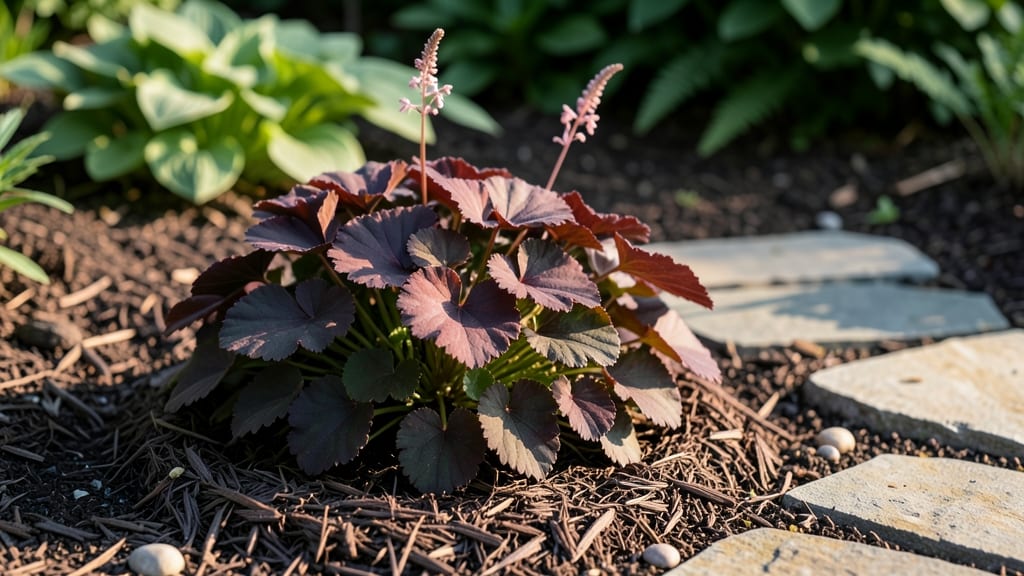
Coral bells like shade but need the right balance to show off their stunning foliage 🌸—some varieties handle low light better than others, and a few even thrive in full shade.
If you’re dreaming of vibrant, low-maintenance plants for shady spots in your garden, coral bells (Heuchera) might be your perfect match—but not all varieties thrive in dim lighting.
Too much shade can dull their colors, while too much sun risks scorching those delicate leaves. The key is choosing the right type and giving them partial shade with just a hint of morning sunlight.
In this guide, I’ll break down the best shade-tolerant varieties, how to care for them in low-light gardens, and creative ways to use them in your landscape.
 Best Window Placement
Best coral bells varieties that thrive in shade
Coral bells (Heuchera) are prized for their stunning foliage and adaptability, but not all varieties handle shade equally. While most coral bells tolerate partial shade, some varieties—like 'Palace Purple' and 'Lavender Lace'—thrive in full shade with minimal sunlight.
The key lies in selecting the right cultivar and providing optimal growing conditions to keep their leaves vibrant and healthy.
Shade-loving coral bells excel in gardens with dappled sunlight or areas blocked by trees, fences, or buildings. Their striking foliage colors—ranging from deep purples to silvery lavenders—make them standout plants in low-light spaces. However, full sun exposure can cause leaf scorch, especially for varieties with dark or intense hues.
Here’s how to choose the best shade-tolerant coral bells for your garden, along with their unique traits and care tips:
| Variety | Light Needs | Foliage Color | Height | Shade Tolerance | Best For |
|---|---|---|---|---|---|
| 'Palace Purple' | Partial to full shade | Deep purple-black | 12–18 inches | Excellent (full shade) | Dramatic contrast in shady borders |
| 'Lavender Lace' | Partial shade to dappled sun | Soft lavender with white edges | 10–14 inches | High (full shade) | Elegant container gardens |
| 'Plum Pudding' | Partial shade | Rich plum with silver veins | 12–16 inches | Good (partial shade) | Woodland garden accents |
| 'Palace Pink' | Partial shade to full sun | Soft pink | 12–18 inches | Moderate (partial shade) | Brightening shady corners |
| 'Green Spice' | Partial shade to full sun | Lime green with red stems | 12–16 inches | Moderate (partial shade) | Contrast in mixed borders |
The 'Palace Purple' variety is my top pick for full shade gardens, thanks to its bold, velvety leaves that retain their color even in low light. Its deep purple hue adds richness to dark corners, while its compact size makes it ideal for container gardening or layered plantings.
For a softer look, 'Lavender Lace' offers delicate, silvery-white edges that catch the light beautifully, even in dim conditions.
'Plum Pudding' is another standout for its textured foliage, featuring deep plum leaves with striking silver veins. This variety thrives in partial shade and pairs well with ferns or hostas for a lush, woodland-inspired garden. If you prefer a pop of color, 'Palace Pink' delivers a soft blush hue that brightens shady areas without requiring full sun.
For gardeners with mixed-light conditions, 'Green Spice' is a versatile choice. Its lime-green leaves with red stems add a fresh contrast, and it tolerates both partial shade and morning sun. This variety is perfect for adding a modern, vibrant touch to shady garden beds or containers.
When selecting coral bells for shade, prioritize varieties with lighter or silver foliage, as these reflect more light and appear brighter in low-light conditions. Darker varieties like 'Palace Purple' can still thrive but may lose some vibrancy without adequate light.
To maintain their color, ensure they receive at least 2–4 hours of indirect light daily, even in full shade.
Pro tip: Group coral bells with other shade-tolerant plants like hostas, foamflower, or Japanese painted ferns to create a cohesive, low-maintenance garden. These companions share similar care needs and enhance the visual appeal of your shaded areas.
With the right variety and a little attention to light and soil conditions, your coral bells will reward you with year-round interest, even in the shadiest spots of your garden. Their textured foliage and colorful leaves make them a must-have for any shade garden.
How to care for coral bells in low-light gardens
Coral bells (Heuchera) are prized for their stunning foliage, but their light needs can be confusing. While they do tolerate shade, not all varieties perform equally in low-light conditions. The key to success lies in selecting the right shade-tolerant varieties and providing optimal growing conditions.
With the right approach, your coral bells can thrive even in the shadiest corners of your garden.
When planting coral bells in low-light areas, focus on well-draining soil and proper spacing. These plants prefer moist but not soggy soil, so amending your garden soil with compost or organic matter improves drainage while retaining moisture.
Avoid heavy clay soils, which can suffocate roots and lead to rot, especially in shady spots where evaporation is slower.
⚠️ callout warning
While coral bells can grow in shade, deep or dense shade (like under tall trees with no dappled light) will cause pale, weak foliage and poor growth. Varieties like 'Palace Purple' and 'Lime Rickey' handle shade better than 'Berry Smoothie' or 'Firefly', which need more light for vibrant colors.
If your coral bells look leggy or pale, they may need 2-4 hours of indirect light daily. Consider moving them to a slightly sunnier spot or supplementing with a grow light for 4-6 hours in winter.
Watering coral bells in low-light gardens requires a balanced approach. Since shade slows evaporation, the soil stays moist longer, reducing the risk of drought stress. However, overwatering can lead to root rot, especially in containers.
Water deeply once a week in spring and fall, but reduce frequency to every 10-14 days in winter when growth slows. Always check the top inch of soil—if it’s dry, it’s time to water.
Mulching is a game-changer for coral bells in shady areas. Apply a 2-3 inch layer of organic mulch (like shredded bark or leaves) around the base to retain moisture, regulate soil temperature, and suppress weeds.
Avoid piling mulch directly against the stems, as this can cause rot. Replenish mulch annually to maintain its effectiveness, especially in dry shade where moisture evaporates slowly.
Fertilizing shade-grown coral bells should be light and infrequent. Use a balanced, slow-release fertilizer (like 10-10-10) in early spring to encourage new growth. Avoid high-nitrogen fertilizers, which promote leafy growth at the expense of color intensity.
In shady conditions, coral bells may need less fertilizer—overfeeding can lead to weak, floppy stems. A monthly dose of liquid seaweed extract can also boost resilience without risking burnout.
To keep your coral bells looking their best, prune spent leaves and stems in early spring before new growth emerges. This encourages neat, compact foliage and prevents the plant from becoming leggy in low light.
If your coral bells develop brown or yellow leaves, it may signal overwatering, nutrient deficiency, or insufficient light. Adjust care accordingly—move the plant to a brighter spot or reduce watering frequency.