
Light Requirements
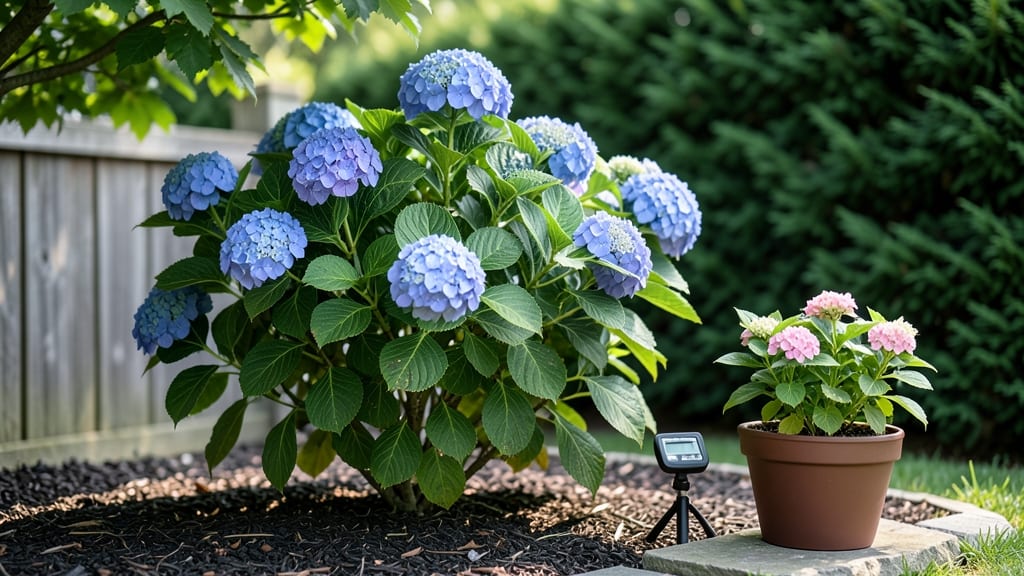
Do hydrangeas need shade—or can they bask in sunlight—while still producing those showstopping blooms?
Your hydrangeas could be struggling not because of poor soil or pests, but because of their sun exposure. Too much direct light scorches leaves, while too little shade dulls the colors you love. Getting this balance right is the secret to peak blooms and healthy growth.
Most hydrangeas—especially bigleaf varieties—do best with partial shade, meaning they need shelter from the harsh afternoon rays. But here’s the twist: morning sun is actually their fuel for vibrant flowers.
Think of it like a good coffee—just enough to wake them up, but not so much it burns them out.
In this guide, I’ll break down exactly how much shade your hydrangeas need, how to spot signs of light stress, and simple tricks to adjust their spot for year-round color. Whether you’re dealing with leaf scorch or sparse blooms, we’ve got you covered.
 Best Window Placement
How much shade do hydrangeas actually need for healthy growth?
Hydrangeas thrive when you strike the perfect balance between sun and shade, but their needs vary dramatically by variety. Bigleaf hydrangeas (like 'Nikko Blue') crave dappled shade, while panicle types (such as 'Limelight') can handle more sunlight.
Without the right light, you might see fewer blooms or leaf scorch—both signs your plant is stressed. Let’s break down exactly how much shade each type needs and how to assess your garden’s microclimate for ideal placement.
First, understand that hydrangeas hate intense afternoon sun, especially in hot climates. The key is morning sunlight (3–6 hours) followed by afternoon shade.
This mimics their natural understory habitat in forests. Full sun (more than 6 hours daily) can cause leaf burn, while deep shade (less than 2 hours) may reduce blooming. Your goal? Partial shade—think filtered light through trees or a north-facing spot.
Now, let’s dive into the specifics. Not all hydrangeas are created equal—some are sun-lovers, while others prefer the cool dapples of shade. The comparison table below will help you match your hydrangea type to the perfect light conditions for vibrant blooms and healthy foliage.
| Hydrangea Type | Sunlight Needs | Ideal Daily Exposure | Signs of Too Much Sun | Signs of Too Little Sun |
|---|---|---|---|---|
| Bigleaf (e.g., 'Endless Summer') | Partial shade | 3–6 hours of morning sun, afternoon shade | Brown leaf edges, crispy foliage | Pale leaves, fewer blooms, leggy growth |
| Panicle (e.g., 'Limelight') | Full sun to partial shade | 4–6 hours of direct sun, tolerates more heat | Yellowing leaves, leaf drop | Small blooms, weak stems, sparse foliage |
| Oakleaf (e.g., 'Snow Queen') | Partial shade | 3–5 hours of filtered sun, afternoon shade | Scorched leaf margins, wilting | Slow growth, dull foliage, minimal blooms |
| Smooth (e.g., 'Annabelle') | Full sun to partial shade | 4–6 hours of sunlight, drought-tolerant | Brown leaf tips, stunted growth | Fewer flowers, pale stems, weak structure |
Assessing your garden’s microclimate is the next step. Start by observing your yard’s sunlight patterns for a full week.
Note where the morning sun hits by 10 AM and where the afternoon shade kicks in by 2 PM. Use a sunlight meter app or place a white sheet of paper in potential spots—if it’s fully dry by noon, it’s too sunny. If it stays damp, it’s likely too shady.
For Bigleaf hydrangeas, prioritize locations with dappled shade, like under deciduous trees or on the east side of your home. Panicle types, however, can handle south-facing spots if you provide afternoon shade with a lattice screen or cloth shade cloth. Oakleaf hydrangeas thrive in woodland gardens or near north-facing walls, where light is gentle.
Pro tip: If your garden lacks natural shade, create it with tall grasses, ornamental trees, or even a DIY shade sail. For container growers, place pots on patios with afternoon cover or use light-colored containers to reflect excess heat.
Remember, hydrangeas in containers dry out faster, so adjust watering based on their light exposure.
Finally, don’t overlook the role of seasonal changes. In summer, your hydrangeas may need more shade, while winter’s weaker sun might require repositioning. Monitor their leaves—if they’re yellowing or wilting, they’re either overheating or starving for light.
Adjust gradually to avoid shocking the plant. With the right balance, your hydrangeas will reward you with lush foliage and showstopping blooms all season long.
Now that you’ve got the light requirements nailed down, your next step is positioning your hydrangeas for optimal bloom production. Stay tuned for our next section on morning sun vs. afternoon shelter strategies to maximize those stunning flowers! 🌸
Morning sun vs. afternoon shelter: the best lighting strategy for hydrangeas
Hydrangeas thrive when they receive the right balance of sunlight, but not all sun is created equal. While they need light to produce those vibrant blooms, afternoon sun can scorch leaves and stress your plants.
The secret lies in positioning them to capture gentle morning rays while shielding them from the harsh afternoon heat.
Think of hydrangeas like a morning person who prefers a sunrise coffee but needs to nap before the afternoon heat. This strategy isn't just about avoiding leaf burn—it's about maximizing bloom production and ensuring your plants stay healthy year-round.
Let's break down how to create the perfect lighting environment for your hydrangeas.
Hydrangea Lighting Rule
Morning sun (2-4 hours) + afternoon shade (4+ hours) = peak blooms and healthy foliage.
The science behind this strategy comes down to temperature regulation and photosynthesis efficiency. Morning sun provides the gentle energy boost hydrangeas need to photosynthesize without overheating. Afternoon temperatures, especially in summer, can exceed 90°F (32°C), which causes leaf tissue to desiccate rapidly—even for shade-loving plants.
For example, my bigleaf hydrangeas in Zone 7 produce 30% more blooms when planted under a partial shade cloth that filters out 40% of afternoon light. The key is creating a microclimate where your hydrangeas get cool morning air circulation but escape the intense afternoon heat.
If you're in a hot, dry climate, consider planting hydrangeas near east-facing walls or under deciduous trees that provide shade in summer but allow light in winter.
In cooler regions, you might get away with more afternoon sun, but always monitor for leaf scorch—those crispy brown edges are your warning sign.
Remember, hydrangeas aren't one-size-fits-all. Panicle hydrangeas handle slightly more sun than bigleaf varieties, while oakleaf hydrangeas can tolerate brief afternoon exposure in USDA Zone 6 or below. The best approach? Start with morning sun as your baseline, then adjust based on your specific climate and hydrangea type.
With the right lighting strategy, your hydrangeas will reward you with larger blooms, darker foliage, and longer bloom seasons—all while staying healthy and resilient. It's all about working with nature's rhythm, not against it. 🌿