
Light Requirements
Do New Guinea impatiens need sun or shade—they actually prefer bright, indirect light with just a touch of morning sun 🌸 — the difference between a plant that blooms all season and one that fades fast.
Struggling to keep your New Guinea impatiens thriving? The battle between sun and shade might be the secret to their lush foliage and vibrant blooms—or the reason they’re wilting before your eyes.
Too much direct sun scorches their delicate leaves, while too little shade leaves them leggy and sparse. Finding that sweet spot means understanding how light behaves in your garden or container setup.
In this guide, I’ll break down the ideal light conditions, spot the warning signs of stress, and share creative shade solutions to keep your impatiens looking their best all season long.
 Best Window Placement
New Guinea impatiens sunlight requirements: the ideal light balance for maximum growth
If you're wondering do New Guinea impatiens need sun or shade, the answer lies in their tropical origins. These stunning plants thrive in bright indirect light with just a touch of morning sun.
Too much direct sunlight can scorch their delicate leaves, while too little shade may stunt their vibrant blooms. Finding the perfect balance is key to keeping your New Guinea impatiens lush and blooming all season long.
Native to the highlands of New Guinea, these impatiens prefer conditions similar to their natural dappled forest understory. This means they need protection from the harsh midday sun but still require enough light to fuel their growth and flower production.
Understanding this balance will help you create the ideal environment for your plants, whether in your garden or containers.
New Guinea impatiens sunlight requirements typically fall between 4 to 6 hours of morning sun combined with filtered light for the remainder of the day. This mimics the natural light conditions they experience in their native habitat. When placed correctly, you'll see robust foliage and continuous blooms from spring through fall.
Here's a quick comparison to help you visualize the ideal light conditions for your New Guinea impatiens:
When selecting a location for your New Guinea impatiens, prioritize spots that receive morning sunlight and afternoon shade. East-facing windows or locations under deciduous trees are perfect choices. These areas provide the gentle light your plants crave while protecting them from the intense afternoon rays that can cause damage.
For container gardeners, placing your impatiens near a north or east-facing window works beautifully. If you notice the leaves turning pale or the plant stretching toward the light, it's a sign you need to move it to a slightly brighter spot.
Conversely, if the leaves develop brown patches or crisp edges, your plant is getting too much direct sun.
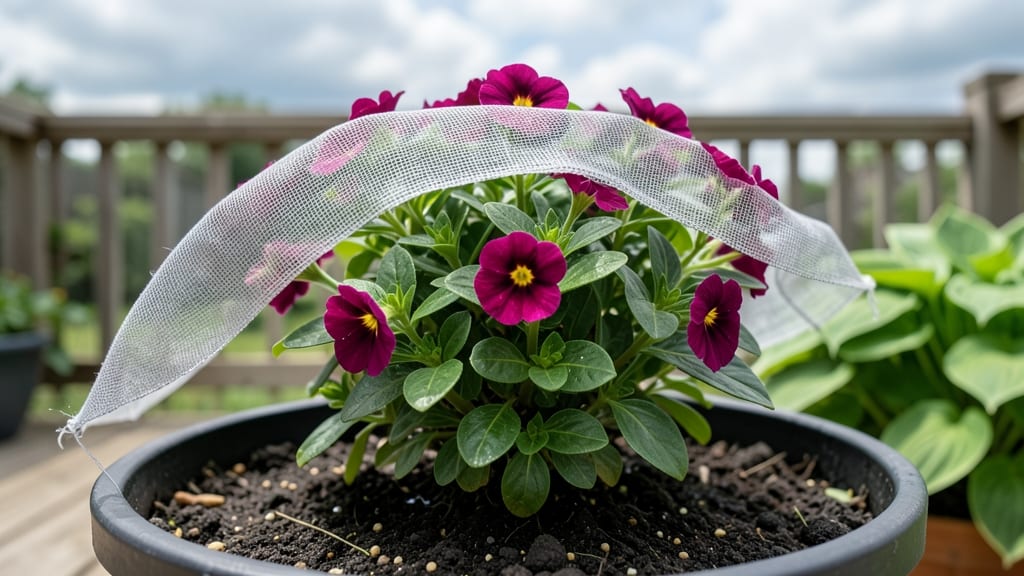
In hotter climates, even morning sun can be intense, so consider using a 30-50% shade cloth during peak summer months. This simple adjustment can make a world of difference in preventing sunburn while still allowing enough light for healthy growth.
I've found that a lightweight shade cloth draped over a trellis works wonders for my container-grown impatiens.
If you're planting in your garden, observe the light patterns throughout the day. Notice which areas receive direct sunlight for only a few hours in the morning and then transition to shade.
These microclimates are perfect for New Guinea impatiens and can often be found near fences, under larger shrubs, or along the north side of buildings.
Remember that New Guinea impatiens are not shade-tolerant like some other impatiens varieties. While they prefer shade, they won't thrive in deep, dark conditions. Aim for locations that offer bright filtered light—think of it as "sunlight through a sheer curtain."
This balance is what will give you those show-stopping blooms and glossy foliage that make these plants so popular.
For those in cooler climates, you might find that your impatiens can handle a bit more direct light, especially during the cooler months. However, always monitor your plants and adjust their position as needed.
The key is to provide consistent conditions that mimic their natural tropical environment as closely as possible.
By understanding and meeting your New Guinea impatiens' sunlight requirements, you'll be rewarded with plants that bloom profusely and remain healthy throughout the growing season. The secret lies in that perfect balance—just enough light to fuel their growth without overwhelming them with harsh conditions.
With this knowledge, you're well on your way to creating a thriving display of these tropical beauties in your garden or home. 🌸
Signs your New Guinea impatiens need more shade (and how to fix it)
If your New Guinea impatiens look more stressed than a sunburned beachgoer, it’s time to check their light exposure. These tropical beauties thrive in bright indirect light but can’t handle harsh afternoon rays.
When they get too much sun, their leaves start telling a story—one you’ll want to listen to before it’s too late.
Watch for yellowing leaves that start at the edges and work inward. This classic sign of leaf scorch means your plants are overheating. You might also notice crispy, brown patches or leaves that feel papery and brittle to the touch.
Even worse, the vibrant blooms may wilt faster than expected, leaving you with sad, droopy stems.
🌸
🌿 Warning: Too Much Sun Is a Silent Killer
Your New Guinea impatiens can’t tell you they’re suffering, but their leaves can. Direct afternoon sun causes irreversible damage, leading to leaf drop and stunted growth. If you see bleached or white patches on leaves, your plants are essentially getting a sunburn—just like human skin would. Act fast by moving them to a shadier spot or providing temporary shade.
Don’t wait until your plants are completely wilted before taking action. Even a few hours of harsh midday sun can stress them out. Look for stunted new growth or buds that refuse to open—these are red flags.
The good news? Fixing the issue is easier than you think. Start by relocating your plants to a spot with dappled shade, like under a tree with a filtering canopy.
If you can’t move them immediately, try using a lightweight shade cloth (30-50% shade) to block the worst of the sun. Even a white garden umbrella placed nearby can work wonders.
And if you’re planting in a garden bed, consider pairing your impatiens with taller plants like coleus or ferns to create natural shade for their lower leaves.
Remember, New Guinea impatiens are tropical divas—they love warmth but hate harsh light. With the right adjustments, you’ll see them bounce back in just a few days, regaining their lush, glossy leaves and vibrant blooms. The key is acting before the damage becomes permanent.
☀️