
Plants
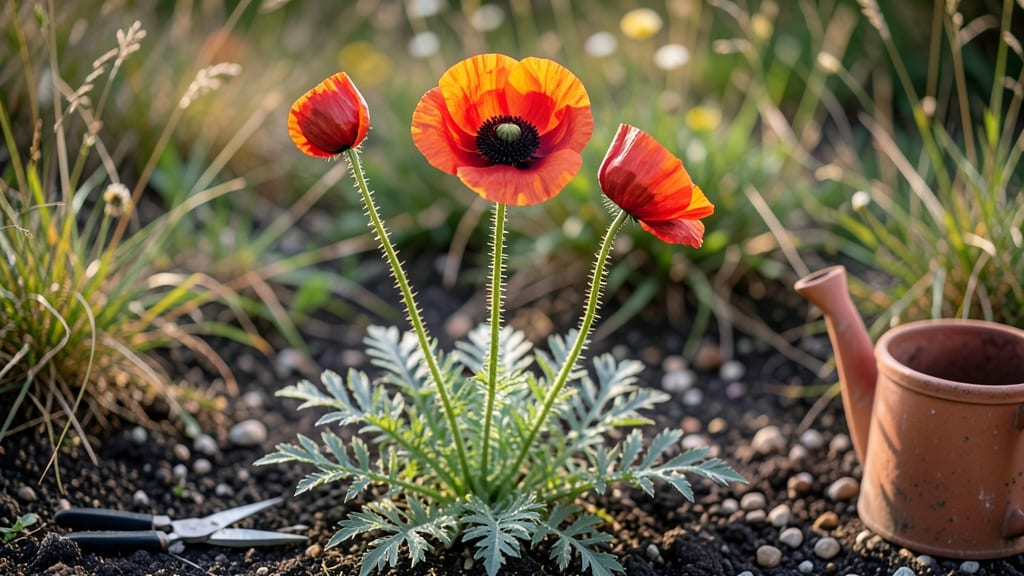
Do poppies like the sun or shade—you’ll never guess which one makes those dreamy blooms thrive. 🌻 I’ve watched them flop in shade, their stems stretching weak and leggy, while the same plants in full sun grow tall and sturdy with blooms that pop like confetti.
The secret isn’t just sunlight, though—it’s the intensity of it, especially in hot climates where afternoon shade becomes a lifesaver.
Too little light shows up fast: fewer blooms, smaller stems, and leaves that pale like they’re begging for more. In hot, dry regions (think Zone 7+), poppies often need afternoon shade to prevent wilting, but they’ll still demand morning sun.
The trick is balance—think of it like a sunbathing schedule: full sun when it’s cool, a break when it’s scorching. Most gardeners overcompensate by planting them in deep shade, only to wonder why they’re underperforming.
When you get it right, you’ll see poppies bolt upright with blooms that last just days but feel like a daily miracle. The foliage stays vibrant, the stems stay strong, and you’ll understand why they’re one of the most dramatic annuals around.
Start with a sunny spot, monitor how they react, and adjust as needed—these flowers don’t forgive neglect, but they reward the right conditions handsomely.
For cooler climates (Zones 3-6), full sun all day is ideal, but even there, a little afternoon relief can prevent heat stress. Avoid planting them under trees or near tall structures that cast long shadows—poppies hate competition for light.
If your garden’s sunlight is limited, consider reflective surfaces (like white walls or gravel) to bounce extra light their way. It’s all about giving them the bold, bright conditions they crave to shine.
📚 In This Guide
- What you need
- Instructions
- Tips and common mistakes
- Wrapping up and next steps
What you need
- ● Poppy seeds or seedlings: Choose Papaver species like California poppies (Eschscholzia californica) or opium poppies (Papaver somniferum) based on your light preferences.
- ● Well-draining soil: 5–10 gallons of a mix of 60% garden soil, 30% perlite or coarse sand, and 10% compost (poppies hate soggy roots!).
- ● Containers or garden bed: For sun-lovers: A 6-inch-deep container (or garden plot) with full sun exposure (6+ hours/day).
- ● For shade-tolerant varieties: A shady spot with dappled light (3–4 hours of morning sun).
- ● Watering can or hose: With a fine rose nozzle for gentle watering.
- ● Gardening gloves: To protect your hands while handling soil or seeds.
- ● Light meter or sun tracker: To monitor light intensity (especially for shade-loving varieties).
- ● Mulch (straw or pine needles): To retain moisture and regulate soil temperature.
- ● Poppy companion plants: Like lavender or marigolds, to deter pests and enhance growth.
- ● Grow lights (for indoor setups): A 12–14 hour LED grow light if sunlight is limited.
How to position poppies for maximum blooms
Poppies thrive with the right light—too much sun scorches them, too little shade dulls their color. Here’s how to get it perfect.
☀️ Step 1: Identify Your Poppy Variety’s Light Needs
Most poppies—especially the classic California poppy (Eschscholzia californica) and oriental poppy (Papaver orientale)—crave full sun (6+ hours daily). They’ll tolerate 4-6 hours if summers are scorching, but blooms will be sparse. Shade-loving varieties like the Iceland poppy (Papaver alpinum) prefer partial shade (3-4 hours sun), especially in hot climates.
Check your poppy’s label or research its native habitat—wild poppies grow in open meadows, not dense forests. If you’re unsure, start with morning sun and afternoon shade to test their tolerance. You’ll know it’s right when leaves stay a vibrant green, not yellow or wilted.
🌱 Step 2: Choose the Perfect Planting Spot
For sun-loving poppies, pick a location with unfiltered light—no towering trees or buildings casting shadows. I avoid spots where neighbors’ fences or walls block sunlight after noon, as that’s when poppies need the most energy. If your yard has intense afternoon sun (after 2 PM), mulch the soil with 2-3 inches of organic mulch to retain moisture and prevent root stress.
For shade-tolerant varieties, select a spot with dappled light—like under a high canopy where sunlight filters through leaves. Watch for 2-3 hours of direct sun in the morning, then gradual shade as the day progresses. Poppies in full shade will grow tall but leggy, with fewer blooms.
💧 Step 3: Monitor Light Exposure Weekly
Poppies adjust to light changes, but sudden shifts—like a newly trimmed tree—can shock them. Every 7-10 days, observe your poppies between 10 AM and 4 PM to track sunlight patterns. If leaves start curling or turning yellow, they’re getting too much heat. Move them to a slightly shadier spot or provide afternoon shade with a lightweight cloth or lattice if outdoors.
If blooms fade quickly or stems weaken, they’re not getting enough light. Gradually increase sun exposure by 1 hour daily until they reach their ideal 6+ hours. You’ll see stronger stems and brighter blooms within 2-3 weeks of adjustment.
✂️ Step 4: Adjust for Seasonal Light Shifts
Summer solstice delivers the most intense light, while winter days are shorter. Poppies handle this naturally, but extreme conditions need tweaking. In peak summer, water deeply 2-3 times weekly to help roots cope with heat stress. In winter, move tender varieties like oriental poppies to a bright indoor windowsill if frost threatens.
Here’s the thing—poppies in containers can be moved easily to follow the sun. Place them on a rolling tray or near a south-facing window if your yard’s light shifts. You’ll notice blooms lasting longer and stems staying upright when light conditions are ideal.
🌿 Step 5: Troubleshoot Light-Related Issues
Yellowing leaves? Too much sun. Leggy stems with sparse blooms? Not enough light. Poppies send clear signals. If leaves develop brown crispy edges, they’re sunburned—relocate to partial shade immediately. If blooms close by midday, they’re wilting from heat—provide afternoon shade or increase watering.
Real talk: Overwatering in full sun is just as harmful as too much shade. Poppies need well-draining soil to prevent root rot. Amend heavy clay with compost or sand to improve airflow. You’ll know you’ve got it right when poppies bloom prolifically and leaves stay lush green.
Tips & tricks for perfect poppy light positioning
Getting poppy light just right transforms floppy stems into vibrant blooms—here's how to nail it without guesswork.
Variety-Specific Lighting: The difference between sparse blooms and a lush display often comes down to knowing your poppy type. California poppies need that full sun (6+ hours) to thrive, while Iceland poppies will reward you with delicate blooms in just 3-4 hours of morning sun. I always check the label or research native habitats—wild poppies grow in open meadows, not dense forests. That's your clue right there.
Seasonal Light Strategy: Summer's intense afternoon sun (after 2 PM) can scorch poppies, even the hardy varieties. Here's my trick: mulch with 2-3 inches of organic material to retain moisture and protect roots. For shade-loving types, I create dappled light spots by placing them under high canopies where sunlight filters through leaves naturally. The key is gradual transitions—never move plants suddenly from full sun to deep shade.
Observation Over Rules: Poppies send clear signals about their light needs. Watch between 10 AM and 4 PM every 7-10 days for these telltale signs: vibrant green leaves mean perfect light, yellowing means too much sun, and leggy stems mean not enough. I've learned that gradual adjustments work best—if blooms fade quickly, increase sun exposure by just 1 hour daily until you hit that ideal 6-hour mark for sun lovers.
Container Mobility Advantage: One of my favorite secrets for container-grown poppies is their flexibility. Place them on rolling trays or near south-facing windows to follow the sun's path throughout the day. You'll notice blooms lasting longer and stems staying upright when you let them chase the sunlight naturally. This works especially well for oriental poppies that need protection from winter frost.
Pro Tips for Do Poppies Like Sun Or Shade
- Getting poppy light just right transforms floppy stems into vibrant blooms—here's how to nail it without guesswork.
- Variety-Specific Lighting: The difference between sparse blooms and a lush display often comes down to knowing your poppy type.
- Seasonal Light Strategy: Summer's intense afternoon sun (after 2 PM) can scorch poppies, even the hardy varieties.
Frequently asked questions
Got questions about poppies and their love for light? You’re not alone! Here are some of the most common queries—plus quick, no-fuss answers to help your poppies thrive.
Do poppies need full sun to bloom?
Yes! Poppies love full sun (6+ hours daily) for the boldest blooms. While they tolerate partial shade, expect fewer flowers and leggier stems. If your garden is shady, opt for shade-tolerant varieties like Papaver bracteatum (though they’ll still prefer bright spots).
Can poppies grow in shade?
Poppies can survive in partial shade (3–6 hours of sunlight), but they’ll struggle to bloom as vibrantly. If shade is unavoidable, prioritize well-draining soil and choose shorter varieties like Papaver commutatum. Avoid deep shade—it leads to weak stems and sparse flowers.
Why are my poppies not blooming in shade?
Shade starves poppies of the energy they need to produce flowers. Check for:
- Light levels: Move pots or thin nearby plants to increase sunlight.
- Soil health: Amend with compost for nutrients.
- Variety: Some poppies (like Iceland poppies) handle shade better.
How do I transition poppies from shade to sun?
Acclimate gradually to avoid leaf burn:
- Week 1–2: Move to a spot with morning sun + afternoon shade.
- Week 3–4: Extend sun exposure by 1–2 hours daily.
- Final step: After 4+ weeks, place in full sun.
What’s a low-maintenance poppy alternative for shady gardens?
If poppies aren’t your shade game, try these easy-care bloomers:
- Bleeding heart (Dicentra spectabilis) – Thrives in dappled shade.
- Foxglove (Digitalis purpurea) – Tall, dramatic, and shade-tolerant.
- Impatiens (Impatiens walleriana) – Loves shade and blooms nonstop.
Wrapping up and next steps
So, do poppies prefer sun or shade? The answer is clear: bright light is their happy place! 🌞 Whether you’re growing Papaver rhoeas or Papaver somniferum, these bold bloomers thrive with at least 6-8 hours of sunlight daily.
While they tolerate partial shade, their colors fade and stems weaken without ample light—so don’t skimp on sunshine!
Ready to transform your garden with poppies? Start by picking the sunniest spot in your yard, amending the soil with compost, and plant those seeds or bulbs with confidence. Watch those vibrant blooms pop up in no time! 🌸✨