
Plants
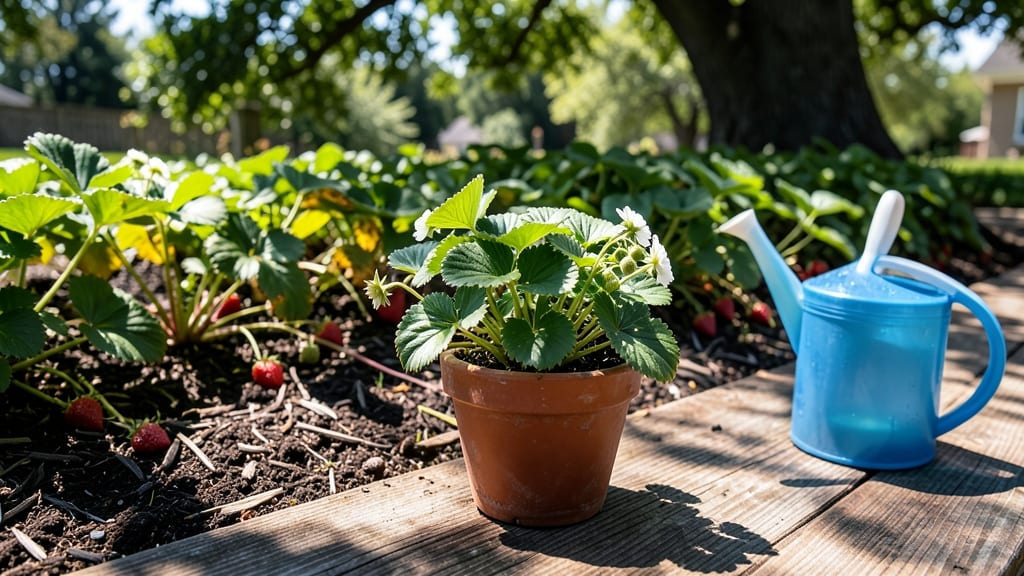
Do strawberries like shade—or do they actually crave the sun? They need at least 6 hours of direct light daily to produce sweet, abundant fruit.
But what happens when your garden only offers partial shade? You might still get berries, but they’ll be smaller, fewer, and less flavorful. The good news? With the right adjustments, you can trick your strawberry plants into thinking they’re in the sun—even when they’re not.
From selecting shade-tolerant varieties to optimizing planting spots, I’ll show you how to maximize your harvest without sacrificing quality. Whether you’re dealing with a shady yard or a container garden with limited light, these tips will help you grow strawberries that taste like they’ve been kissed by the sun.
Ready to turn your shady patch into a berry bonanza? Let’s dive into the secrets of growing strawberries in partial shade—and why a little extra care goes a long way.
 Best Window Placement
How much shade can strawberries tolerate before failing?
Strawberries are sun-loving plants, but many gardeners wonder how much shade they can handle before growth suffers. The truth is, strawberries thrive with 6 to 8 hours of direct sunlight daily.
When shade reduces sunlight below 4 hours per day, you’ll notice weaker plants, fewer flowers, and smaller berries. Understanding this balance is key to maximizing your harvest.
The critical threshold for strawberries is less than 3 hours of sunlight. At this point, the plant struggles to produce energy through photosynthesis, leading to stunted growth and poor fruiting.
Even partial shade can reduce yields by up to 50%, but the right variety and care can help mitigate the effects.
Shade affects strawberries in three critical ways: leaf development, flower production, and fruit quality. Without enough light, leaves grow thin and pale, flowers fail to set, and berries become small and tart. The good news? Some varieties are more shade-tolerant than others, and strategic planting can help.
| Sunlight Requirement | Growth Impact | Fruiting Impact | Variety Suitability |
|---|---|---|---|
| 6+ hours full sun | Optimal leaf growth | Abundant, large berries | All varieties |
| 4-5 hours sun | Slower growth, weaker stems | Reduced yield, smaller berries | June-bearing, everbearing |
| 3 hours sun | Stunted growth, pale leaves | Very few berries, poor quality | Day-neutral only |
| Less than 3 hours | Severe decline, leggy growth | No fruit production | Not recommended |
If your garden only offers partial shade, focus on day-neutral varieties like 'Albion' or 'Seascape'. These types produce fruit continuously and tolerate lower light better than June-bearing varieties, which rely heavily on spring sunlight for their single harvest.
Even with shade-tolerant types, expect 30-40% fewer berries compared to full-sun conditions.
Shade also delays flowering. Strawberries need sunlight to trigger flowering hormones, so plants in shade may bloom weeks later—or not at all. If you notice fewer than 5 flowers per plant, it’s a red flag that sunlight is insufficient.
In such cases, consider moving plants to a sunnier spot or using reflective mulches to bounce light onto the foliage.
Heat can compound shade issues. In hot climates, afternoon shade is beneficial, but morning sun is still essential. Without it, strawberries struggle to photosynthesize early in the day, weakening the plant before the heat sets in.
If your garden has intense afternoon shade, prioritize morning sunlight exposure for best results.
Container-grown strawberries face even greater shade challenges because pots offer limited root space and dry out faster. In containers, ensure at least 5 hours of sun daily and use lightweight, well-draining soil to compensate. Without adequate light, container strawberries often produce tiny, underdeveloped berries or none at all.
To test your strawberry plants' sunlight exposure, use a sunlight tracker for a week. Place a white board near your plants and mark the shaded areas every hour. If more than 20% of the board remains shaded during peak sunlight hours (10 AM–4 PM), your plants are likely struggling.
Adjust placement or prune nearby trees to improve light access.
If you can’t move plants, prune competing foliage to open up the canopy. Remove weeds and overgrown plants within 3 feet of your strawberries to let more light reach the leaves. Even small improvements in sunlight can boost fruit production by 20-30% in shaded conditions.
Remember, strawberries are resilient, but they won’t thrive in deep shade. If your garden offers only 2-3 hours of sun, consider growing shade-tolerant alternatives like raspberries or blackberries, which handle lower light better.
For strawberries, partial shade is better than no sun, but full sun remains the gold standard for sweet, abundant harvests.
Best ways to grow strawberries in partial shade for maximum yield
If your garden gets only a few hours of sunlight, don’t give up on growing strawberries! While these plants love full sun, they can still thrive in partial shade with the right strategies.
The key is selecting shade-tolerant varieties and optimizing their growing conditions to maximize fruit production. With smart adjustments, you can enjoy sweet berries even in shadier spots.
Partial shade means 3-6 hours of sunlight daily, but strawberries need more light for optimal fruiting. When light is limited, focus on light optimization, proper spacing, and supplemental care. Even in shady areas, you can coax your strawberry plants into producing a decent harvest by following these proven techniques.
- 1 Choose shade-tolerant varieties like Albion or Seascape, which handle 3-4 hours of sun better than others.
- 2 Plant in containers for mobility—move pots to sunniest spots during peak sunlight hours (10 AM–2 PM).
- 3 Prune nearby trees/shrubs to increase light exposure by 20-30% during critical growing months.
- 4 Use reflective surfaces like white mulch or mirror panels to bounce extra light onto plants.
- 5 Supplement with grow lights (LED or fluorescent) for 4-6 hours/day if natural light drops below 3 hours.
Start by selecting everbearing or day-neutral varieties, which produce fruit earlier and adapt better to lower light conditions. Varieties like Ozark Beauty or Tristar are excellent choices for partial shade, as they tolerate 4+ hours of sun without sacrificing too much yield.
Pair these with raised beds or containers to improve drainage and light exposure.
Optimize light by thinning out competing plants and trimming back overhanging branches. Even a 20% increase in sunlight can boost fruit production by 30-40%. If your strawberries are in deep shade, consider artificial grow lights placed 6–12 inches above the plants.
LED grow lights are energy-efficient and can provide the blue and red spectrums strawberries need for flowering.
Finally, mulch heavily with straw or wood chips to retain moisture and regulate soil temperature. Shady areas stay cooler, so mulch helps prevent root stress and encourages healthier growth. With these adjustments, you’ll still enjoy a plentiful harvest—just maybe a little smaller than sun-loving varieties. 🍓