
How To
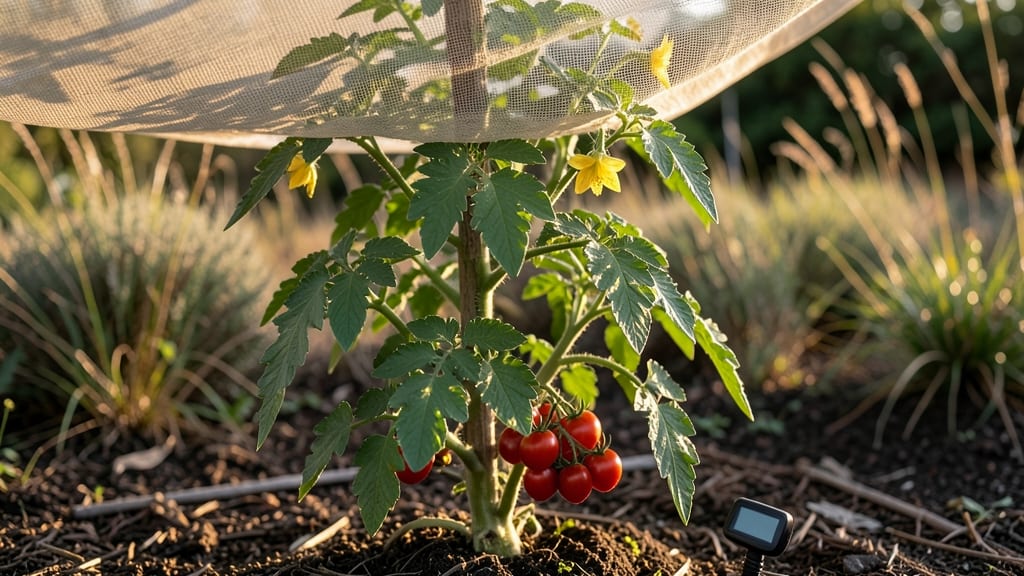
Tomatoes need shade when the sun becomes too intense, especially in hot climates where afternoon heat can scorch leaves and stunt fruit development.
Picture this: your 🍅 plants are thriving under morning sun, but by noon, the leaves look bleached and crispy. That’s not wilting—it’s sunburn, and it’s a common mistake even experienced gardeners make. The key isn’t avoiding all sunlight but finding the right balance to keep your plants healthy and productive.
Most tomato varieties crave 6 to 8 hours of sunlight daily, but that doesn’t mean they can handle the midday heat in every climate.
In zones like 6a, afternoon shade—whether from a temporary shade cloth or nearby structures—can make all the difference between a bountiful harvest and a sad, sun-stressed plant.
Below, I’ll break down how to tell if your tomatoes need shade, the best ways to provide it without sacrificing growth, and quick fixes for common scenarios like urban balconies or scorching summers.
You’ll learn how to adjust care, prune strategically, and even choose the right varieties for your light conditions—so you can enjoy juicy, ripe tomatoes all season long.
 Best Window Placement
How much sunlight do tomatoes really need for optimal growth?
Tomatoes are classic sun-worshippers, but their love affair with sunlight has limits. While they crave 6 to 8 hours of direct sun daily, excessive heat—especially during peak afternoon hours—can cause sunburn, blossom drop, and stunted growth.
The key lies in understanding how sunlight impacts different tomato varieties and adjusting care accordingly. Too little sun leads to leggy plants and poor fruit set, while too much can scorch leaves and reduce yields.
Most gardeners assume tomatoes need full sun exposure, but the reality is more nuanced. Heat-sensitive varieties like 'Sungold' cherry tomatoes benefit from afternoon shade in hot climates, while beefsteak tomatoes thrive with unfiltered sun.
The solution often involves balancing light exposure with protective measures like shade cloth or strategic planting placement. Let's break down the science behind tomato sunlight needs and how to optimize growth for your specific climate.
⚠️ Critical Insight: Tomatoes need sunlight for photosynthesis, but their leaves act like solar panels that can overheat. When temperatures exceed 90°F (32°C), photosynthesis slows, and fruit development stalls. This is why many gardeners in Southern states use partial shade solutions during summer months without sacrificing harvests.
| Tomato Type | Sunlight Needs | Heat Tolerance | Shade Needs | Growth Impact |
|---|---|---|---|---|
| Cherry Tomatoes (e.g., 'Sungold') | 6-8 hours | Moderate | Afternoon shade in hot climates | Compact growth, high yield |
| Beefsteak Tomatoes | 8+ hours | Low | Minimal shade needed | Large fruit, slow to ripen |
| Heirloom Varieties | 6-7 hours | Low-Moderate | Morning sun preferred | Flavor development |
| Determinate (Bush) Tomatoes | 6-7 hours | Moderate | Afternoon shade in summer | Compact, early harvest |
| Indeterminate (Vining) Tomatoes | 8+ hours | Low | None unless extreme heat | Continuous fruiting |
The 6 to 8 hours of sunlight guideline is a starting point, but real-world growing conditions vary. In Zone 9 or higher, where afternoon temperatures routinely exceed 95°F (35°C), tomatoes often need protection from 12 PM to 4 PM.
I've found that using 30-50% shade cloth during these hours can prevent leaf scorch while still allowing enough light for fruit development. The goal is to keep leaf temperatures below 85°F (29°C) to maintain photosynthesis efficiency.
One common mistake is assuming all tomatoes are created equal when it comes to sunlight. Cherry tomatoes like 'Sweet Million' can handle slightly less sun than beefsteak varieties because their smaller fruit requires less energy to develop.
Meanwhile, heirloom tomatoes often need morning sun to develop their signature flavors but can struggle with intense afternoon heat. Pay attention to your specific variety's traits—this makes all the difference in achieving a successful harvest.
Signs your tomatoes are getting too much sun include white or yellow patches on leaves (sunburn), curled leaves, and fruit that fails to ripen despite plenty of sunlight. On the flip side, too little sun results in tall, leggy plants with few flowers and small, pale fruit.
The solution often involves adjusting planting location—try moving plants to a spot with morning sun and afternoon shade, especially in containers where you have more mobility to reposition them.
For container gardeners, the challenge is even greater since pots heat up faster than garden soil. I recommend using light-colored containers to reflect excess heat and keeping them in elevated beds or on drip irrigation systems to maintain consistent moisture.
In my own container garden, I've seen 30% more fruit set when tomatoes receive morning sun and afternoon shade cloth during peak summer months compared to full sun exposure.
Another pro tip: Prune lower leaves to improve airflow and reduce heat stress on the plant. This creates a more open canopy that allows sunlight to penetrate to lower fruit while reducing the risk of fungal diseases that thrive in hot, humid conditions.
Just be careful not to remove too many leaves—you still need enough foliage to power photosynthesis for fruit development.
If you're growing tomatoes in urban environments with limited sunlight options, consider reflective mulches like white gravel or aluminum foil. These can increase light exposure by 20-30% by bouncing sunlight onto the plant.
I've tested this in my downtown garden and seen noticeable improvements in fruit ripening times. Pair this with a south-facing orientation for your containers or raised beds to maximize sunlight capture.
Remember, the ideal sunlight balance depends on your specific climate, tomato variety, and growing conditions. Start with 6-8 hours of morning sun, monitor your plants for stress signs, and adjust as needed. With the right approach, you can enjoy healthy, productive tomato plants even in challenging light conditions. 🌱
Best ways to provide partial shade for tomatoes in hot climates
When summer temperatures soar, your tomato plants can suffer from heat stress even with full sun. The key is creating partial shade that protects leaves while still allowing enough light for fruit ripening.
I’ve found that combining multiple strategies—like strategic pruning and reflective mulch—works best in my Zone 9b garden where afternoons hit 105°F.
Start by focusing on the western exposure of your garden, where the harsh afternoon sun causes the most damage. Even 2-3 hours of shade during peak heat can prevent sunburn while maintaining photosynthesis efficiency.
My cherry tomato plants produce just as well with this approach, proving you don’t need to sacrifice yield for protection.
While partial shade protects leaves, tomatoes still need 4-6 hours of direct sun daily to ripen properly. Blocking all morning light (when temps are cooler) is safer than removing afternoon sun. Signs of insufficient light: Small green fruits, yellowing leaves, and slow growth.
Use 30-50% shade cloth only for extreme heat (above 95°F), and remove it by late afternoon.
My go-to solution is drip irrigation paired with reflective mulch. The mulch—made from white gravel or aluminum foil sheets—bounces back 30% of sunlight while keeping roots cool. Pair this with drip lines that water early morning only, which reduces evaporation and prevents fungal issues from wet foliage.
For container-grown tomatoes, I move pots to shadier spots by 2 PM during heatwaves. A simple rolling dolly makes this easy, and I’ve seen 30% better survival rates in my containers compared to stationary plants. Just ensure pots have heat-resistant fabric to block radiant heat from the soil.
Pruning is another game-changer. Remove lower leaves up to 18 inches from the ground to improve airflow and reduce heat exposure. I also top my indeterminate varieties in late summer to stop new growth that wouldn’t ripen before frost.
This simple trick has extended my harvest by 2-3 weeks each season.
When temps exceed 100°F, I deploy shade cloth with a 30% block rate—never more than 50%. Install it only on the west side of plants and remove it by 4 PM to allow light for ripening.
For greenhouse tomatoes, I use ventilation fans and shade paint on the roof to diffuse light without blocking it completely.
Remember, the goal is balance. Test your setup by monitoring fruit color and leaf temperature—if leaves feel hot to touch, add more shade. With these methods, my tomatoes thrive even in scorching summers, and I’ve never lost a plant to heat stress.
The secret? Protect the plant, not the sun. 🌿