
Light Requirements
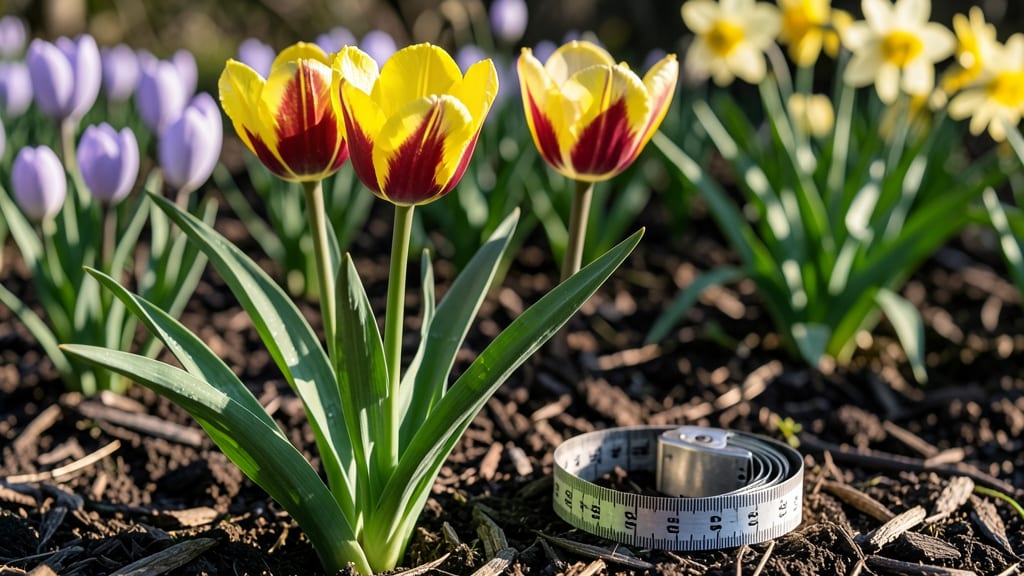
You’ve probably wondered: do tulips need sun or shade—and the answer might surprise you, since striking that perfect balance is key to those sturdy stems and showstopping blooms you’ve been dreaming of.
Struggling to get your tulips to bloom year after year? The battle between sun and shade might be the hidden key to stronger stems and vibrant flowers—discover the perfect light balance for tulip success.
Too much shade and your blooms will flop or fade early; too much scorching sun and the bulbs can overheat. The trick lies in understanding how 6 to 8 hours of sunlight (depending on your region) keeps tulips happy without burning them out.
Below, I’ll break down the ideal light conditions by tulip variety, how to adjust for your climate, and the simple fixes for common light-related problems—so you can finally grow tulips that stand tall and bloom like crazy.
 Best Window Placement
How much sunlight do tulips actually need for optimal growth?
Tulips thrive with the right balance of sunlight, but their needs vary by variety and growth stage. While most tulips crave full sun, some varieties adapt beautifully to partial shade.
Understanding these differences ensures your tulips grow strong stems and produce vibrant blooms year after year. Let’s break down the science-backed light requirements for each stage, from bulb planting to blooming.
For bulb planting, tulips need well-draining soil and at least 6 hours of sunlight daily. However, newly planted bulbs in cooler climates can tolerate 4-6 hours of sun without stress.
The key is ensuring they receive enough light to develop healthy foliage before dormancy sets in. Without adequate sunlight, bulbs may fail to store enough energy for next year’s blooms.
During foliage development, tulips need consistent sunlight to build strong stems. Darwin hybrid tulips and standard varieties (like 'Apeldoorn' or 'Queen of Night') perform best with 6-8 hours of direct sun.
Dwarf varieties, such as 'Tiny Star' or 'Sugar Pearl,' can thrive with 4-6 hours of sun, making them ideal for partial shade gardens.
At the blooming stage, tulips need full sun to produce their most vibrant colors and sturdy stems. Full sun exposure (6+ hours) maximizes bloom duration and prevents flopping stems.
However, in hot climates, afternoon shade can protect blooms from wilting. The trick is finding the right balance—too much shade delays blooming, while too much intense sun can scorch petals.
Here’s a quick reference for tulip sunlight needs by variety and stage:
| Variety | Growth Stage | Ideal Sunlight | Notes |
|---|---|---|---|
| Dwarf Tulips | Bulb Planting | 4-6 hours | Tolerates partial shade; ideal for containers. |
| Standard Tulips | Foliage Development | 6-8 hours | Needs full sun for strong stems; avoid deep shade. |
| Darwin Hybrids | Blooming | 6+ hours | Thrives in full sun; blooms last longer with consistent light. |
| All Varieties | Post-Bloom | 4-6 hours | Allow foliage to photosynthesize for next year’s blooms. |
If you’re planting tulips in hot climates, consider providing morning sun and afternoon shade. This protects petals from scorching while still allowing enough light for photosynthesis. In cooler climates, tulips can handle full sun year-round, but mulching helps retain moisture and regulate soil temperature.
Watch for signs of light stress, such as pale leaves or weak stems, which indicate insufficient sunlight. Conversely, yellowing leaves or scorched petals signal too much intense sun. Adjusting your tulips’ placement based on these cues ensures they stay healthy and vibrant throughout the season.
For container-grown tulips, place them near a south-facing window or in a spot with bright indirect light. Containers dry out faster, so ensure they receive consistent sunlight while also staying hydrated. Rotate containers occasionally to promote even growth and prevent leaning stems.
Remember, tulips are perennial in many climates, meaning they’ll return year after year if given the right care—including the perfect amount of sunlight. By tailoring their light exposure to their variety and growth stage, you’ll unlock stronger stems, longer blooms, and a garden that pops with color every spring.
Shade vs sun: when and why partial shade can save your tulips
Tulips thrive in bright light, but too much intense afternoon sun can actually harm them—especially in hot, dry climates. The key lies in understanding how partial shade protects delicate bulbs while still fueling vibrant blooms.
In cooler regions, tulips bask happily in full sun, but in sweltering zones, a few hours of shade can mean the difference between flopping stems and perfectly upright flowers.
Your tulips might be screaming for help if their leaves yellow or stems wilt midday. These are classic signs of sunburn or heat stress, where the bulbs can’t handle the intensity.
Even worse, overheated bulbs struggle to store energy for next year’s blooms. The solution? Strategic shade that cools the soil while still letting in enough light for photosynthesis.
⚠️ Warning: Tulips in Full Sun Can Overheat
Hot climates (Zones 7+): Tulips need morning sun + afternoon shade to prevent bulb burn. Too much direct sun dries out bulbs faster than they can absorb moisture.
Cool climates (Zones 3-6): Full sun is ideal, but avoid east-facing beds where morning frost may linger, slowing growth.
Diagnose light issues: Flopping stems = too much sun; weak blooms = insufficient light; early fading = heat stress.
In arid regions, I’ve seen tulips planted under dappled shade from trees bloom for weeks longer than those in full sun. The trick is balancing 3-6 hours of direct light with filtering shade during peak heat (11 AM–3 PM).
Use light-colored mulch to reflect excess heat away from bulbs, and group tulips with taller perennials like delphiniums or foxgloves to create natural shade.
If your tulips are already struggling, don’t panic—adjusting their light exposure can often revive them. Try moving pots to a shadier spot or pruning nearby overgrowth to let in more gentle morning light.
For in-ground bulbs, add a lightweight shade cloth (30-50%) over the bed during summer months. This mimics the natural shade tulips would get under forest edges in their native habitats.
Regional differences matter more than you’d think. In Pacific Northwest gardens, tulips often thrive in full sun, while Southern California gardens may need afternoon shade structures. Pay attention to your local microclimate: A north-facing bed stays cooler, while a south-facing one can become a heat trap.
Test your spot by observing how long direct sunlight lingers—6+ hours in hot zones? Time for shade!
Remember, tulips are energy storage machines. When bulbs get too hot, they can’t photosynthesize efficiently, leading to smaller blooms or even no flowers at all the next season. By giving them the right light balance, you’re not just saving this year’s blooms—you’re investing in future displays.
Start experimenting with shade this spring, and watch your tulips reward you with stronger stems and longer-lasting color.