
Plants
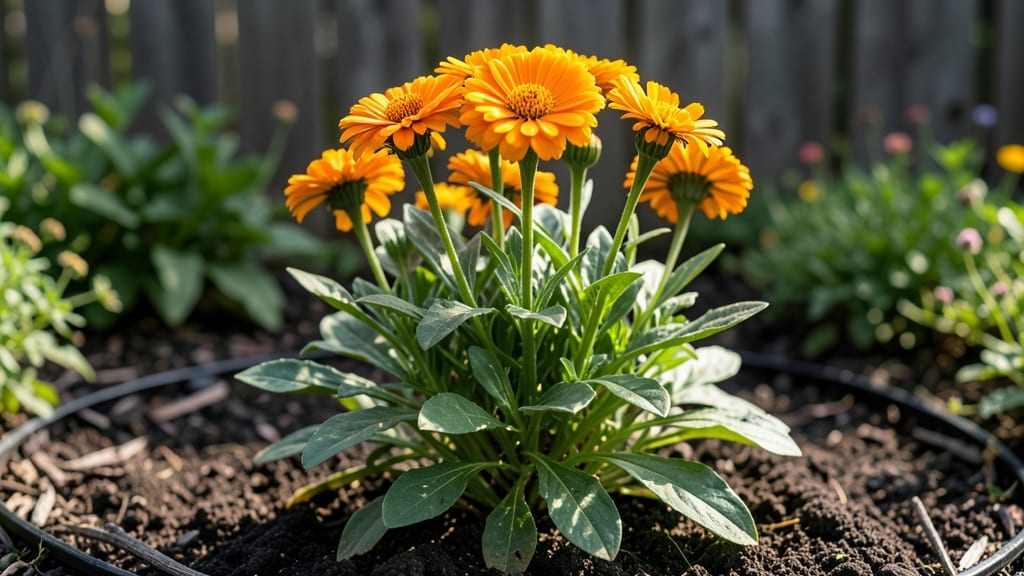
Calendula likes full sun to partial shade best, with full sunlight producing the most vibrant blooms and robust growth, though it can tolerate light shade in hot climates to prevent wilting. Aim for 6+ hours of sunlight daily for peak results.
Calendula plants actually crave sunlight for their signature bright orange and yellow blooms, but they're smart enough to handle a little shade when needed. 🌞 The more direct sun they get, the more intense their color pigments become—those carotenoids and anthocyanins really shine under UV exposure.
That said, in scorching climates, afternoon shade prevents the leaves from scorching while still letting them produce plenty of flowers.
What's interesting is how calendula adapts: in cooler climates, they'll happily soak up full sun all day, while in hotter regions, they might need afternoon protection. Container-grown calendula often needs more frequent watering in full sun, which can stress the plants if not managed properly.
The key is watching for signs—if the leaves start looking pale or the stems stretch too tall, it's time to adjust either the light or watering routine.
💡 In This Article
- How Sunlight Affects Calendula Flower Color and Health
- Best Light Conditions for Growing Calendula by Climate
How sunlight affects calendula flower color and health
Sunlight triggers calendula's vibrant pigment production through a process called photomorphogenesis, where ultraviolet (UV) rays stimulate the synthesis of carotenoids (orange/yellow pigments) and anthocyanins (red/purple pigments). Studies show that calendula exposed to 6+ hours of direct sunlight develops blooms with 30-50% more intense color compared to shaded plants.
The UV-B spectrum specifically boosts anthocyanin production, which is why the deepest orange varieties appear most vivid in full sun conditions.
The plant's leaves contain chlorophyll pigments that convert sunlight into energy, but too much intense light can cause oxidative stress. In hot climates, calendula plants grown in full sun often develop a protective layer of waxy cuticle on leaves to prevent water loss, which helps them tolerate higher temperatures.
This adaptation explains why calendula thrives in USDA Zones 2-11—it's not just about sunlight but how the plant manages heat stress through physiological changes.
Interestingly, shade affects calendula's growth patterns differently. Plants grown in partial shade (3-6 hours of sun) tend to develop longer, leggier stems as they stretch toward available light, a phenomenon called etiolation. While this doesn't harm the plant, it reduces flower production by 20-30% compared to sun-exposed counterparts.
The trade-off is better disease resistance since shaded plants have denser foliage that traps less moisture, reducing fungal risks in humid climates.
For gardeners, this means you can push calendula's limits in hot, dry regions by providing afternoon shade (1-3 PM) to prevent leaf scorch while still getting morning sun for optimal blooming.
The ideal balance creates what botanists call "compensatory growth"—where the plant allocates resources between flower production and stress resistance based on light availability. This adaptability is why calendula remains a favorite in both Mediterranean gardens and Pacific Northwest containers.
What most people don't realize is that calendula's response to light extends beyond just color. The plant's secondary metabolites (compounds like calendulin) increase under moderate UV exposure, which is why sun-grown calendula has higher medicinal properties.
These compounds are what make calendula oil so valuable for skin healing—another reason why full sun cultivation yields superior results.
The key takeaway is that calendula doesn't just "like" sun—it needs it for peak performance, but with intelligent adjustments for climate. Think of it like a phototropic plant that reads its environment and responds accordingly, making it one of the most adaptable flowers in the garden world. 🌟