
Size
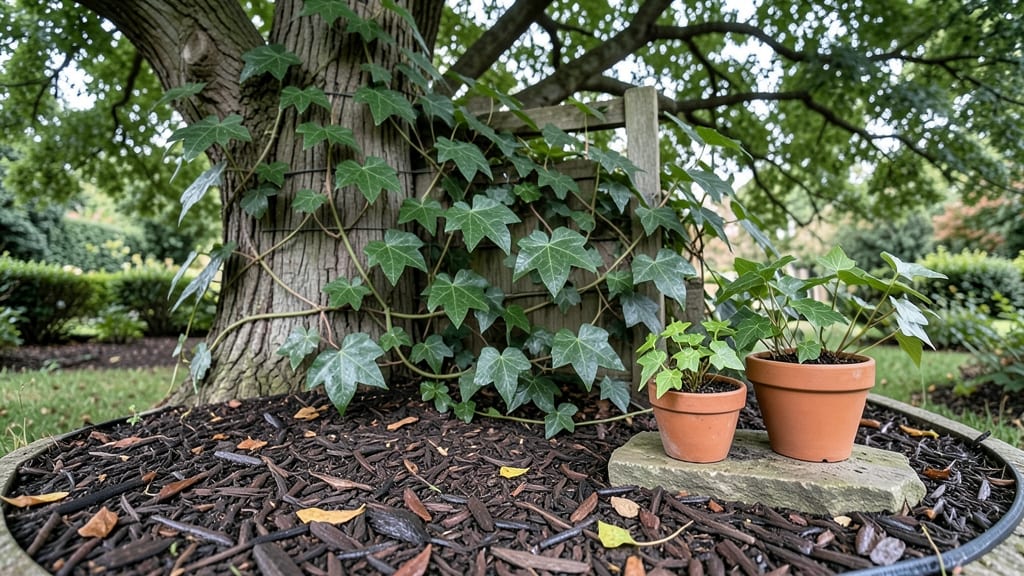
Ivy does grow in shade, thriving in dimly lit areas with varieties like English ivy and Boston ivy adapting to partial or full shade, though they may grow slower without direct sunlight. Opt for shade-tolerant types for best results in low-light spaces.
Many gardeners assume ivy needs bright sunlight, but the truth is that certain varieties actually thrive in shade—especially in areas with 6+ hours of indirect light. 🌿 The key is choosing the right species, as some like Hedera helix (English ivy) develop deeper green leaves to maximize light absorption, while others may show reduced vigor.
Shade-tolerant ivies often grow more slowly but maintain their health better in dim conditions than sun-loving plants would.
For optimal growth, focus on varieties bred for low-light environments, such as 'Glacier' ivy with its striking variegation or Hedera canariensis, which handles deeper shade better than most.
These types prioritize leaf health over rapid expansion, making them perfect for woodland gardens or north-facing walls where sunlight is scarce.
💡 In This Article
- How Shade Affects Ivy Growth and Health
- Top Shade-Loving Ivy Varieties for Gardens
How shade affects ivy growth and health
Ivy adapts to shade through a fascinating physiological process called chlorophyll adaptation. When exposed to low light, ivy leaves produce more chlorophyll to capture whatever sunlight is available, which is why shade-grown ivy often develops darker green leaves than those in full sun.
This adaptation helps the plant maintain photosynthesis, though at a reduced rate compared to sunlit conditions. The trade-off? Slower growth—typically 30-50% less vigorous than sun-exposed ivy, but with better survival rates in dim environments.
Leaf color changes are a key indicator of how well ivy handles shade. Variegated varieties like Hedera helix 'Glacier' may lose some of their white or yellow patterns in deep shade, as the plant prioritizes chlorophyll production over pigmentation.
Meanwhile, solid green types like Hedera canariensis maintain their color but grow more slowly. 🌿 The root system also adapts by spreading wider rather than deeper, seeking moisture and nutrients in the topsoil layer where light is faintest.
This horizontal growth pattern is why ivy thrives as a ground cover in shady spots.
Light intensity directly impacts ivy's growth rate and health. In partial shade (3-6 hours of sunlight daily), ivy grows at about 60% of its sun-exposed rate, while in full shade (less than 3 hours of light), growth slows to 30-40% of full sun.
However, the plant remains resilient, often developing thicker stems to support its weight. The key is moisture—shade-loving ivy needs consistent soil moisture since it can't photosynthesize as efficiently to regulate water loss through transpiration.
Different ivy species handle shade in unique ways. Hedera helix (English ivy) is the most shade-tolerant, with some cultivars like 'Needlepoint' thriving in less than 2 hours of daily light.
In contrast, Hedera canariensis (Boston ivy) prefers at least 4 hours of indirect light and may develop sparse foliage in deeper shade.
The variegated types, while stunning, are the least shade-tolerant—their white or yellow leaf sections require more light to maintain their coloration, making them better suited for dappled sunlight rather than dense shade.
One surprising benefit of shade-grown ivy is its pest resistance. With slower growth and less sap production, it's less attractive to common ivy pests like spider mites and aphids.
The trade-off is reduced flowering—ivy typically blooms less in shade, as flowers require energy that's better spent on leaf maintenance in low-light conditions. For gardeners, this means shade ivy requires less pruning but may need occasional fertilization to support its slower growth rate.